Beetroot and Cumin Fritters from Peace and Parsnips
This is a recipe taken straight from ‘Peace and Parsnips’, a nice light summer lunch:
These little fritters are bursting at the seams with flavours, and the herbaceous horseradish yoghurt tops things off very nicely. A punchy, zesty sauce is perfect with any fried food, lighting the palate up. The sweet earthiness of the beetroot and the fragrance of cumin were, very simply, made for each other. I like to use any green peas or beans for this, but the edamame probably have the edge due to their nice crunchy texture, which adds an almost nutty bite to the fritters. Use any flour you like, but I prefer to keep them gluten free. Gram (chickpea) flour would work well.
The Bits
1 large potato, scrubbed and cut into cubes
125g firm tofu, drained and well mashed
40g buckwheat or wholewheat flour
a handful of fresh mint leaves, finely chopped
zest of 1 lemon
1 tsp sea salt
¼ teaspoon freshly ground black pepper
300g beetroots, scrubbed and coarsely grated
a handful of edamame/green peas/ broad beans
1½ tsp cumin seeds, toasted and roughly ground
vegetable oil, for frying
For the garnish
1 big handful of watercress or spinach leaves
2 spring onions, thinly sliced
For the Horseradish & Dill Yoghurt
350ml thick unsweetened soya yoghurt
1 tbsp lemon juice
3 tbsp finely grated horseradish or 1½ tablespoons horseradish purée
a handful of fresh dill, finely chopped
a pinch of sea salt
freshly ground black pepper, to taste
extra virgin olive oil, for drizzling
Do It
Put the potato into a small pan, cover with water, add a pinch of salt and bring to the boil. Cook for 25 minutes, until soft. Drain in a colander, mash well and leave to cool.
For the Horseradish & Dill Yoghurt, stir all the ingredients together in a small bowl. Season and drizzle with olive oil. This can be done well in advance.
Once the potato has cooled to handling temperature, mix with the tofu, flour, mint leaves, lemon, salt and pepper. Now gently mix in the grated beetroot and peas, until all is well combined – using your hands is best. We’d like these fritters to be chunky and packed full of texture.
In a large, heavy frying pan, dry-toast your cumin seeds on a medium-low heat for a minute. They should pop and give off a lovely aroma. Put them into a pestle and mortar and bash them up a little, then stir them into the fritter mix.
In the same pan, warm ½ tablespoon of oil on a medium heat, ensuring that the base of the pan is evenly covered with a film of oil. Spoon in 2 heaped tablespoons of fritter mix per go, pressing it down a little with the back of the spoon until roughly 1cm thick. Cook for 3–4 minutes on one side and slightly less on the other. Repeat until you have a few fritters cooking at the same time, and continue to cook in batches. Drain on kitchen paper and keep them warm in a low oven.
Serve
Warm and crispy on a bed of vibrant green watercress or spinach leaves, garnished with the spring onions and with the horseradish and dill yoghurt on the side.
Portobello Pecan Burger (Original recipe from Peace and Parsnips)
This is no ordinary veggie burger, this a proper whopper! Perfect for every summer BBQ and a vegan burger for all (even rampant carnivores!)
A beast of a burger taken from ‘Peace and Parsnips’ our new vegan cookbook which is storming a technicolour, vibrant veggie, food trail around the UK at the moment. Jane and I are super chuffed with its success and so happy that people are enjoying the food and positive vibe of the book. We’ve had such a great response on The Beach House Kitchen, as well as Twitter and Facebook.
In fact, Jane and I are really getting out and about this summer and have plenty of book signings, cooking demo’s, supper clubs and festival appearances lined up. 2015 is going to be a veggie riot! The best way to keep up with all of this is on Twitter of course, but we’ll try and keep the BHK up to date and ever crammed with gorgeous vegan deliciousness.
There are a few recipes floating around the internet from Peace and Parsnips and we thought we’d share one of our fav’s with our beloved Beach Houser’s. Thanks to the good folk at the Happy Foodie for posting this originally. They also voted Peace and Parsnips in their ‘Top 5 Cookbook Debuts of 2015’ and the Beetroot Fritters in their ‘Top 5 Vegetarian Dishes of 2015’. I love these guys!!!!
If you haven’t quite got around to getting a copy of the book, we’ll be running a competition very soon, giving away a free copy. Watch this space.
So here we go, the
‘Here we have a burger that is rich, with a deep flavour from the mushrooms and miso. It is packed with heavy umami flavours, with the seaweed, pecans and miso working their potent charms. Sun-blushed tomatoes can be found in most delis nowadays and ooze fragrant tomato all over this burger. If you are struggling to find them, I know some fantastic people on the Isle of Wight who can sort you out. This burger mix will keep very well in the fridge, 5 days easy. Try making it into ‘meatballs’, with a tomato sauce and pasta. Gluten-free option: just cook 25g more rice and omit the breadcrumbs.’
Like so many vegan dishes, this burger is super delicious and super healthy. What a sensational combo!
The Bits – Makes 6–8 mammoth burgers
4 tbspolive oil
350gPortobello mushrooms, cut into cubes
1aubergine, chopped into 2cm pieces
a large pinch of sea salt and black pepper
3 tbspfresh oregano leaves or 1 teaspoon dried oregano
1onion, sliced
2celery stalks, finely diced
4cloves of garlic, peeled and crushed
20gdried seaweed, cut into very fine ribbons
175gflageolet beans, soaked overnight, then cooked with ½ teaspoon bicarbonate of soda and cooled, or 1½ x 400g tins
120gtoasted pecans
100gred or brown rice, cooked and cooled
2 heaped tbspbrown miso
1 tspbicarbonate of soda
100gfine wholewheat breadcrumbs (you can also use gluten free breadcrumbs)
For the Pumpkin wedges –
750gpumpkin, scrubbed, seeded and cut into 5cm wedges
2 tbspvegetable oil
a large pinch of sea salt
To serve –
8seeded wholewheat rolls, halved (for gluen-free aternative, use your favourite GF bread)
1big handful sun-blushed tomatoes
buttery lettuce leaves (something like oak-leaf)
Do It
To make the pumpkin wedges, preheat the oven to 180°C/gas mark 4. Put the pumpkin on a baking tray, toss with the oil and salt, and roast for 30 minutes, turning over once. The pumpkin should be tender and nicely coloured.
Heat 3 tablespoons of oil in a large, heavy frying pan on a medium-low heat and add the mushrooms and aubergines. Cook for 10 minutes, then add the salt and pepper. Cook for a further 5 minutes, until the aubergine is soft. Stir in the oregano leaves and set aside in a bowl.
In the same pan, heat 1 tablespoon of oil on a medium-high heat and cook the onion and celery for 5 minutes. Add the garlic and seaweed and cook for another 2 minutes, then remove from the heat and combine with the aubergines and mushrooms.
In a food processor, combine half the beans, pecans, aubergine mix and rice with the miso, sifting in the bicarbonate of soda. Blitz to a thick paste. Add the breadcrumbs and the rest of the beans, rice and aubergine mix, along with the rest of the pecans. Pulse until a chunky mix forms, coarse in texture but finely chopped. Check the seasoning – the miso is quite salty. Transfer the mix to a bowl, combining it all well with your hands. Form the mix into 6–8 fat burgers. Put them into the fridge for 30 minutes to firm up.
Pop an ovenproof frying pan on a medium-high heat and lightly oil it. Cook each burger for 5 minutes per side, until beautifully light brown. If they lose shape and are unruly in the pan, press them down using the back of a spatula. Veggie burgers are sensitive and need to be handled with soft hands (and spatulas).
Put all the burgers into a warm oven, 150°C/gas mark 2, for 10 minutes to finish cooking. Cut your bread rolls in half and put them into the warm oven for 5 minutes.
Serve
On the base of each warm roll, scatter sun-blushed tomatoes (with a little of their oil) and top with a lettuce leaf, the burger and a good topping of macadamia tarragon aioli (recipe in the book). With the warm pumpkin wedges.
Foodie Fact
Pecans are a real treat for us. We don’t use them all the time but when we do, we make them count! Nuts are little nutritional powerhouses, packed with all kinds of anti-oxidants and friendly fats. A handful a day, keeps the grim reaper at bay! In fact, I write a whole section about NUTS in Peace and Parsnips called ‘Nuts about Nuts’!
Pecans are especially nutritious, loads of good mono-unsaturated fats and very high in Vitamin E and some important vitamin B’s. They also happen to be loaded with all sorts of minerals.
Here’s my best attempt yet at gluten free cookies. There are many gluten free folk attending retreats at Trigonos (where I cook). The people attending last weeks mindfulness course loved these cookies and to be honest, there was very little difference in texture between the normal cookies that I made. Chewy and gooey in the middle, with plenty of chunks of melted chocolate. Quite a treat!
I use trail mix in these cookies, but you can substitute any dried fruits and nuts you like. Xantham gum is something that most gluten free cooks will have around, it really helps to bind GF baked goods together. I don’t normally use it in the BHK, as it is like gluten in being hard to digest. The difference in texture though is pronounced. I never thought I’d say this, but Xantham has changed the way I cookie!
Simple, crispy, gooey (gluten free) cookies, we salute you!!!
Brazil Nut and Chocolate Spelt Cookies (Original recipe from Peace and Parsnips)
The Bits – Makes 8 cookies
Dry
1oog gluten free white flour mix (Doves Farm do a good one)
30g brown rice flour
1/2 teas ground cinnamon
100g unrefined brown sugar
1/2 teas g.f. bicarb of soda
3/4 teas g.f. baking powder
Large pinch salt
2/3 teas xantham gum
Wet
90ml vegetable oil
1/2 teas vanilla extract
30ml water (splash more if needed)
1 big handful vegan dark chocolate (roughly chopped into chunks)
1 big handful of trail mix (or mixed dried fruits and nuts of your choice)
Do It
Preheat an oven to 180oc/ Gas Mark 4.
Sift all the dry bits into a large bowl. Mix all the wet together in a measuring jug, make a well in the centre of the dry bits and pour in the wet, stirring as you go. Mix in the chocolate and trail mix. Things should come together, but still be a touch powdery (nothing like a cake mix for example). Add a splash more water if needed to bind things together.
Make small balls, smaller than a squash ball, in your hands. Press in some of the goodies (choc and nut) and place on a lightly oiled baking tray. Press them down a little with your fingers to form a fat disc, they’ll expand in the oven, bear this in mind when spacing them out. Leave a 5cm gap around each cookie.
Pop in the oven and bake for 11-13 minutes. Ovens vary, if its a fan oven, check after 11, otherwise 13 minutes is good. A little overbaking will make them crispier, but I like them gooey in the middle. Remember, cookies are done when they have a crisp coat around them, they will be soft, but firm up on the cooling rack.
Leave the cookies to cool on the tray for a couple of minutes and them transfer carefully to a wire cooling rack. Eat as soon as cool enough to scoff!
Serve
Have you ever made a cookie ice cream sandwich? Go for it, especially when they’re hot. Place on cookie into a bowl, spoon over some ice cream and place the other cookie on top. WOW!
Foodie Fact
Eating small quantities of dark chocolate daily can help the heart, assisting blood flow. It also contains several compounds that make you feel good, even the chemical that is released when we fall in love! Flavanoids are also present that help to regulate blood sugar and it is packed with anti oxidants. These are just a scattering of the incredible benefits of our favourite sweet nibble.
Working on the land yesterday at Trigonos. Planting some Crown Prince Squash, one of my favourite varities.
Roast Squash and Pepper Soup with Bharat – bowls of sun in The Beach House Kitchen
I’m conscious that on a day like today, Monday, time is more precious than at other times of the week. I am very much, in the same boat. I made tonight’s soup as easy as possible, but did not want to compromise on deliciousness! The roasting part here adds unmistakeable sweetness and the bharat brings a spicy edge to the soup.
You may ask the obvious question, “but Lee, you are in a hurry and yet you take pictures of your food and write a blog piece?!” It does seem like a strange way to behave, I admit this, but such is the ways of the food blogger. We are those people in the restaurants who unabashedly whip out their camera when presented with a particularly nice slice of cake while the rest of the table pretend they aren’t with you. Its a passion/ affliction. Once you blog, you can’t stop……
We are in the middle of some very stormy and chilly days up here in the Beach House and soups seems like a very good idea. I love the bright colour of this soup, with added radiance from the turmeric. Its sunshine in a bowl and is a real lift when the sun is hiding behind the clouds.
We’ve been celebrating a little after the release of ‘Peace & Parsnips’. Jane and I took a trip down to Criccieth, a local beach and went down to Black Rock Sands for a proper bag of chips. There is an amazing chippy in Porthmadog that we frequent on rare occasions. Chips = celebration! We sat on the flat sands, a rare place where you can actually drive cars around on a beach without the imminent danger of sinking like a stone. Black Rock Sands reminds me of beaches in Australia, or what I imagine the tip of South Africa to look like. You can look out over maybe a kilometre of flat sand before you see the sea. A truly beautiful place to scoff chips!
Us. Catching some well earned rays on Criccieth beach
BAHARAT
Is basically a spice mix from the Middle East, as well as Turkey and Iran. Although the ingredients may vary, some usual suspects are: black pepper, cardamom seeds, cassia cark, nutmeg, chillies, cumin seeds, coriander seeds. The baharat we use is very much a Middle Eastern style, in Turkey they add a lot of mint and in Tunisia they make a mix with rose petals, cinnamon and black pepper. There are an almost infinite number of combinations of spice mixes, but most of the baharat sold in large shops in the UK is similar. More a warming spice mix than a turmeric or chilli driven one.
If you don’t have any Baharat around the kitchen, use the same amount of Rae El Hanout or Garam Masala. They will add a similar spice kick to the background of the sweet peppers and squash.
This soup is as easy as roasting a tray of very roughly chopped vegetables and blending.
The Bits – For 4 small bowls
1 medium butternut squash – 1kg (cut into 1/4 lengthways)
1 head garlic (skins on)
2 yellow peppers (deseeded)
1 large onion (sliced)
3 teas bharat
2 teas turmeric
2-3 teas salt
Olive oil (for roasting and frying)
Do It
Preheat oven to 190oC.
Grab a large baking tray and rub a little oil over the squash and peppers. Pop them in the oven for 20 minutes. Rub a little oil into the garlic cloves and take the tray out of the oven and scatter the garlic cloves onto the tray. Pop back into the oven and roast for another 15 minutes. Take the garlic and pepper out, check to see if the squash is nice and soft, if not, put back in for another 10 minutes. Set the garlic and pepper aside to cool, do the same with the squash once it is lovely and softened.
In a large sauce pan, add 1 tbs olive oil and fry the onion on a medium heat for 6 minutes, until translucent and soft. While the onions are on, peel the skin off your peppers, garlic and squash. Chop them all roughly. Add the spices to your soft onions and stir for a minute, then add the squash etc. Pour over 1 ltr of hot water and check seasoning (add salt as needed). Leave it to simmer for 5 minutes before blending the soup with a stick blender or using a food processor (leave the soup to cool a little beforehand for this).
Roasted Squash and Pepper Soup with Baharat
Serve
A nice idea, for added richness is to stir some tahini into the soup. Tahini is also packed with goodness, so nutritionally the soup becomes a real shiner. If you are going all out tonight (it is a Monday after all!!!) chop up some coriander leaves and finish with little sprinkle of baharat.
Foodie Fact
Butternut squash is one of the healthiest veggies you can eat. It is much lower in calories than potato and leaves you feeling nice and full after eating it. Calories are of course only one part of the dietary picture, counting calories is definitely not our thing (big bags of chips and all!) You can tell by the colour that its loaded with some good carotenes, which are ace anti-oxidants. Squash is also good for vitamin C and is high in dietary fibre.
Our car off in the distance at Black Rock Sands, North Wales And who can forget……the glorious CHIPS!
Falafels are a simple ‘go to’ in any kitchen, the addition of fava beans changes things up a bit. Chickpeas are awesome, but fava beans are at least an equal. They also happen to be indigenous to the UK.
Anyone can eat falafels (almost), no matter what the food allergy or persuasion (carnivore or otherwise) EVERYONE loves a well crafted falafel with lashing of creamy yoghurt and preferably a warm wrap somewhere on the scene. They are almost always gluten free, dairy free, almost saturated fat free (depending on the oil usage) but packed with the flavours and textures that we adore.
The idea for Egyptian falafels made with fava beans came from one of my old bosses in London, Henry Dimbleby, and his ever tasty Guardian column. I used to work with Henry at Leon Restaurants and had a ball down there in the big smoke making healthy food for happy people. His article claims ‘the worlds best falafel recipe comes from Egypt’, something I whole heartedly agree with. I had some magical falafels over there in Cairo and surround, having said that, I am yet to visit Lebanon or Israel. There seems to be alot of competition in the falafel/ hummus stakes in this whole region. I have heard many a heated debate between various nations over bragging rights to the worlds finest chickpea creations.
Henry’s article is a quest to find the perfect falafel recipe and shows a great deal of passion for the subject. I remember Leon’s sweet potato falafels bringing about a u-turn in my falafel habits and opinion. I had once thought them late night, bland and stodgy, kebab shop fodder. I came to realise that a day without a Leon sweet potato falafel, was a day wasted!
The great British outdoors – Up a Welsh hill, Snowdonia
FAVA BEANS – AS BRITISH AS A BEAN CAN BE
Really, they are. Fava beans have been growing in the UK since the iron age and would have probably been made into bread back then. Something I’d be interested to try out. They are Britain’s original bean. Its strange how these things just come up, but I was in our local shop and saw a new brand Hodmedod’s, I liked the look of them and noticed they were selling Black Badger Peas. Intriguing stuff. I bought some and loved their full flavour (like a big pigeon pea, normally used in Caribbean cooking). British peas and beans. How marvelous is that! I then noticed that they do split and whole fava beans and this recipe had to be made.
Split fava beans are perfect in in stews, dips, curries and can easily be made into a very flavourful daal. They are like lentils in many ways, they don’t need soaking which is perfect if you’re in a wee rush. Hodmedod’s have got some creative, global recipes on their site HERE.
Henry’s original recipe is brilliant and very easy to make. I, of course, had a little play and added a few tantalising twist and tasty turns. I’ve also toned down the oil usage to make them even shinier and healthy. Hodmedod’s have a really nice looking Egyptian Falafel recipe HERE.
Plenty of variations to try, but I think falafels are so easy and delicious, once you’ve made one batch, you’ll be hooked and want to try them all!
The falafels may seem a little crumbly when yo handle them, but they firm up in the fridge and pan. The ground coriander and gram flour help with this. Just “try a little tendernessssssssssss……”
The Bits – For 12 falafels
250g fava beans (soaked overnight, or at least 6 hours, in loads of water)
2 tbs olive oil
1 onion (finely diced)
1 carrot (grated)
1 ½ teas cumin seeds
2 ½ teas ground coriander
1 teas turmeric
1 teas dried mint
½ teas bicarb soda
2 tbs gram (chickpea) flour
1 big handful fresh coriander (soft stems and all – finely diced)
Salt and pepper (to taste)
Coating
2-3 tbs sesame seeds
Extra oil for frying
Cucumber Yoghurt Sauce
6 tbs soya yoghurt
1/2 medium cucumber (grated)
½ lemon (zest)
1 tbs lemon juice
Pinch of sea salt
½ handful fresh mint leaves (finely sliced)
The carrot mix with all those gorgeous, spicy aromas….
Do It
In a large frying pan, on a medium heat, add the oil and warm, followed by the cumin seeds. Allow them to fry for 30 seconds and then add the onions and carrot. Stir and cook for 6-7 minutes, until they are soft and just getting caramelised. Add the ground coriander (not fresh) and turmeric to the pan, stir in and warm it all through for a minute. Take off the heat and leave to settle and cool a little.
Once cooled, add the carrot mix and the rest of the falafel ingredients to a food processor/ blender and blitz until almost smooth, but still ‘grainy’ and coarse. This will take a few goes, you will need to scrape down the side of your blender with a spatula.
Scatter the sesame seeds onto one plate and have another clean plate ready. Using your hands, make small, golf ball sized globes of falafel. Press them gently down into the sesame seeds, flip them over and get a decent coating. Pop the finished falafel on your clean plate and continue. Once the mix is finished, cover the falafels and place them in a fridge for an hour or more.
Mix all the yoghurt ingredients together in a nice bowl. Check seasoning. Jane loves lemon, so we are liberal with citrus.
Preheat an oven on a low heat (160oC) and line a baking tray with parchment and pop it in to warm.
Clean out your pan and warm on medium heat, then add roughly 1 tbs of olive oil. In a large frying pan, you should be able to fit 5-6 falafels comfortably. Don’t over fill or it becomes fiddly. Fry the falafels for 2-3 minutes each side. Using a flat spatula, loosen the falafels a little and flip them over. They will firm up in the pan, but need be handled gently. Place the falafels onto the warm baking tray and keep warm in the oven. Once the batches are finished, leave the falafels in the oven to warm through for 5 minutes. Moderate the amount of oil in your pan, you will need to add a bit more as the falafels love soaking it up.
Playing the Preserved Lemon waiting game (they take at least four weeks)
Serve
We made some Peanut and Lime Hummus (recipe coming very soon) and a big salad to accompany these lovelies. A warm flat bread would also be nice. We would serve this with some of our Preserved Lemons, but they need another week.
Egyptian Fava Bean Falafels with Cucumber and Lemon Yoghurt (vegan and gluten free)
Foodie Fact
Fava beans are used all over the world in dishes, especially in the countries around the Med. For some reason, they are not so popular in Britain, but I think that is going to change. Fava beans are more British than baked beans!!!
When legumes grow, they actually enrich the soil with nitrogen, fixing it. This means that they actually benefit the fertility of the soil as opposed to drain it. Legumes and pulses are incredible in that respect.
STOP THE PRESS – I’ve just read that Hodmedod’s are supplying British grown Quinoa. HOORAH! Quinoa is back on the Beach House menu.
(Just for the record, we only promote products we really like and will say if anyone has sent us freebies. Hodmedod’s, we just love the whole ethos and have received no bean-based bribes to promote their brilliant pulses. We want to support the good guys ’tis all!)
Mighty MUFF – Blueberry and Hemp Muffin (vegan/ gluten free)
I love cooking with vegan and gluten free food. It’s a challenge. How can we make a muffin taste, look, feel as good as a ‘normal’ muffin without the things that can muddle our bodies. So many people are giving gluten a miss, it seems like a good idea as many people struggle with it. I love bread so I made a tasty loaf the other day using predominately ground sunflower seeds, it worked a treat. I feel a shift, things are changing in the foundations of how we eat. The next generational food norms will be very different indeed. Gluten free and vegan will be as normal as fish and chips or black forest gateau.
I cook in a place called Trigonos, an idyllic retreat centre and organic veg farm. It’s a blessing. There I encounter all sorts of dietary requirements, every group that I cook for has a long list of specific dietary needs. The most regular are vegan and gluten free (we are a pure veggie place), but there are so many people out there waking up to food intolerances and how they can hamper our wellbeing. We are all unique and beautifully different, what works for me, might not work for you. But eating less gluten and animal-based saturated fat can only be a good thing for our health. That is a widely held, universal, food understanding. So these muffins are nice….. They can be enjoyed by almost anyone and there is no sacrifice in the taste or treat departments.
Nobody who eats these muffins would think they are vegan or gluten free. They are really quite healthy but very delicious. Any berry can be used here, depending on the season. We managed to get some blueberries and I admit, they are one of my favourites. The berries sort of explode in the muffins, creating lovely fruit pockets of happiness. There is plenty of richness from the coconut oil and a little bit of bite from the polenta flour (very fine polenta that is, not the course grain stuff we use normally).
GLUTEN FREE BEHAVIOUR
We tend to make our own gluten free flour mixes, we still haven’t got round to making the definitive Beach House Bread Mix. But its coming. Banana helps with the binding here, but you can use stewed apple instead. This is also very nice and works well when using blackberries in this recipe. We’ll be doing his later this year for sure. The brambles are already winding their wicked way all over the back of the garden and in Autumn, it will be an oasis for big, juicy blackberries.
FLAX EGG?(!)
Making flax eggs is so easy. Grab some flax/ linseeds and grinder them in a coffee grinder, blender, something like that. You are looking for a fine powder, but a few whole seeds is absolutely fine. You can also buy ground flax seeds or flax meal. This can then be added to all baking shenanigans in order to add a very nutritious binding agent. In the absence of eggs, I find them the best. They even have a vaguely egg-like texture, very gelatinous and gloopy. For 1 tbs of ground flax, I add 1 1/2 – 2 tbs water, stir and leave for a short time. You’ll see the change very quickly. Ground flax is also an amazing way of adding nutrition to your morning cereal, yoghurt or smoothie. Ground flax also helps to make a substantial and chewy loaf of bread or pizza crust. Fibre is so, so important to a healthy diet. It cleans you out in more ways that one!!!!
I love using hemp seeds although they are a little rare. You could try sunflower seeds here, but the hemp seeds (hulled ones anyway) are so creamy and light. They seem to blend into the muffin adding richness. Sunflower seeds will be more of an obvious presence. Tasty non-the-less. Hemp is a wonderful plant and is becoming more and more popular for its uses in making fabric and even paper.
On the beach, with a shell
What with promoting our new book PEACE & PARSNIPS (out tomorrow I may add) and cooking, cooking, cooking…..there seems little time to squeeze in blogging, let alone glorious beach walks. Which is a shame. We will hopefully get some more of our recipes up on the B.H.K very soon. It is almost impossible to keep up. I love writing about food, but I must say, I love cooking much, much more. I’m an out of balance food blogger. Forgive me!!!! I just bought a new computer to replace my ancient little Filipino net book gadget, hopefully this will make me vastly more efficient. You never know!
These muffins are light and fruity…..healthy and delicious….give them a whirl!! All of your guilt-free dessert dreams are coming true….right here:
Fresh from the oven- THE SMELL! THE AROMA! (yum) PS – I ran out of mix so the top left muff is a bit wee
The Bits – Makes 6 muffins
50g gluten-free flour mix (brown is nice)
50g rice flour
25g polenta flour (not coarse polenta, it should be fine like flour)
(or try 125g of a pre-mixed gluten free flour)
30g hulled hemp seeds
2 tbs coconut oil (softened)
½ teas g.f. bicarb soda
½ teas apple cider vinegar
¼ teas sea salt
1 teas vanilla extract
1 banana (mashed)
4-6 tbs rice syrup (depending on how sweet your tooth is; I’m a 3 and Jane’s an 8 – on this scale)
30-50ml soya milk
1 flax egg (1 tbs ground flax seeds mixed with 1 1/2 tbs water and left for 15 minutes)
100g blueberries (or berry of your choice)
Do It
Set the soya milk aside and then mix together the dry and wet ingredients separately. Then mix both together until just combined, adding the soya milk as need. The batter should be sticky, but not wet. Gently stir in the blueberries without popping any if poss (no drama if you do, they will have cool purple streaks).
Spoon the batter into oiled and lined muffin trays. Use muffins cases if you like, I prefer cutting out squares of baking parchment, oiling them and using them. They look far cooler. Bake for 20 minutes or until a toothpick test comes out clean and not sticky. Remember, a little moisture in a muffin is a good thing of course, over baking them would be a shame. Use your muffin-sense here.
Leave to cool in the tray for 20 minutes before enjoying liberally with mugs of your favourite chai.
Blueberry and Hemp Seed Muffin – Difficult to be this close without taking a bite…..
Foodie Fact – Flax Seeds
Flax seeds contain soluble fibre, a gel forming substance called ‘mucilage’. This means that they are brilliant for slowing down the release of sugars into our bodies, helping us absorb more nutrients from our foods and resulting in us being fuller for longer. 2 tbs of flax seeds contains 4 grams of dietary fibre.
Flax seeds are also the very best source of lignans, which provide the body with anti-oxidant and fibre-like benefits. In fact, flax seeds are actually higher in anti-oxidants (polyphenols) than blueberries! Not bad for a little grass seed.
Flax seeds are also ridiculously high in Omega 3 fatty acids, probably the highest to be found in nature. Omega 3’s help to keep our hearts healthy.
Only a couple of days until the BIG DAY!!!!! No, I’m not talking about the election (which surely must be a little refreshing), I’m talking ‘PEACE AND PARSNIPS‘!!!!!!!
‘Happy, healthy and hearty – it’s time to cook vegan…discover the delights of eating meat- and diary-free recipes, bursting with vitality and taste. Using fresh produce, Lee celebrates this incredibly healthy way of eating through recipes that are varied, nutritious and utterly delicious. From curries, burgers and bakes to show-stoppers….’
Preparations are almost complete, like Christmas Day, all of the vegan elves and parsnip fairies have been working overtime to get the book ready and on Thursday, all the good veggie (and non veggie) boys and girls of the world will wake to a massive slice of vegan deliciousness. It’s a real tome, over 350 pages packed with recipes and gorgeous pictures of North Wales, many of which are gluten free (or with options for GF). Its the full montilado!!!!
Here’s a little look behind the scenes of the shoot where I’m trying to keep my cool in the middle of a heatwave and full on cookathon:
Here is something we found growing under our apple tree, with a few bits from the rockeries and surround. Free food! And highly nutritious leaves. Like gifts from the ground, they come to grace our garden with edible happiness.
This may well be rabbit food to some, but these leaves are actually nutritional powerhouses. They are full of calcium, protein and iron, minerals and also have bags of vitamins. The only thing they really lack is carbs (but some people quite like the idea of that anyway). Gorillas, elephants, buffaloes, the strongest creatures on the planet eat leaves. Not just for rabbits! Leaves (with a nice dressing) are meal in themselves.
FORAGING
Primroses are everywhere at the moment, and although they are not particularly nutritious, they make salads look amazing. Primroses carpet our garden every spring, so when we found out we could eat them, it was a good moment. I am thinking Primrose Tempura soon?
Dandelions are best in spring and early summer and the leaves should be picked preferably before there is a flower. The leaves are really bitter when the flowers have bloomed.
Sorrel is a real trooper and thrives like a weed. It has such a distinct flavour, like a very bitter apple, that is best used sparingly in a salad. Just one leaf per mouthful will give you a really pleasing zing! Sorrel grows everywhere and is easily harvested, the leaves are very distinct and even older leaves taste lovely.
Always forage in areas that are away from industrial agriculture, train lines….generally clean and natural spaces. Nasty chemicals, pesticides etc can be present on plants close to these places. Remember that if industrial waste etc has been dumped in the ground, pollutants will be absorbed by the ground (and subsequently the plants).
THE BEACH HOUSE GARDEN
The weather has actually been quite nice recently, so we’ve been out in the garden getting our hands mucky. The veg patches are ready for action and all of our seeds are in the planter of strooned around the house. We are growing all sorts this year; a few varieties of beetroot, fennel, salad leaves, rocket, cauliflower, kale, chard, cabbage….radish. We’ll see what pops up! No potatoes this year as we had a bit of blight last year and think its best to leave this fallow for a while.
Our fruit trees seem to have had a good winter and our new rowan is hanging in their. Raspberries have blossomed and we’re looking forward to them! Also our wold strawberries are looking mighty fine. The herb garden has taken a wallop and will need some tlc. Rosemary is indestructible! May is my birthday month, so we have a new tree lined up. A Snowdon Pear Tree, the fruit has dark green skin with a light pink centre and a feint fennel taste. Wow!
Weeding the veg patch, the seeds are in, we are going for many varieties this year. Too ambitious?!
Our friend Shira is the real inspiration for this salad. She has been going through our foraging books and identifying all the local plants that we can munch on. There are so many and its only April/ May. We are looking forward to raiding the hedgrerows and fields this year and seeing what we can find. Plenty of sloe gin, blackberry whiskey, rosehip cordial, elderberry jam, elderflower cordial etc. Not to mention much fun and games with gooseberries. We will hopefully sniff out some edible mushrooms this year, we’ve been tipped off about a special little place. Maybe a cep or two for the pot?!
We love this time of year, nature is waking up and the earth is warm again.
The Bits – For 4 (as a side salad)
2 handfuls primrose flowers
3 handfuls sorrel
3 handfuls dandelion leaves
4 handfuls young spinach leaves
2 handfuls red cabbage (grated)
Apple and Mustard Dressing
5 tbs extra virgin olive oil
1 tbs dijon mustard
1 1/2 tbs apple juice concentrate
2 tbs apple cider vinegar
1 clove garlic (crushed)
sea salt and pepper (to taste)
Do It
Wash and drain the leaves well (use a salad spinner for best results). Gently toss all the leaves together and arrange on a nice big plate. Scatter the flowers over the salad in a pleasing design.
Whisk together the dressing ingredients in a small bowl.
Foragers Salad
Serve
With a small jug of dressing on the side, some fresh bread and maybe something like bean puree/ hummus would be nice.
Foodie Fact
Dandelion leaves are hugely nutritious, they are very high in calcium and iron. In fact they have more calcium than kale and more protein than spinach. They are also full of anti-oxidants, mainly vitamin C and A. They are also great for supporting the liver, the ultimate detox green!
Little lambs – cute now, but in a couple of months they’ll be invading our garden!
An ideal, quick and easy side dish and we are quite partial to the odd parsnip at the moment! Throw some grains into this recipe (like millet or buckwheat) and a couple oh handfuls of walnuts or hazelnuts and you’re looking at a fine lunch.
Don’t let the bristly stings put you off, nettles are one of natures greatest gifts to Brits, they come just after winter and are packed with brilliant nutrients (see the ‘Foodie Fact’ below) that will help us get over our long winter blues. You can make them into a soup, stew, smoothie, pan fry them as they are; in fact these prickly lovelies are good in most things. Nettle cupcakes may be pushing it however!
Nettles have a lovely flavour, quite unique, a little like spinach but with a unmistakable nettle tingle to them. Nettles really feel alive, they are certainly a feisty plant and grow everywhere when given the chance. The worst thing you can do with nettles is cut them and leave them on the ground. More will grow! This is a good thing for us but can wreak havoc on your Dahlias.
HARVESTING NETTLES
Harvesting nettles is so easy, just handle with care. We have been walking loads at the moment, reacquainting ourselves with all the local flora and fauna. We normally stash a plastic bags in our pockets and use it for nettle picking. A rubber glove, like a marigold or garden glove, can also be very handy. If you are walking on a path, where people walk dogs, pick high. For obvious reasons!!! Some people even pick the nettle bare handed, apparently if you grab them quickly, it doesn’t hurt. We have obviously not mastered this technique. OUCH!
Jane feeding our neighbourly horses – mid Nettle pick
Nettle season is coming to an end, but it seems that there are still many tender young plants around the Beach House. Just pick the first four leaves down, anything below will be a little tough and coarse. As with most leaves, don’t eat nettles when they have started to flower. Something happens chemically and they lose their nutrients and become tough on the belly.
Fill your boots. Now is the time of year to get your last batch of nettles and dry them for later in the year. You can use dried nettles in soups and stews, but its really best as a tea. Nettle tea is packed with nutrients and tastes delicious. Free food! We’d be silly not to!!!! You can also make a load of tea and then cool it, strain it and keep it in the fridge and drink throughout the summer as an awesome, chilled infusion and full-body tonic. Trust us, nettles are magic and will keep you shining!
One of the easiest ways to dry herbs, if you don’t have a dehydrator (they are becoming cheaper and more popular), is to lay your leaves out in the boot (for estates) or seats of a car and roll the windows up. On a hot summers day, your herbs will dry out in no time at all. You can dry herbs in a warm oven, but this can be energy consuming and hit and miss. Sometimes they can burn. Ideally, you live in a hot and dry part of the world, where drying means putting things outside in the sun. In Wales, we have to be a little more creative!
I like to add a little lemon juice at the end, just to lift a little of that intense sweetness. It gives a bit of a sweet and sour finish to the dish. If you love sweet things straight up, you don’t have to bother with the citrus.
The Bits – For 4 (little plates), 2 (big plates)
5 medium sized parsnips (lightly scrubbed, but not peeled. Cut into 3 inch batons or as you like)
6-8 big handfuls young nettles
1 tbs rapeseed oil
2 tbs maple syrup
1/2 tbs lemon juice
Sea salt and pepper (to taste)
Do It
Pick all the stems, insects etc off your gorgeous nettles (use your gloves for this), give them a good rinse. We just want the small, tender, fuzzy leaves. Get a small saucepan of salted water boiling. Add the nettles to the water and blanch them for 30 seconds or so, then plunge into some cold water (keeping them vividly green). Drain well just before serving. If you want them warm, just blanch them before you serve the parsnips and don’t bother with the ‘plunge’.
In a large, heavy frying pan, warm the oil on a medium high heat. Add the parsnips, toss in the oil and fry for around 7 minutes, until they begin to go golden and caramelised. Then add roughly 2 tbs of water and cover with a lid, lower the heat to medium and leave them for 7 more minutes.
Then whip off the lid and turn the heat back up. Pour over the maple syrup, gently toss the parsnips in the syrup and cook until you are happy with the beautiful, dark, caramelised glaze, a few minutes will do, then squeeze in a little lemon juice.
Braised Maple Parsnips with Young Nettles
Serve
Stack the parsnips onto a nice plate, surround with a nettle ‘nest’ and tuck in. You may fancy a little more salt and pepper.
Foodie Fact – Nettles
Nettles are actually more nutritious than Broccoli or spinach. And they are free. How cool is that! I wonder how long until one of the big supermarkets starts to bag them up and sell them as a ‘niche’ product?
Eating nettles helps to keep our kidneys and adrenal glands up to speed. Nettles are the perfect detox food, as they assist our bodies in expelling toxins. These lovely leaves have also long been used as a diuretic and to treat joint pains.
Nettles are very high in Vitamin A (bones), K (blood clotting) and Calcium. In fact, just 100g of nettles contains 1/2 your daily calcium requirement. Calcium can help to alleviate symptoms of premenstrual syndrome, headaches, mood swings and bloating.
Nettles are also rich in minerals like Iron and Magnesium and are packed with dietary fibre.
Peace and Parsnips was a full-on shoot, Sophie and I worked our socks off getting the food looking scrumptious for the camera and Al, the photographer, did the rest….
Autumn in a bowl (if you live in the Beach House that is!)
IT’S TIME THE WORLD TRIED TEMPEH!
Here’s a mid-belter to get the taste buds zinging, full of the things we need with winter just around the bend. When the nights draw in (our clocks have just gone back in the UK which means it gets dark at around 4-5pm already!) we naturally turn to comfort foods rich in carbs to put some padding on for winter. Stir fries are the ideal way of avoiding really heavy, stodgy grub at this time of year and because the ingredients are cooked quickly, at high heat, they retain more of their health giving properties. The winter wok is a star and our bodies need a decent kick start to get us through this physically arduous time of year.
Stir fries are always and intense affair, its at the exciting, adrenaline rich end of the cooking spectrum. You need to be organised, with a very hot pan and trusty spatula at the ready. If you turn around to grab something, things can go horribly wrong! This one it ever-so easy to get together and wok, with the pleasing addition of a few superfood-stylee trimmings. Trust me, the name of this dish sounds far more complex than the cooking.
WHAT’S TEMPEH AND WHY?
Tempeh is so easy to prepare, highly fuss-free and packed with all the protein a vegan needs to sparkle. Soya is best kept wholebean and the thing I love about tempeh is you can actually see the beans (see below). Tempeh originated from the Indonesia area and is eaten extensively as a meat substitute, although it is surely appreciated for just being highly tasty (I prefer this approach). It is whole soya beans, packed together and partly fermented which leads to the health benfits of soya being accentuated. Our body can utilise its goodness more directly.
Tempeh is now relatively easy to track down in the UK and you can of course find it on line. I like to eat it regularly, normally as an alternative to tofu. It always seems like a treat when the tempeh is cracked open. You can buy it frozen in long logs in some Oriental shops/ supermarkets. The tempeh we use here was in ‘log’ form. You can steam this tempeh for 10 minutes to revitalise it before cooking. Frozen tempeh is alot drier than jarred tempeh (which is suspended in brine) so it will absorb much more marinade. Like most of these vegan, pulse based curd-like creations, it does need a nice, slow marinade to impart wonderful flavours. Tempeh and tofu are really just ridiculously nutritious launch pads for high charged flavour rockets!!!! I’ve gone for a straightforward marinade here and 30 minutes should do the trick, marinade wise, on a busy week night, although a couple of hours would be quite awesome.
Tempeh chunks mid marinade
Soba noodles are well up there in my noodle league. They have a firm texture and loads of nutritional perks. Just check the quantity of buckwheat to wheat if you’re keeping things low gluten. Pure buckwheat noodles are available, but ‘soba’ noodles are normally a mix.
AUTUMNAL ANTI-OXIDANT FIX
Are we all familiar with goji berries? They seem to have been a superfood for at least 3000 years now, originating somewhere in ancient China and always very highly regarded for their potent nutritional properties. Goji’s are the ideal autumn/ winter defence blanket for all kinds of cold/ flu invasions. Highly charged with anti-oxidants and happy chemicals, a handful of goji’s a day, keeps the snotty, coughy zombie man at bay. You can pick them up all over the place now and they are the perfect winter salad/ stew ‘sprinkle’ of choice. If you’re in the UK, try a rosehip as a more local substitute. They have very similar properties, but would have looked a little incongruous on a highly Oriental style stir fry!
We also have peppers in the mix, which are very (very), very high in vitamin C. One of the best sources in the vegetal world in fact. Then we have our friend rainbow chard which is a green and we all know what they do. Anything green and leafy is our bodies best friend, packed with vitamins and minerals (for more chard -based info – See the ‘Foodie Fact’ below).
If you are looking from serious detox properties from this wok wonder, I’d recommend taking it easier on the shoyu and mirin due to sodium and sugar (respectively) contents. Our kidneys and liver are never happy to see high levels of salt and sweetness.
A WORD ON COOKING CHARD
Chard contains some funky acids (oxalic acids), whilst not harmful, it is best to avoid them. Our bodies can absorb the goodness of chard easier when the acids are out of the way. The best way to do this it to steam or boil them for a few minutes. Do not use this cooking liquid for soups or stocks.
Last night, we fancied something like a chow mein style dish, low on sauce and high on noodles. To make this more of a soup, just add some shoyu/ tamari or miso to the water when cooking your noodles (taste the broth to decide how strong you like it) and serve ladled over the final dish.
The Bits – For 2
200g tempeh (cut into chunks, we like big ones, most people go for small 1 cm by 3cm oblong shapes)
1 tbs sunflower oil
1/2 teas toasted sesame oil
Marinade
3 teas tamari or good g.f. soya sauce (ie not heavily processed)
2 teas mirin or sake/ cream sherry with a pinch of sugar
1 1/2 teas sesame oil
4 large stems rainbow chard (finely sliced) – spinach, kale, savoy cabbage etc..any green leaf is cool
1 bell pepper (diced)
1 medium carrot (cut into thin batons, or sliced)
1/2 inch ginger (finely diced)
1 red chilli (if you like it hot)
175-200g gluten-free noodles
1 handful goji berries (soaked for 30 minutes in water)
1 tbs toasted sesame seeds
1 teas lemon juice
Quick Tempeh Stir Fry with Buckwheat Noodles, Rainbow Chard and Goji Berries
Do It
Marinade the tempeh, pour over the ingredients, cover and leave in a fridge for 30 minutes or longer.
I like to start with the noodles, bring 1 ltr of water to a boil and submerge the noodles whole (try not to break them up). Stir with a fork to keep the noodles seperated, adding a splash of oil if they start sticking. Cook them for a few minutes (follow what the packet says), drain them (or make a broth – see above) and pop them back into the warm pan. Shake the noodles gently to make sure they’re all happy and seperated, pop a lid on and set aside.
If you are a highly accomplished wok master you can start stir frying whilst the noodles are on their way.
Warm up a wok/ large frying pan and add 1/2 of the sunflower/ sesame oils, on a medium high heat, add the drained tamari and stir fry for 5 minutes, trying to get your chunks coloured on all sides. Gently play with them as not to break them up. Set aside and keep warm. I put a plate on to of the noodle pan and cover it with another plate, using the heat from the noodles to warm the tempeh!
Steamy wok action
During the entire stir frying process, the pan can get too hot and leading to burnt bits. Sprinkle a little water into the pan to avoid this, slightly lowering the temperature. Just a s sprinkle is enough, overdoing it will lead to limp veg.
Wipe the pan if it needs it and add the rest of the oil, on a high heat, add the carrots and ginger stir fry until softened, roughly a minute, then add the other veggies and keep stir frying until they are wilted, softened and delicious. Remember we want crunch and vitality with a stir fry, so slightly undercook the veggies (they continue to cook when you are preparing to serve). Add a splash of your marinade ingredients to the pan towards the end of cooking to add a little pizzazz, followed by a little lemon juice to cut through all that salty tamari-style behaviour.
Pour the veggies into the noodle pan and combine them nicely together.
Serve
Pour into warm shallow bowls and top with the tempeh and sprinkles of gojis and sesame seeds.
As an option – mix a little more of the marinade ingredients together and people can season their noodles as they like.
Foodie Fact
Chard is a member of the chenopod family, with beetroot, spinach and surprisingly, quinoa! It is native to the Mediterranean where it has been honoured for its medicinal properties since ancient times, Aristotle even wrote about it!
Chard is packed with phyto nutrients, in fact there are 13 different types of these beneficial chemicals in chard leaves. Abnormally high! They can help the heart and regulate blood sugar levels. Chard is also high in the betalians, like beetroot, the yellow stems have many more than the red and these wonder nutrients help us with detox, inflammation and are a powerful anti-oxidant. Chard boasts many health giving properties that aid the nervous system, especially the eyes (bags of vitamin A). High levels of vitamin K and magnesium mean that chard is also aids strong bones.
Green leafy foliage should make regular appearances on our plates if we are looking for optimum health with minimum fuss/ expense.
GLUTEN FREE, VEGAN, SUGAR FREE, LOW GI, HIGH FIBRE, …….whatever you want to call them, these muffs are very cool.
The worlds healthiest muffin? Almost, possibly not. The worlds strangest muffin? Quite possibly. The worlds tastiest muffin? (Probably) YES!
These are muffins if Doctor Parnassus made them in his Imaginarium (any Terry Gilliam fans out there?) Containing what can only be described as pscycedelic pulp (great name for a surfer rock band). This is what you could call a classic Beach House post, we woke up and all of a sudden made some pink-ish muffins with turmeric in them, then thought we’d write about the experience. I trust you don’t think any of these posts are planned or orchestrated in anyway. This is adventure is all the food we are eating right NOW. Steaming on the plate/ wire rack. You can probably tell by the rushed looking photo’s, a hungry camera man is a complacent camera man. Thankfully these freakish muffs are totally delicious, have an almost succulent texture and are happily brimming over with health giving properties and the main thing (that we almost forgot) is that they are a pleasing receptacle for your leftover juice pulp.
Yes,these sweet thangs are ‘sugar free’, although I don’t quite get this new movement. The whole sugar free thing seems mystifying; you can’t eat one type of sugar but can eat other types of sugar. Its like being vegan, but you can eat goats cheese because its lower in fat???? Can someone please explain the ‘Sugar-free’ craze? Anyway, these are sugar free as they only contain dried fruit and maple syrup, which are not classed as ‘sugar’ by some. They are of course, much better than processed, bleached, alien sugars, meaning all white sugar (which isn’t even vegetarian as it can contain bone meal!!!!). Low GI seems the way forward, or eating fructose with fibre (like a banana) which naturally slows he absorption of sugar into the blood stream.
PULP (NON)FICTION
Jane and I would be nowhere without juice. Our lives have changed since we got our first juice machine and we are now a happier shade of orange (too many carrot and ginger juices, you have been warned!). We have been curious about juice pulp muffins for ages. How can we use up all of this wonderful looking chaff. Its almost pure fibre and we’re not eating it? Quite a conundrum! How can we utilise this excellent commodity, other than adding to the ever grateful compost bin. What better way that baking with it! We discover a great webpage that gives ‘20 smart uses for using up leftover juice pulp’ from making ‘pulpsicles’ to a face mask, there are so many creative ways of putting pulp to work. Check it out! We also like to add it as balast ie replacing, rice, lentils etc, to vegan burgers and patties (falafels, sausages, frisbee…….or whatever shape is being moulded), it can also be incorporated into a wholesome and frugal soup. No doubt, more pulp-based Beach House posts are coming this way….watch this space for Pulp Gazpacho.
A bucket full of pulp derserves a home
PULP NUTRIENTS VS JUICE NUTRIENTS
The leftover pulp from juicing is primarily fibre, although there are some other good things in it as no matter how good your juicer, dry pulp is virtually impossible to extract. Too much pulp is not great for the system as the high fibre content may lead to ‘blockages’. Some would say, and this makes perfect sense, that juicing inundates the body with concentrated nutrients that it may not be quite ready for and eating whole foods is the way forward. We’d agree with this. The enzymes needed to extract the nutrients of most foods can be found in the food you’re eating. How cool is that!!!! When we juice, we seperate the ‘whole’ food, so eating the pulp later means that all of the nutrients are not necessarily available to the body.
Another theory is that the nutrients from vegetables is in the juice and the nutrients from fruit is in the pulp. Meaning, juice your veggies and eat your fruits. This is due to the flavanoid content in the skins of especially citrus fruits.
This is not in anyway us angling against juicing, just give some differing opinions. Juice is the finest way to start any day and we’d whole heartedly recommend it to anybody. For us, it is the cornerstone of healthy, vibrant diet. Juicing is a truly awesome way to offer our bodies potent nutrients and is a sublime wake up call to our system first thing. How often would we normally eat 4 carrots, 2 apples, 1/2 beetroot, 2 inches of ginger and loads of kale (our juice ingredients this morning) in one sitting, especially one glassful! You can just imagine what good that is doing our bodies and it shows the effect of bags of energy and a sense of ‘fullness’. Normally after a breakfast juice, I won’t eat again until at least lunchtime.
These here psyco muffins are beautifully moist due to the high pulp content, we baked ours for between 35-40 minutes (37 1/2 minutes to be exact!) any more and you’d loose some of that ‘gooey in the middle, crispy on the outside texture’ that is so drop, dead gorgeous. Also, under baking vegan/ gluten free goods will not mean that you catch anything or have dodgy digestion for the rest of the day, so there is no risk going for gooey.
Maple syrup is so precious on this hill, we did a half/ half mix between malted rice syrup and the glory sap (maple syrup). Anything is better with more maple syrup, so go wild accordingly. You could use any combo of dried fruits and nuts in this recipe. With the bright purple beetroot content of these muffs, I thought at one stage that pecan and fig just didn’t go. For some reason, they didn’t seem fun enough for pink!? Peanut and cranberry seemed better, and still sounds nice. Hazelnut and dried apricot, walnut and date, almond and prune……..The dried fruit used will alter the sweetness, especially if you’re going for dried dates. I’d say this recipe is moderately sweet and would make the perfect, post juice, mid morning nibble.
If you’re not very keen on spice, omit the cardamom and turmeric (adding 1/2 teas more cinnamon), although the latter especially is one of the finest things you could ever wish to consume (health wise). Turmeric also gives these muffins a very funky colour, especially when combined with beetroot pulp (although the raw mix hue does tame slightly when baked). You can use most juice pulp here, but things like celery will take things in a more savoury, eclectic direction. Things like carrot, beetroot, greens (maybe not cabbage), any fruit, ginger are all fine pulp fodder for baking sweet things.
So if you try one muffin this morning, fill it with psychedelic pulp. Don’t worry, I’ve ate four of them whilst typing this with no obvious side effect (other than a goon like grin and a misty/ vacant look in my eyes, “Parnassus you rogue, is that you!!!!!??????”,,,,,,,,,,@). All is well in the BHK!
Dr Parnassus himself would be proud of such a mound of goodness
The Bits
2-3 cups juice pulp (ours was beetroot, carrot, apple)
1 1/2 cups gluten-free flour (we used 1 cup rice flour, 1/2 cup cornmeal/ fine polenta)
1/2 cup vegetable oil (coconut oil is also wonderful)
1/3 cup whole bean, organic soya milk
1/2 cup maple syrup (brown rice syrup or liquid sweetener of your choice. Adds to the crispy exterior)
3 tbs flax seeds (ground well and mixed with 6 tbs water. Leave for 15 minutes to become gloopy)
3/4 cup dried figs (roughly sliced)
1/2 cup pecans (roughly chopped)
1/2 tbs vanilla extract
2/3 tbs bicarb of soda
1 teas ground cinnamon
1/3 teas ground cardamom and 1/2 teas turmeric (optional but awesome)
For additional oomph! and new flavour directions (especially if you’re making a breakfast style muffin):
Add 1 heaped teaspoon of ground coffee/ wheatgrass or spirulina/ lemon or orange zest – and let us know how these go……we are trying the wheatgrass version next week.
Do It
Simple as.
Mix all ingredients together in a large bowl with a trusty wooden spoon. Form into big balls with your hands and pop into a muffin tray. You don’t need a special muffin tray for this recipe, you can form big balls with your hand and place them on a lined and oiled baking tray and then fashioned them into a muffin shape.
Preheat an oven to 180oC (fan oven) and bake for 35-40 minutes, turning the tray/ trays after 20 minutes. Our oven is a beast and can burn the items closest to the fan (do you have that problem?).
Leave to cool for 10 minutes on a wire rack before nobbling one or two. Best served warm and slightly steaming.
The psychedelic muffin interior (dampened slightly by baking)
Serve
As quickly as possible. We ate ours with some homemade blackberry and apple compote, just because it was on the hob. I’d imagine some cashew cream or soya yoghurt would be pleasant. You will of course need your favourite brew (that means a cuppa tea, not a beer in these parts, we are drinking alot of ‘Iron Buddha’ tea at the minute. From China.) to hand.
Foodie Fact
Pecans. These little beauties are members of the hickory family and like all nuts, are packed with the things we need and thrive upon. Full of very good and useful fats, huge amounts of energy, good cholesterol and dietary fibre. They are also rich in anti-oxidants, especially an excellent source of vitamin E which protects our cells and skin from free radicals.
A truly awesome start to any day, this just happened to be a Sunday. This is a low-rise cake, with aspirations to one day be a pancake.
Brazil nuts, berries, papaya, this is a decadent affair. Its the kind of thing you’d imagine the old Maharajas to be munching on in palaces on the Gangetic Plains. What Im trying to say is that this is decadent in the extreme and packed full of nutrition. I find normal fat pancakes, american style, a little on the heavy side. These Brazil Nut beauties have all the flavour without the post breakfast sag.
They can be made raw with a dehydrator, but we forgot to put ours on the night before, so we baked them like a cake in the oven and they turned out very well indeed.
The papaya is a real treat, making quite a change to all the apples and blackberries we have been eating at this time of year. What can I say, I am weak when it comes to papaya. They are one of my favourite things for breakfast. Even though the papayas that take the long flight over here are a little jaded and solid, I never tire of that unique flavour. I also love the seeds, they look like frog spawn.
THE BEAUTY OF BRAZILS!
Brazil nuts (or cream nuts) are always handled with great care in our kitchen. They seem impossibly hard to harvest and grow, so when I get hold of some, I reserve them for the best occasions and finest of company. When blended, they are so fatty, they resemble butter. Brazil Nut butter is the only thing that can compare with ‘real’ butter for creaminess and outrageous fattiness, only the fat here is not all saturated and of course, all plant based.
Brazil nut trees are mighty things, some of the highest and oldest trees in the Amazon region, growing to nearly 50 metres tall! Imagine climbing that to get to the nuts! Each one of these massive trees will only yield around 300 brazil nut pods per year and take at least 14 months to mature.
I am a little dodgy with gluten it seems, it makes my eczema go wild. Ground brazil nuts, like almonds, make a perfect substitute for flour and are much more nutritious. Brazil nut oil is also a wonder thing, great for massages and cooking. As if that wasn’t enough goodness for one nut, see the nutritional content in the Foodie Fact below.
The Beach House Kitchen has been as busy as ever, but you’d never guess it by the number of posts of late. Below are some of our cacao/ chocolate-style creations for the month. We’ve had friends and family visiting, so cakes have definitely been on the agenda. We really should type more, we’re just too busy cooking and eating!
Pancake time!
The Bits
Pancakes – 2 bananas, 1 1/2 cup brazil nuts, 1/2 cup raw cacao powder (or normal cocoa if you like), 1 cup flax seed meal, 2 teas cinnamon, 1/2 teas bicarb of soda, 1 cup water
Sauce – 1 small papaya, 1 small orange, 1 tbsp sweetener of choice (maple syrup, rice syrup etc)
Finish with chopped bananas and berries (we used raspberries and blueberries) and a few chopped brazil nuts (we used almonds bizarrely).
Do It
Preheat an oven to 200oC
In a food processor, add your brazil nut and pulse them until broken down, but still a little chunky. Almost to the texture of ground almonds, but not quite.
Add the rest of the ingredients, except the water, blend together and add the water a little a time. You are looking for a thick, double cream like texture, a little thicker than a normal pancake.
Pour into a well oiled, circular spring form pan and pop in the oven for 15 minutes. It will rise nicely into a low-rise cake of sorts, but still in the realm of pancake.
Whilst this is occuring, wipe out your FP and place all sauce ingredients in. Blend until smooth. Thats that.
Chop up and wash your toppings ready for action.
Serve
In slices, drizzled with the sauce and festooned with topping galore. What a treat for those weary Sunday mornings when the loss of Saturday just seems too much.
If you are hungry and feeling extravagant (even more so!) then you can stack these pancakes into some form of wonder tower, layered with the toppings and sauce.
We Love It!
Dessert for breakfast is something we wholeheartedly condone in these parts. ‘Nuff said.
Foodie Fact
Brazil nuts are such a gift. Individually wrapped, hanging from a beautiful fruit. Originally a delicious source of protein for the people of the Amazon, now enjoyed by us all, they are fatty, rich and packed full of nutrients.
Being so buttery, Brazil nuts are high in calories and fats. The great news is that a large portion of these fats are mono-unsaturated, making them good for the heart and preventing strokes.
Brazil nuts also boast great levels of Vitamin E (good for the cells) and Selenium (they are the highest natural source of this mineral). Selenium works with anti-oxidant enzymes to keep cancer, coronary disease and cirrhosis at bay.
Brazil nuts are also good for the vitamin B’s and are full of minerals like copper and magnesium.
Here’s what else has been hitting the ovens recently:
Baked Blueberry and Dark Chocolate Cheesecake with Hazelnut Base
Kiwi and Tahini Custard Tart with Cacao and Cashew Base
Jane’s Double Chocolate Cake filled with Dark Cherry Jam
If you’d like any of these recipes, just let us know.
Strawberry Tofu Cheesecake with Fig and Poppy Seed Base (Raw/ Vegan/ Gluten Free)
Please don’t be put off by the sound of tofu in a dessert, it is a truly wonderful addition. Vegans wouldn’t get very far without it!!!! Tofu has a bad rep, this cake will change it all…..Tofu is a real hero and if bought organic, is a nutritional wonder to boot with a smooth as silk texture.
It really is amazing what you can do with a blender. This is a light, refreshing take on a cheesecake, only frozen and with the added interest of being made with tofu. It takes minutes to prepare and sits happily in the freezer. This has to be one of the healthiest desserts we’ve made at the BHK with bags of strawberries and only a small amount of figs in the base.
Raw desserts are amazing, but some hide huge quantities of sugar, normally in the form of dried fruits (primarily dates). It is natural sugar, but it is still sugar. This dessert is lower in sugar than most, the strawberries go a long way to sweetening the cake. Raw desserts are not always healthier than other desserts, its worth bearing in mind.
Silken tofu is a vegan staple for dessert, baking and all sort of textural fun. Tofu is high in protein and is a wonderful vehicle for flavours, of course by itself it is bland, its like a blank canvas for a creative cook. We have used it in cakes to substitute eggs and it does an admirable job.
The base of this cake goes all seedy. We have found that going raw can cost alot more, a main contributor is nuts. You can get through alot of them, especially when making desserts. Instead of flour, you use cashews. In fact, many of our staples ie rice, cous cous, pasta etc go out of the window on raw and are replaced by fruit and veg. Certainly not a bad thing for the body, but it can hit you in the wallet/ purse/ piggy bank. Seeds are the answer and almost equally as flavourful. For a crunch base like this, they are perfect. We have also been making butters with them and they are just as tasty as their nutty compadres. Go seed!
8 REASONS TO LOVE STRAWBERRIES (EVEN MORE)
– Big C, very big C. Super packed with Vitamin C (8 strawbs =150% rda)
– High in fibre (meaning that even though they are beautifully sweet, they have a low GI index)
– Member of the rose family (how romantic!)
– Virtually fat free (for those who think that matters. Fat doesn’t make you fat, to be covered in a later post. Fat is actually very cool.)
– Full of manganese=great for bones and growth.
– They fight the big C (Cancer) with something called anthocyanin.
– Some scientists have said that strawberries are actually anti-aging.
– Super high in the vitamin B’s, which help metabolism.
Beauty Strawbssss!
CLEANING YOUR FRUIT AND VEG
We’d always recommend that you give strawberries a good wash. They can attract all sorts of wonderful creep crawlies and dusty dirt. Here are some top tips for cleaning fruit and vegetables, especially those bought in supermarkets (i.e. not particularly fresh and probably covered with chemicals and pesticides) This makes a HUGE difference:
This cake is not made with an ice cream maker, so expect a few ice crystals if eaten frozen. We find it best semi-thawed. Take it out the freezer an hour before serving and it should soften up nicely.
Makes one large tart, enough for six slices.
The Bits
Topping: 1 punnet strawberries, 1 box silken tofu (350g), 2 tablespoons of sweetener of choice (we used a cane sugar syrup), 1 teaspoon vanilla extract, ½ cup of soaked cashews
Base: 1 cup of dried figs (soaked), ½ cup ground flaxseeds, ½ cup sunflower seeds, ¼ cup of pumpkin seeds, 2 tablespoons poppy seeds
Fresh from the freezer
Do It
Easy as pie (cake)!
Put all the filling bits in a blender and blend so that you get a thick double cream texture.
Put all the base ingredients into a blender and blend so you get a sticky clumpy mixture that can be rolled into balls. This will take a few goes, make sure you scrape down the side to incorporate the chunks.
Press the base into a 9” dish circular tart dish lined with cling film. Pour in the filling and pop in the freezer. We decided to make two small fat ones, so we could eat one who cake between the two of us. Some call this greed, we call this the good life!!!!!
Strawberry Tofu Ice Cream Cake
Serve
Take it out of the freezer before service and it will have a soft scoop ice cream feel with a nice crunchy base. You will no doubt have some strawberries or other berries lurking around your fruit bowl, this cake is great with them.
We Love It!
The closest we’ve come to a really healthy dessert that doesn’t taste healthy (you know what we mean here). This is the perfect summer cooler and has a nice richness even though dairy has not entered the building.
Foodie Fact
(Yawn) Where do you get your protein in a vegan diet? (Yawn again) The question on the tip of most carnivores tongue could be simply answered with TOFU. Tofu is an amazing plant based source of protein and is now readily available in most parts of the world. It has no cholesterol, is low in fat and contains a similar amount of protein to dairy and meat. Firm tofu is also high in calcium. As I mentioned above, just make sure it’s organic and not GMO.
So here we go again! Raw Earth Month at the Beach House Kitchen will see a huge influx of tasty salads and juices, its inevitable and we love ’em all!
An amazing friend of the BHK (Dodee over in Hawaii – see magical ‘Sacred Backyard Blog‘ here) said of raw food, ‘I’ve made the decision to feel good all the time!’ and how true that is. Jane and I are buzzing around feeling ace, it’s day five I think and we are fully over our ailments brought on by a fairly intense ‘treat’ time in Dublin(Guiness-fest), lots of birthdays in a row (wine and cake-fest) and meals out (plenty of great rich food). Our bodies are thanking us now and our energy levels are through the roof. We are also enjoying the naturally slower life, with no lights and electrical appliances at nighttime.
Jane enjoying the slower life – Glynllifon Estate, Caernarfon
I had some fairly strong caffeine withdrawal symptoms on day 2, pounding headache and no energy whatsoever. After a good sleep, this passed. Its amazing how the body adapts so quickly to things, good or bad and how sensitive you become when eating this wonderful raw stuff! Happy days indeed.
Salad wise, we had some left over thai curry paste hanging around the fridge that demanded a dish. This salad has all the flavours of Thailand and more, when we’re raw we really like to make a fuss over our salads.
Jane and I love Thailand and on rainy afternoons in Wales we sometimes wonder how Bangkok is and our favourite little coast towns; how are those street food stalls doing without us!? How is a our favourite juice guy near Kaosan Road? How is the coconut curry man in Prachuap Kiri Khan? At times like this, the tastebuds are going mental and they need something with the incredibly pungent and fragrant aromas of THAI. Its unmistakable and I’d almost consider going back just for the food alone, but there are at least a 101 other countries I’d like to visit before I start re-tracing my steps in the global sand.
Nutritionally, this is a beast of a dish; with sweet potato, sesame seeds, peanuts, avocado, spinach, etc etc etc, the list goes on and with a punchy/ creamy dressing to finish things off, its a real main event salad. When you decide to eat raw vegan, there is very little you can eat that will do you any harm, that’s one of the beautiful things about the lifestyle, pile it on a plate and know that its all good. No baddies included.
This salad boasts quite a list of ingredients and was mainly dictated by what we had in, but you can very happily have a play with this one; veggies can be chopped and changed and any nut will do here!
Talking of chopping, if you can get them into thin, baton-like shapes, they work best here. The dressing clings to them and they look the part also.
ความสงบสุข
khwām sngb sukh (peacex)
Makes one large salad bowl full, enough for four hungry munchers.
The Bits
Salad – 1 carrot, 1 stick celery, 1/2 cucumber, 1 red pepper1/2 sweet potato (all chopped into thin batons), 1 cup rocket (arugula to some), 2 spring onions (finely chopped),1 red chilli (finely chopped), 2 cups spinach (finely chopped), 1 cup cherry tomatoes (halved), 1 cup beansprouts (we used homesprouted mungers aka mung beans), 1 cup basil leaves, 1/2 avocado (scooped out with teaspoon), 1 lime (zest and juice), 1 tbs black sesame seeds, 1/2 cup raw peanuts
Dressing – 2 cup organic coconut cream (the creamier the better), 2 tbs green thai curry paste, 1/2 lime (zest and juice), 2 teas white wine vinegar, 1 handful basil leaves, 1 teas sea salt
Do It
Chop all hard veggie ingredients into long, thin batons leaving the avocado, nuts and basil leaves to the side for topping purposes. Add all the rest of the ingredient and the hard veggies to a large salad bowl, mix in half of the dressing, combine well and sprinkle over the topping ingredients.
For the dressing, simply blend all together in a food processor. The texture should be thick and ‘cling-y’ to get sticky all over on the salad.
Serve
Not chilled, but not quite room temperature, this is a good gauge for our salad temps. To cold and you don’t get the flavour, to warm and you have wilting issues. We always have a nice surplus of salad dressing in a bowl on standby.
CRUNCH! and ZING!
We Love It!
Getting back into raw vegan ways is a serious blessing for body, mind and soul. We are so lucky to both want to lead this type of lifetsyle, if one of us wanted chips everynight it just wouldn’t be the same! This salad is a far from chips as you can get in the food world. It’s a proper zinger!
Foodie Fact
Sesame seeds are outrageously healthy, some say they are the healthiest food in the world. These wonder seeds have been with us for many thousands of years and are thought to originate in India, having been mentioned in ancient Hindu texts.
They are very rich in minerals, especially copper, iron, calcium and zinc. So ‘open sesame’ and pop some in your diet soonXXXXXXX
We’re on the road in France and Spain at the minute, but here’s one we did earlier…….
We have some lovely friends of the Beach House Kitchen to thank for these nuts, Rachel and Axel over on Anglesey, who somehow man-handled their monkey puzzle tree into letting go of its precious nuts. Not an easy task, these trees are seriously covered in sharp spines.
We saw this technique being executed by the British wild food guru Hugh Fearnley-Whittingstall on his TV programme ‘Veg Everyday’ recently and he needed the help of a tree expert and a hydraulic lift. From what Rach tells me Axel simply shimmied up a neighbouring tree and shook the hell out of the top, using only a snake catching pole (Axel is an expert in all things snakes and adders) and net. Unconventional harvesting techniques demand an unconventional recipe me thought. Hugh made a tasty looking summer cous cous salad out of his puzzle nuts, but we were on a different page all together.
Monkey Puzzle Nuts
So I had a bowl of these beauties, I roasted them and tried one, tastes a little like a chestnut merged with a pine nut. They are probably best just eaten as they are, but I couldn’t resist sticking them in this vegan muffin recipe that I’ve been sitting on for a while. A word of gentle warning, these nuts do go a bit dry after roasting and when baked. CRUNCH!
Jane has been fantasising about cake now for a few days and I have finally got around to making my poor, long suffering lady something resembling a sweet thing. This is as close as I get really, all that white flower, butter and sugar makes me feel a little queasy. These muffins are packed with the good stuff and still taste mighty fine.
Monkey Puzzle Tree
What on earth is a Monkey Puzzle Nut?
The monkey puzzle tree (or Araucaria araucana if you’re Latin speaker) is an evergreen that can grow up to 40 metres tall with a trunk of two metres wide! The tree is covered with sharp, blade-like, ‘reptilian’ leaves or spines that make the monkey puzzle nut one of natures toughest morsels to harvest. The tree is native to the low Andean slopes of Chile and Argentina but seems to do well on this little grey island. It is a hardy conifer and you regularly see them sticking out of gardens and stately home driveways. I don’t think there is a more incongruous tree on this island than the monkey puzzle.
What on earth is Jaggery?
Jaggery is an unrefined sugar used in many parts of the world, known as Gud in India. It has an amazing toffee-like texture and can be made with palm, coconut or date tree sap. Jaggery has a powerful, caramelised flavour that sets it apart from any sugar I have come across. It is high is sucrose and can be used as a healthier alternative to refined sugar. Great in a chai. I like to bake with it because it flavours and sweetens.
You could use a good unrefined brown sugar as a substitute, or even something like molasses, as jaggery can be a little hard to track down.
These muffins make for a great breakfast (they are nice and dense) and are best served warmed through. A cold muffin has an air of austerity to it that a baked good should not possess. If you are storing them, make sure they are in a well sealed container or well cling filmed, they can get a little dry these vegan sorts.
I used polenta and oats here as they were in the cupboard, another flour like spelt, rye or tapioca will work really well. Polenta isn’t quite fine enough to bind and bake as well as other flours. The oats add alot of ballast and ‘feel’ to these wonder muffs.
Monkey Puzzle Muffins in the mix
Makes for six hearty muffs.
The Bits
2 cups polenta, 2 cups oats (gluten-free), 1 teas cinnamon, 1 teas baking powder (gluten-free), 1/2 teas bicarb, 1/4 teas sea salt, 2 mashed bananas, 1/2 cup coconut oil, 1 grated carrot, 1/2 cup jaggery, 8 finely diced dates (finely chopped), 1 teas vanilla extract, 2/3 cup monkey puzzle nuts (or pine nuts/ your favourite nut), 1/3 cup chopped dark chocolate (finely chopped), 1/3 cup roasted pumpkin seeds, 1/2 cup soya milk
Do It
Preheat your oven to 375ºF and grease six muffin cups (or use silicon muffin cups). In a bowl, mix with vigour the polenta, oats, cinnamon, baking powder, baking soda, and salt. In a food processor, blitz together the banana, coco oil, jaggery and vanilla until relatively smooth with just some small banana lumps remaining. Add wet mix to dry and add carrot, chocolate, seeds and milk. Fold and stir together nicely until just combine.
Muffins pre-mix
Divide the batter up between the six muffin cups, and bake for 25 to 30 minutes, or until slightly browned on top and a thin knife inserted into the center of a muffin comes out clean.
Ready to bake
Serve
With a cup of fine tea. Best warm from the oven, but great in a packed lunch too.
Lovely looking muffs
We Love It!
Simply put, we know of no cooler muff.
Foodie Fact
Jaggery is unrefined and a more complex carbohydrate than normal white sugar. It contains magnesium and salts and good levels of the antioxidant selenium. Jaggery also contains iron, which helps ease tension.
One bright day in June (the bright day in June), our picnic spot, above Beddgelert
So the raw food lifestyle is continuing in the Beach House, this is a good sign. We have been feeling good and loving experimenting with raw foods, so we are rolling on raw well into July.
Our aim is to eat a lot of raw food, but soon start cooking again. I cook alot at work, but its not the food that excites me, it seems a strange idea getting the pots and pans out again at home. The oven, instead of the food processor. I’m sure it will happen gradually and at the right time. I still haven’t drank a coffee or any wine, again, it just seems like a strange thing to get back into now. Those of you who have been on a raw diet will know how I feel.
It has been an atrocious June for weather, we’ve had a fire on most nights and the rain and wind has lashed down on our poor little seedlings. Even with this wintery weather, Jane and I have been perfectly happy with salads and cold food. I think a full raw food diet (ps – when I say diet here, its not like a weight loss diet, just what we are eating) in winter is a possibility, whereas before I would have not considered it. No hot soups!
One spoonful of this curry and we both exclaimed “This is the best yet!” Which is always a nice thing to hear about something. This coconut curry has a lovely sweetness, the smooth richness of the creamed coconut and the gentle warming hint of garam masala.
We have not been eating a great deal of spice of late, the raw diet it not overtly anything really (bar amazingly healthy food). This dish added so much needed spice back to our lives.
I think this curry is a real winner this summertime. Raw food is, of course, perfect for a sunny day (which are rare in these parts, but hopefully on their way). Summer is the ideal time to dabble with raw food and this Coco Curry would make an interesting salad to serve as a side dish at a barbecue or take for a picnic to a beauty spot. It keeps well and is nice and quick to get together.
If you’re not a raw one, this will go very nicely with something like a cold rice salad. You can even heat it up! The flavours will still be amazing. It can be thinned down for a lovely soup (just add a little stock or water) and used as it is for a dipping and spreading.
The original inspiration comes from the brilliant British raw food book “Eat Smart, Eat Raw’ by Kate Hill, but I have dabbled with the recipe to bring it more into line with our taste. That means more spice, more garlic, more ginger……..we like a big and bold flavour in the BHK.
Cauliflower can be used as a substitute for rice in the raw food world. You just need to chop it up very finely, or stick it in a food processor, and it resembles rice but without the stodge factor.
The serving here is enough for four strapping individuals. Jane and I saved some for lunch the next day.
The salad base, as you can see, we like ours chunky!
The Bits
Sauce
1/2 tin of organic coconut milk
1 avocado
4 dates (pitted)
4 tomatoes
1 carrot
1 medium onion
2 tbsp tamari (or soya sauce)
1 tbsp garam masala
1 tbsp turmeric
1/2 red chilli
1 inch cube ginger
2 cloves garlic
150ml water
Salad/ Filling
3 tbsp raisins
2 handfuls green lentil/ mung bean sprouts
1/2 handful of chopped coriander (with a little saved for topping)
2 handfuls of spinach
2 sticks celery (finely chopped)
1 carrots (finely chopped)
1/2 cauliflower (finely chopped)
1 handful of mangetout
1/2 butternut squash (chopped into little cubes)
The Coco curry pre-mix
Do It
Salad – We use a food processor, because it is so easy. You lose the individuality of hand chopping, but it saves alot of time, especially when you’re eating raw foods and most of your days could be spent peeling and chopping veggies. Most of these contraptions have a chopping and grating blade as standard that can come in very handy. However on this occasion we hand chopped, just to be awkward!
So, put carrots, celery and cauliflower in food processor. Chop up your butternut squash and avocado into small chunks and mix all of these with the other ingredients in nice big bowl.
Sauce – Chop all vegetables into manageable chunks for your food processor. Ginger, garlic and chilli should be finely chopped. Put it all into the food processor and give it a whirl. Make sure you hold the lid down firmly to begin with, if its a small one like ours, it tends to jump around a little.
Indo Coco Curry (Raw)
Serve
Sprinkle on left over coriander, raisins and grated coconut (dessicated coconut is fine). We ran out of coriander and forgot the coconut! It would look grand though, you’ll just have to use your imagination.
We rarely have time for presentation touches as we are such scoffers! In the bowl, quick pic then get stuck in! Tends to be the order of eating affairs in the Beach House.
You could try it with some cauliflower rice (see above), it makes for an interesting change.
Foodie Fact
You may have heard that coconut is full of fat, well it is, but they are great fats! Avocado, nuts, seeds etc do contain a high proportion of fats, but they do not harm your body like the fats in processed foods or donuts!
The fat in coconut does not raise your cholesterol levels like saturated fats in animal products. It is actually the most health-giving oil available, you can buy coconut oil for cooking. The make up of the fats is similar to mothers milk, the lauric acid (a fatty acid in mother’s milk) has antibacterial qualities.
We felt like a little starter, something to nibble on. Nibbles seem to be the new thing, judging by the snack section in our local supermarket. We seem to becoming a nation of rampant nibblers (dipped in hummus of course).
Italians are the kings of the nibble, tied with the Spanish, but they tend to make it more of main meal, a la tapas. Antipasto (translated as ‘before the meal’) is always the perfect accompaniment to nice glass of chilled something and good conversation as the sun is beginning to settle down.
This raw June (just passed) we have been mainly having large salads for dinner. We didn’t manage to arrange a dehydrator for the month, which would have meant many dried, crisp goodies. Instead we have normally opted for large bowls of salad, normally a green leaf based salad, a dip/ hummus/ raw cheese (something with a creamy texture), olives/nuts/pomegranate etc and one salad that is made of primarily harder fruit and veg (like this antipasto). All this served with a lovely dressing. The combination of these salads is tantalising! We cannot get enough of them and have decided to extend raw June in the future……………our rawness may never cease!?
This is a clean and citrus antipasto dish that boasts fresh, fresh flavours. The ideal pre-dinner plate to get the palate zinging. The combination of sweet pepper, tomato and pomegranate is a taste explosion that is difficult to match. If this little plate doesn’t liven up a dinner party, your friends may be comatosed!
The asparagus here was the last of the season from our local farm shop and very much relished. It is not essential to the dish, but a real treat non-the-less. The subtle flavour and crunch of raw asparagus will be missed until it re-emerges next year.
You can serve this with other antipasto favourites to make a platter, olives, artichoke hearts, chunks of cheese, marinated mushrooms etcetc.
Organic peppers and tomatoes will make all of the difference to this dish and your salads in general. The organic veg flavour is infinitely better.
Thanks to Mimi Kirk and the brilliant ‘Live Raw‘ book for inspiration here. If you live on a drab island like ours (where June resembles November) it is wonderful to leaf through the pages of this book and see the Holywood lifestyle and sunshine! How I miss the sun.
Sweet, sweet tomatoes
The Bits
Antipasto 1 red pepper (sliced thinly), 1 yellow pepper (sliced thinly), 1 bunch of asparagus (cut into batons), 1 small pomegranate (seeds (or arils as they are called) only, no pith), 1 big handful of the sweetest plum tomatoes (we used red and yellow ones here)
Marinade – 4 tbs good olive oil, handful of fresh basil leaves, 1-2 cloves of garlic (crushed), a pinch of marjoram, oregano, thyme, basil, juice of 1 small lemon, 2 teas capers, pinch of sea salt and cracked pepper.
Do It
Whisk your marinade then combine all ingredients in a tupperware and mix together gently, don’t break up the asparagus and tomatoes. Make sure all is coated with the marinade. Leave in a fridge overnight or for at least a couple of hours to infuse.
Sweet Pepper and Asparagus Antipasto – So colourful, its worth a second look
Serve
On a nice big serving platter with whatever accompaniments you prefer. You may like to add a little torn basil leaf as a topping and of course, some nice toasted ciabatta drizzled with olive oil if it takes your fancy.
We Love It!
It is so full of crunchy flavour and pomegranate in a salad is a revelation. I’m not sure if my Italian friend would agree with such an addition, not proper antipasto they would say, but they only know what mama taught them!!!! (Sorry guys)
Foodie fact
Most of us are aware that pomegranate is good for us. You can buy it in juice form all over Britain, it is most definitely a super fruit of note, packed full of the antioxidant punicalagin which scavenges free radicals from our bodies. Hooray! One of my favourite pomegranate products is the pomegranate concentrate, it adds an incredibly intense flavour to anything it touches.
The worlds finest pomegranates are grown in southern Afghanistan, although I heard that Iraq had some tasty arils also!
This may be the healthiest dish we have ever eaten. I can only see stew this doing wonderful things for us and it tastes amazing (always a bonus).
I love the name ‘gigglebeans’, it’s is what Jane’s friend Alex calls chickpeas (or garbanzos, they have so many names!) What ever we choose to call them, they are fine legume and a welcome addition to raw June at the Beach House.
We had tried previously to soak and sprout chickpeas. I don’t think we have the heat here. It has been a very strange season this year, our plants are not sure whether its winter or summer. I know the feeling! This may have affected the chickpea sprouts, as they don’t seem to like sprouting, they just swell up. After soaking the chicks for 12 hours, we have discovered that they are delicious, even without a sprout. It has been a revelation. Nothing adds bite and vitality to a salad like a crunchy chickpea, jam packed full of nutrition and protein, they are a real gift from nature. They are just like nuts, without the fats.
I am always compelled to add the flavours of India or North Africa/Middle East to a chickpea. It just seems correct. I have restrained myself this time as I am having a few days detox before raw June ends. I feel quite amazing! I have never been a fan of the word detox, but I’m really enjoying it. I’ve dropped nuts and oils (fats in general) from what I eat and my energy levels have gone through the roof. You wouldn’t imagine that, but it is true. I went for a jog last night and I felt positively turbo charged. I’m not sure if it is wise as a long term diet, but who knows. I feel magic now.
This raw stew came together from the idea for a dressing. It is definitely more of a stew, mainly due to the lack of leaves and the quantity of dressing. The dressing itself can be used on most vegetables and you can add some olive oil and salt, if you are not having fun experimenting with the raw things.
In future I may add some fresh herbs to the dressing, a handful of mint of basil would be delicious. But as I said, I’m trying to restrain myself at the moment and keep things relatively simple for the palate.
The combination of texture and colours here are a real feast for the senses, the flavours are light and understated, with the odd kick of chilli to liven things up. Using apple cider vinegar here adds a nice tang to the dish. Overall a salad fit for any table and certainly fit for any body.
This will make a big bowl of salad, leftovers will get better in the fridge when left for a little marinate.
The Bits
We use the food processor for the grating
Stew – 1 cup grated swede, 1/2 cup chopped mangetout, 1 sweet potato (chopped), 2 cups sprouted (swollen) chickpeas, 1 cup grated courgette.
Dressing – 2 cloves garlic (one more if you are a garlic fiend), 1 inch of grated root ginger, 2 tbs apple cider vinegar, 1 apple, flesh of 1 orange, 1/2 cucumber, 1 red chilli (of your choice, be careful with the heat!), 2 tbs olive oil (optional), pinch of sea salt (optional)
Do It
Cover the chickpeas well with water, they will swell up to more than double their original size. Leave for 12 hours then drain. You can eat them now if you like, if you would prefer them softer, add more water and leave for a further 12 hours.
Dressing – Add all dressing ingredients to a food processor and blitz up well. Stew – Arrange/mix the salad and dressing in a big bowl.
Serve
For the final, super healthy boost, top with a generous handful of sprouts (mung bean or green lentil would be great).
We Love It!
After eating this salad, we felt our bellies sing! Such a vibrant thing and full of only goodness. The chickpeas really fill you up and you are left with a deeply sated feeling after this, no need for dessert or nibbles between meals.
Foodie Fact
Chillis are originally from Central America and are such a mainstay of Mexican food. I remember eating raw chillis with my ‘Huevos Rancheros’ most mornings there. My body seemed to get used to their potent effects.
Spanish and Portugese explorers (conquistadors) were originally responsible for making the chilli a hit on the world stage. Chillis are well reknowned for their medicinal and health benefits.
Chillis contain an impressive number of plant based compounds that help to prevent disease and promote health. The spice in chilli, a compound named capsaicin, is a powerful anti-bacterial, anti-diabetic and lowers cholesterol levels. Chillis are also rich in vitamin C, A and Beta-carotene, these help us counter the effects of free radicals created when the body is under stress or disease.
Chilli heat is measured by ‘Scotville Heat Units’. Your average sweet pepper will get a 0, tabasco sauce rates at 2,ooo-5,000, a mexican habanero weighs in at 200,000-500,00, but the hottest chilli in the world is the Naga Bhut Jolokia (or Ghost Pepper) rating at a whopping 1,041,427. Not surprisingly, the NBJ has been used in manufacturing weapons, being placed in hand grenades and pepper spray!
This is as good as cream cheese gets, raw wise. I have to say that calling it a cheese is a little off the mark. But it’s as good as the plant world can do and does have the gentle sweetness of the cashew nut. It certainly boasts more health benefits than your average mozzarella.
We have found this buttery cashew cheese to be a very versatile little number, great to add richness to dressings and as a base for many different dips (the cashew hummus being a real star, watch this space for recipe)
By adding paprika here, you may be able to recreate something of the taste of cheddar cheese. We have not tried this method out, but it sounds interesting. You can also have a go with some probiotic powder and nutritional yeast flakes, but this seemed like a longer process. Time is of the essence this busy summer time. We have a garden to tend and a lazy cat to stroke!
This will make good sized bowl of lovely raw cheese to enjoy.
The Bits
2 cup of cashew nuts (soaked overnight), juice of a lemon, 1/2 teas good sea salt, 1 tbs good quality olive oil.
Do It
Place all ingredients (not olive oil) in a food processor and blend until smooth, trickle in the olive oil gradually, it should take around 5 minutes. You will need to stop and scape the mixture from the sides and start again, this ensures all is blended nicely. This will keep well in the fridge.
Serve
As you would with any cheese. We have just used it to make a raw caesar dressing. It is dense and packed full of richness. We have also mixed some honey into this cheese and served it spread on fruits.
We Love It!
This is another recipe that we will keep making, it as great base for greater adventures in the raw cooking world.
Cashew Nut Tree
Foodie Fact
The cashew nut tree is native to the Amazon rainforest and was spread all over the world by Portugese explorers. The cashew nut hangs of what are called ‘cashew apples’ or the fruit of the cashew tree.
Cashews are high in calories and packed with vitamins, minerals and anti oxidants. They also contain high levels of dietary fibre which will keep you ticking over…..(for our American readers, this is how we Brits spell ‘fibre’, you may notice other spelling changes during the course of this blog. We call an Ax and Axe for example).
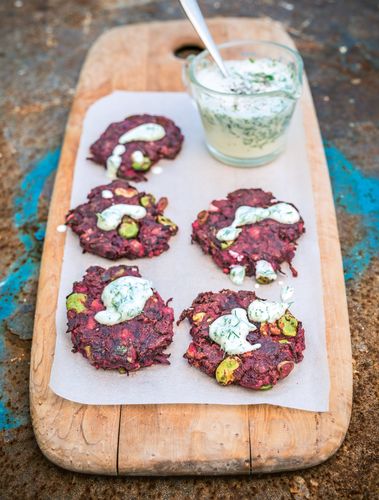 Beetroot and Cumin Fritters from Peace and Parsnips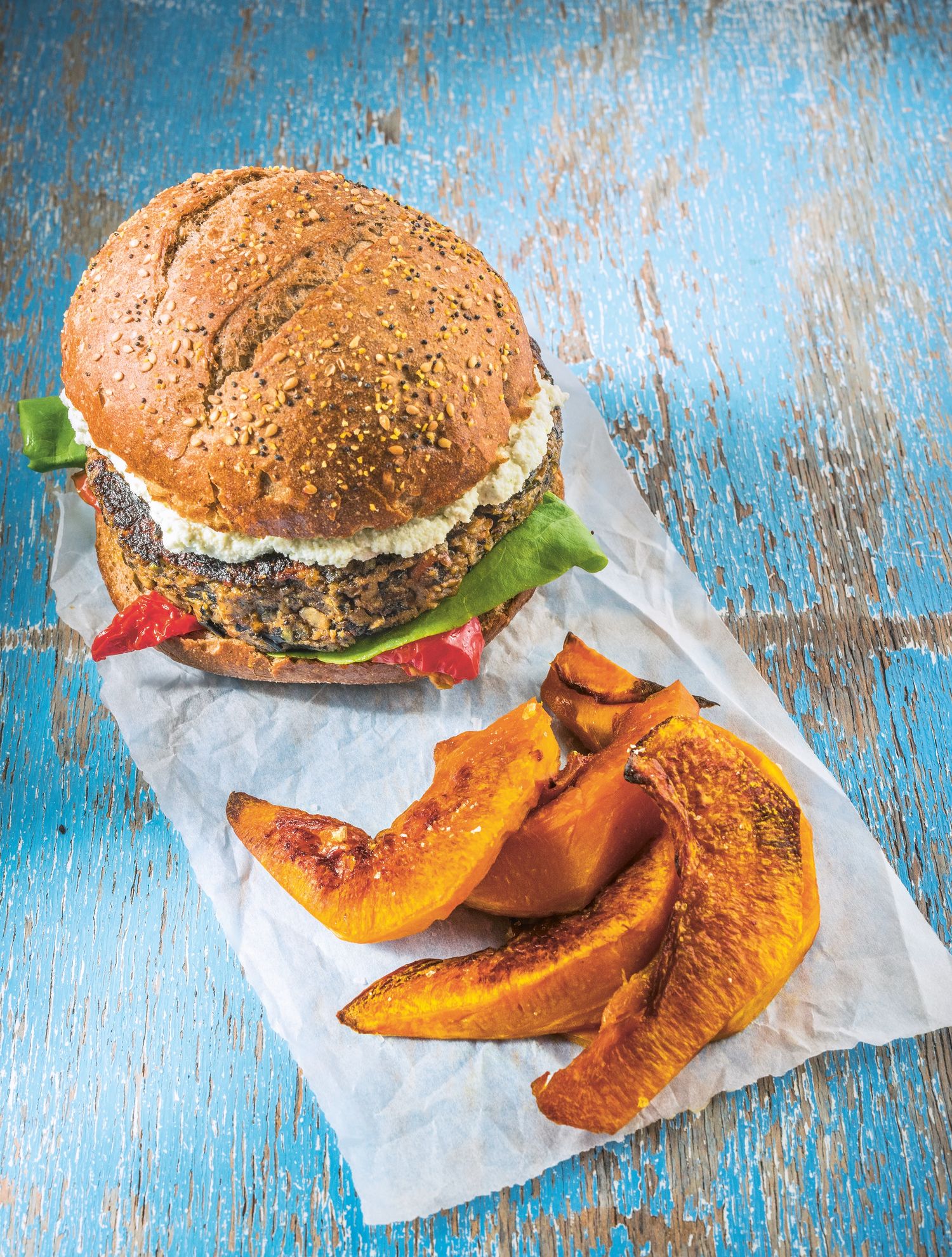
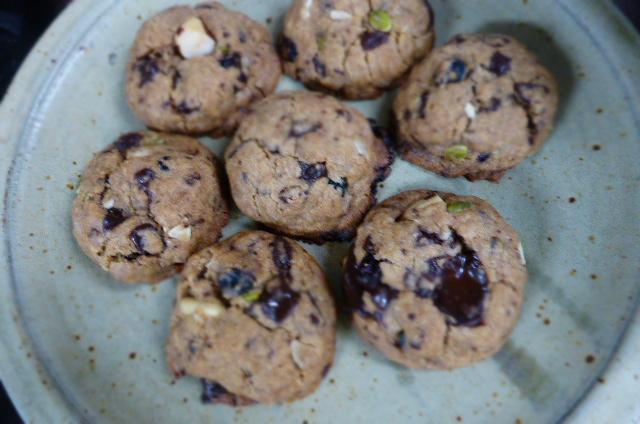




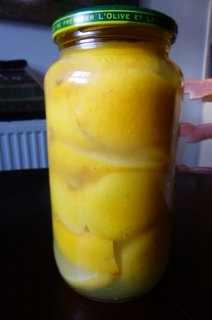
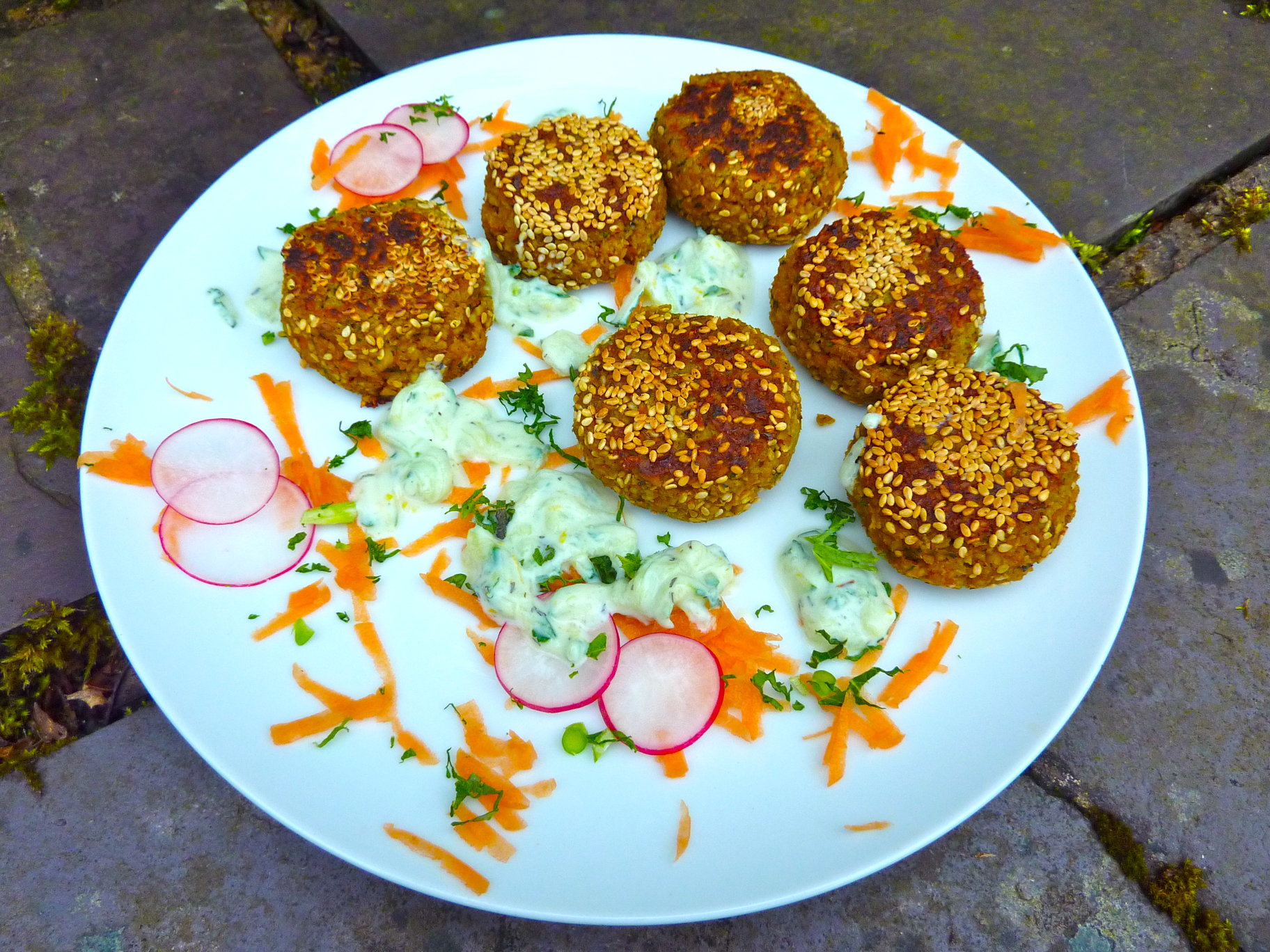
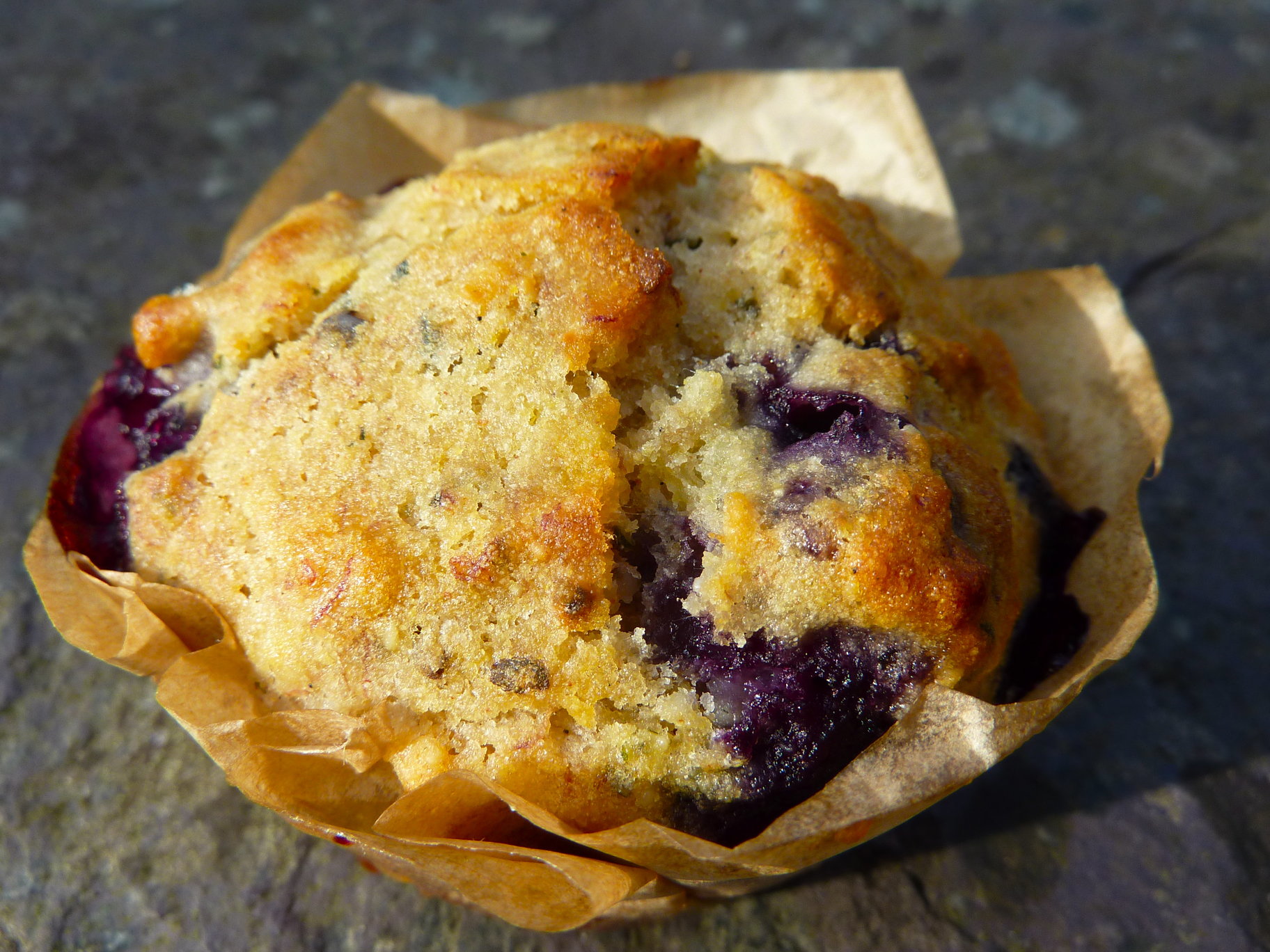







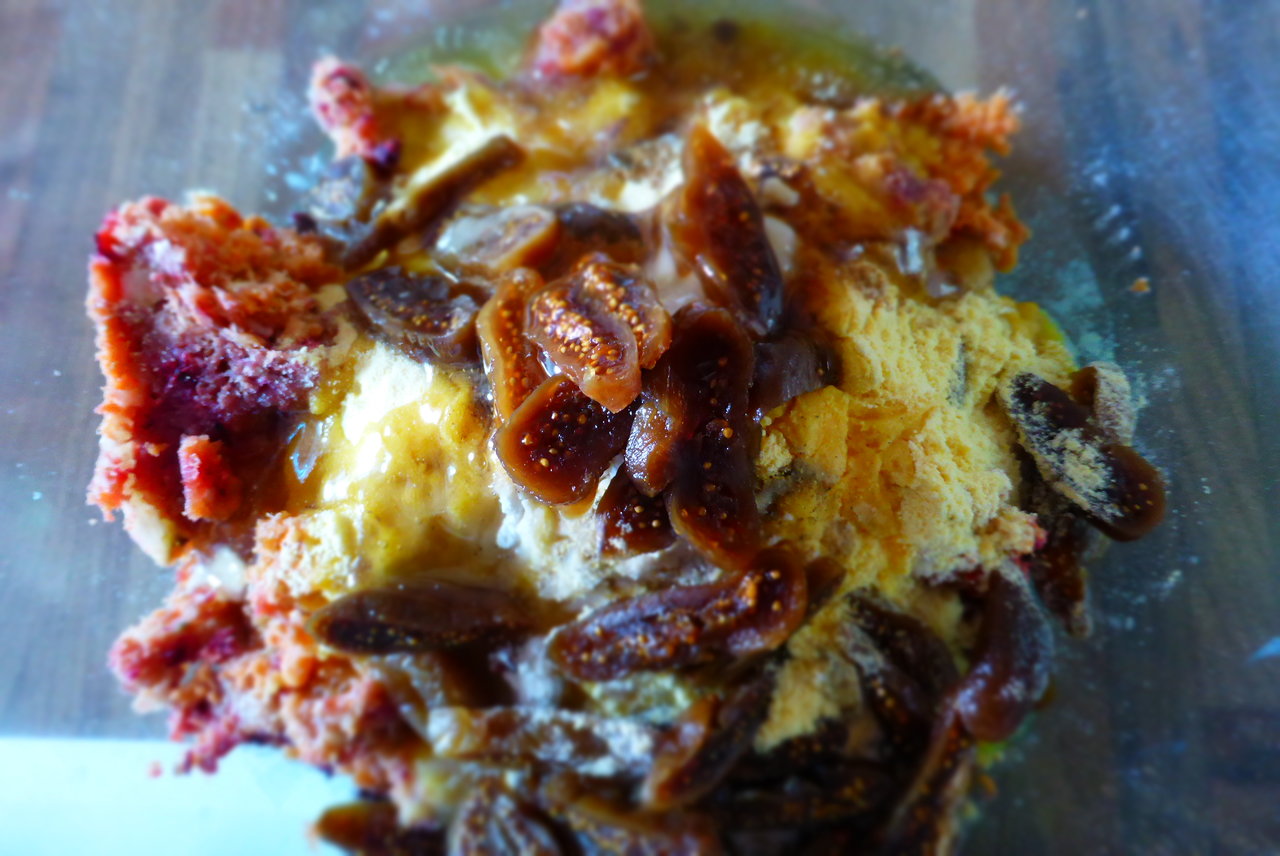


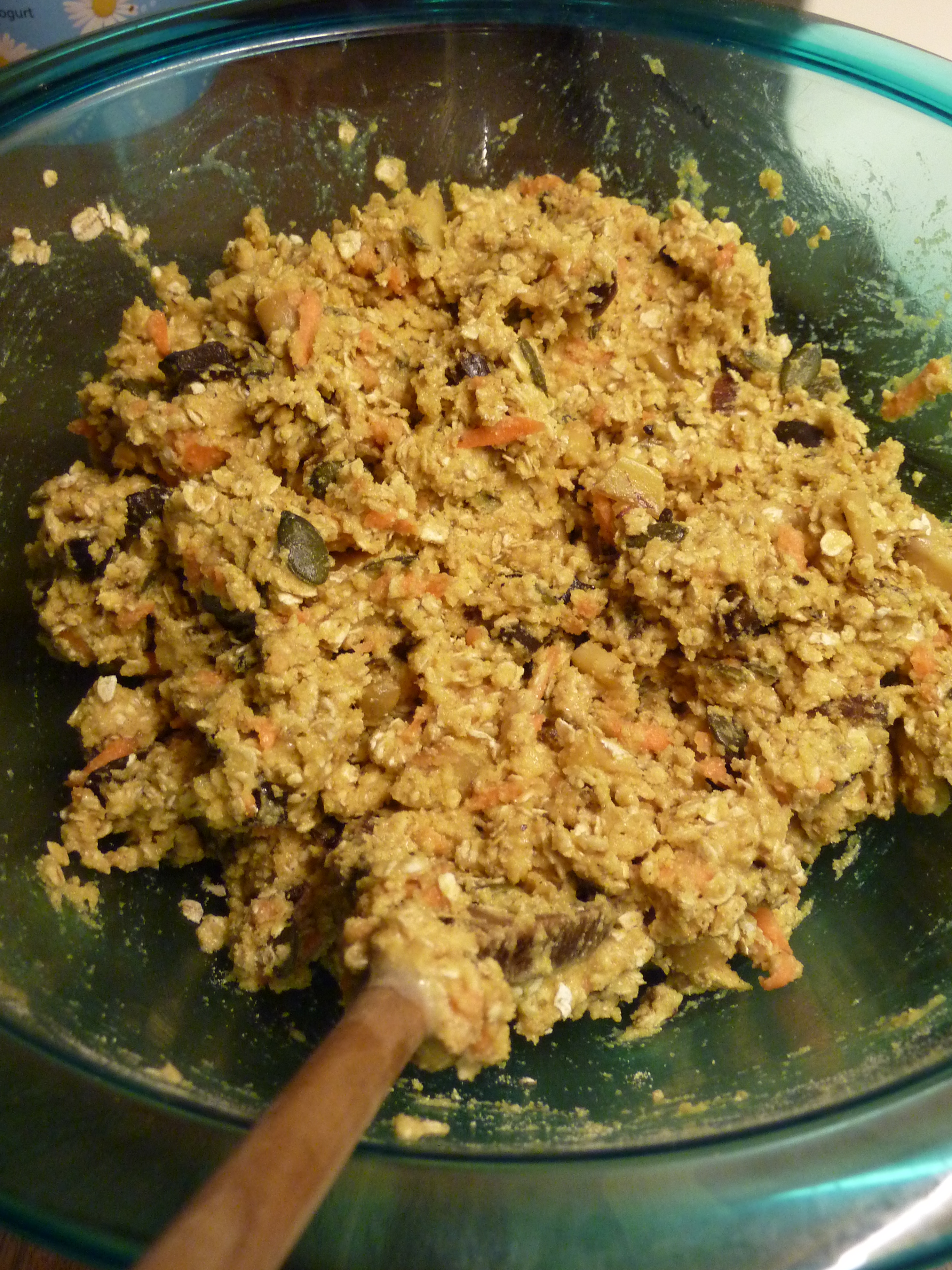
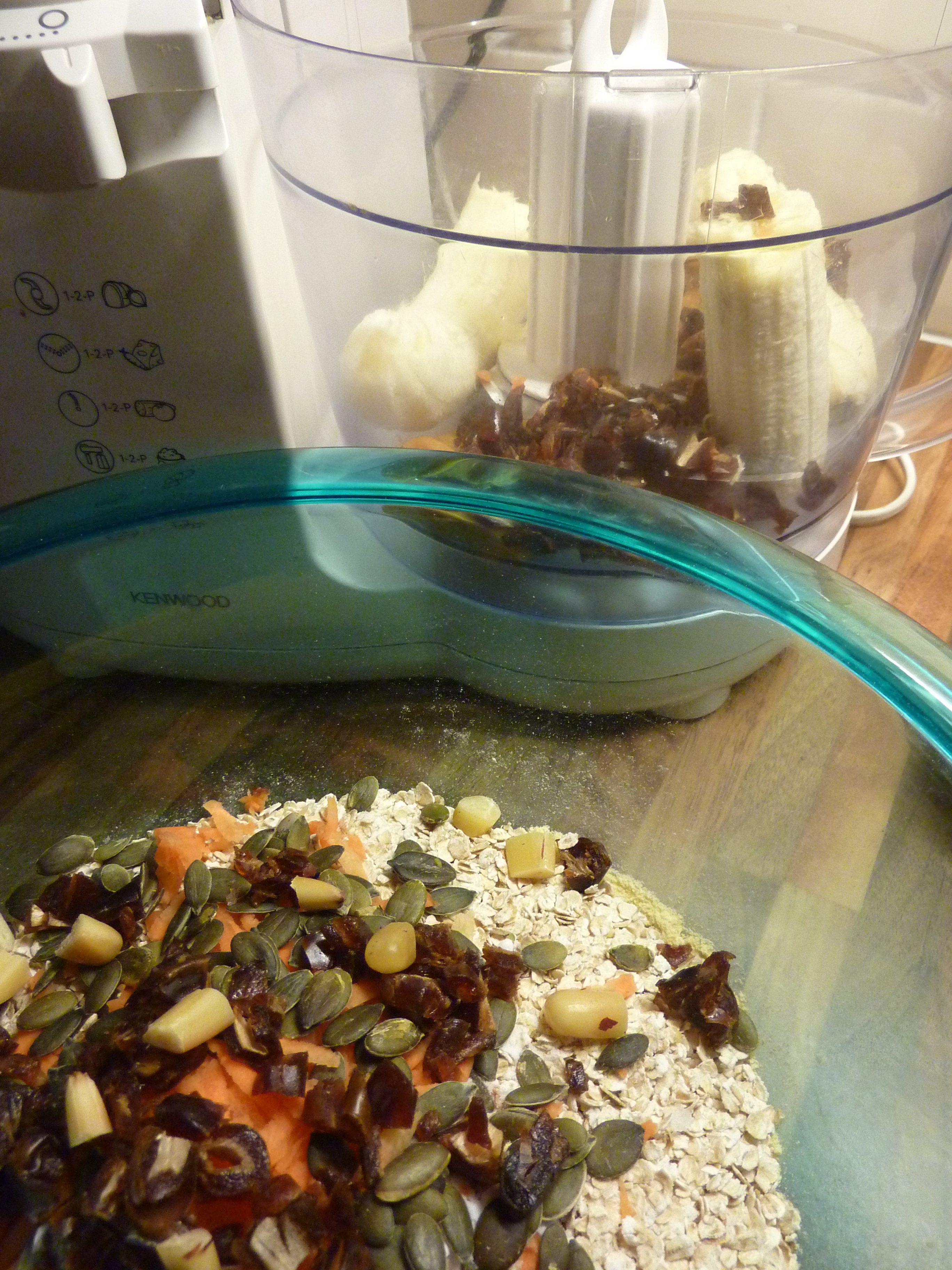


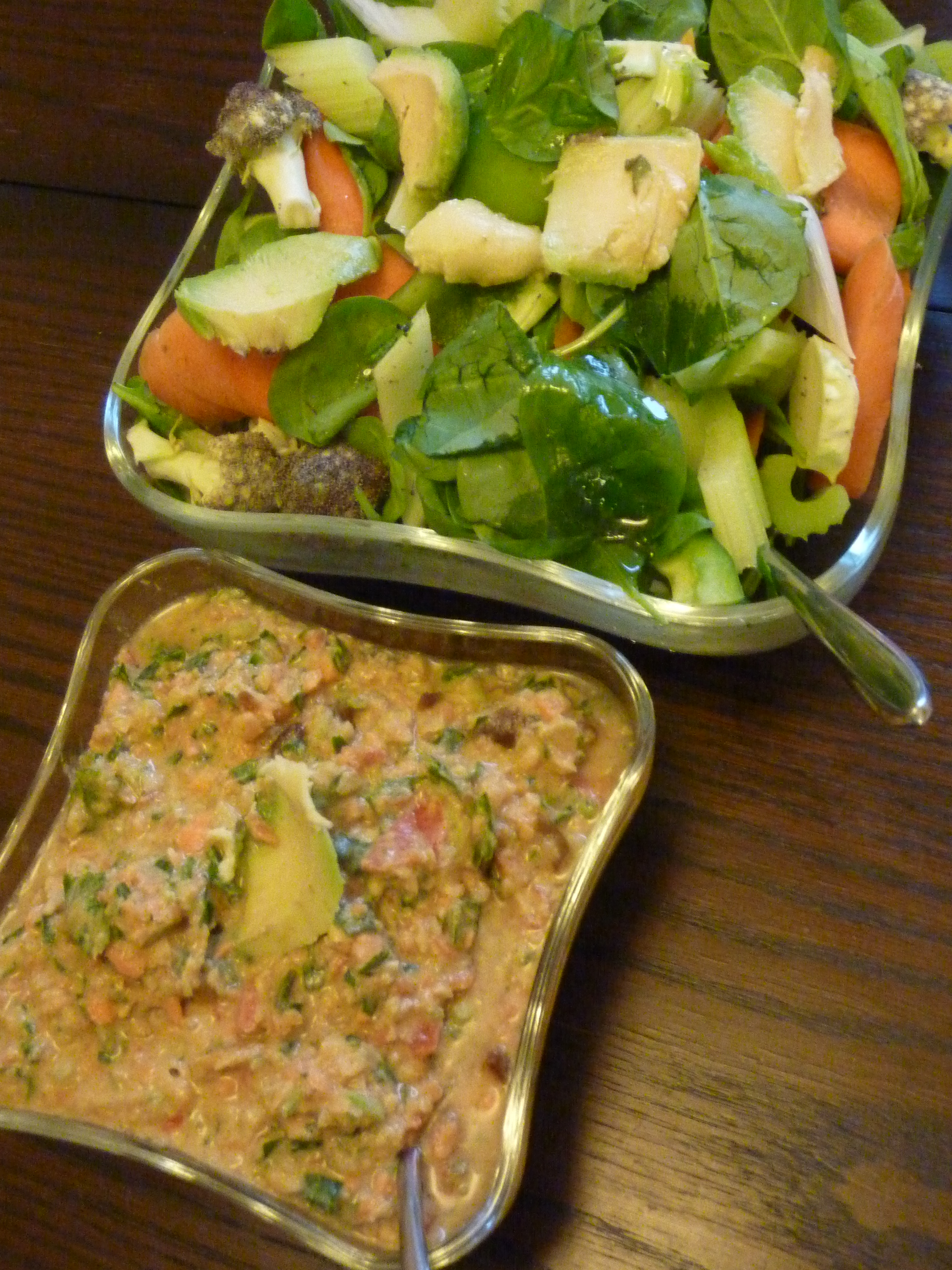
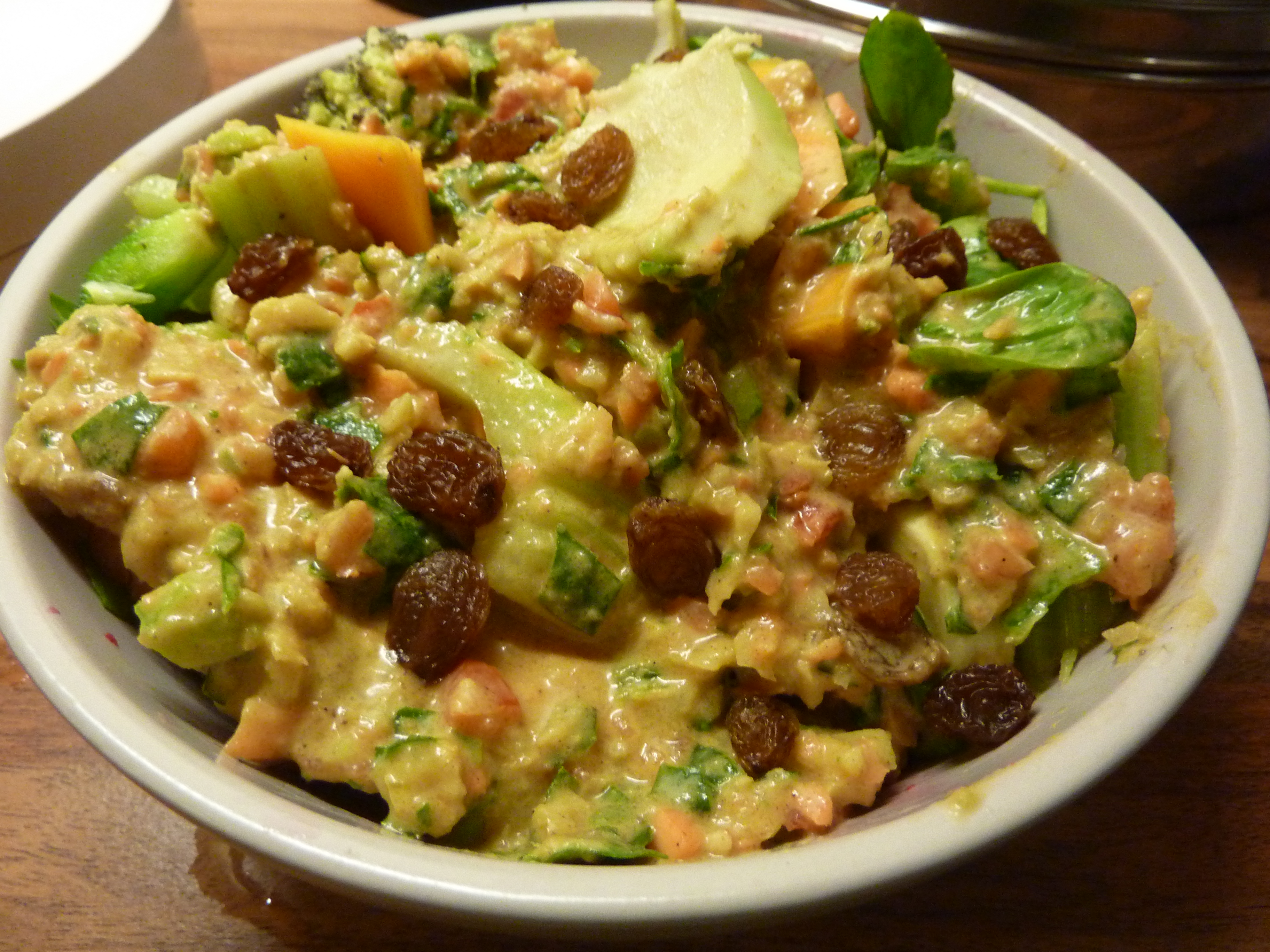





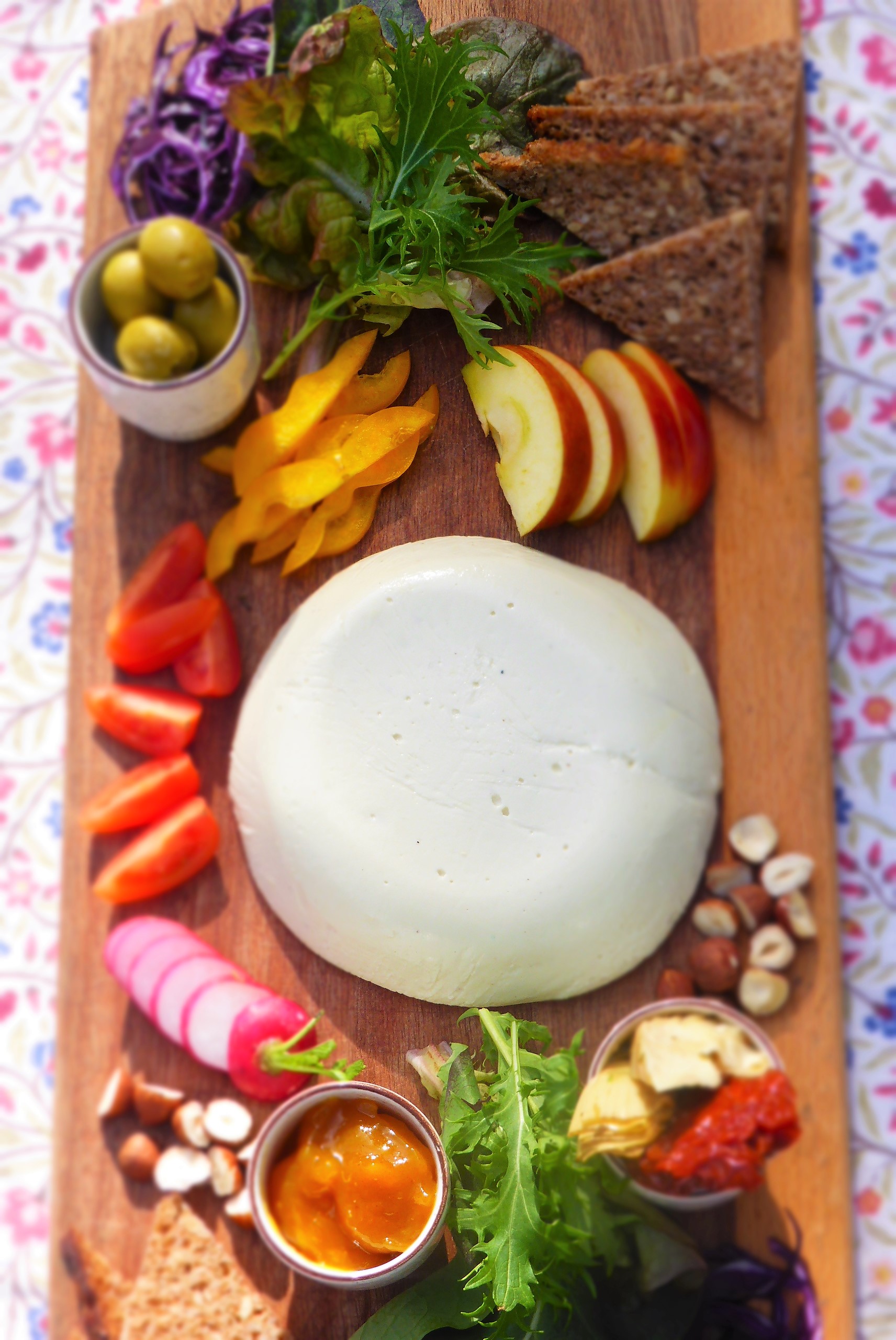
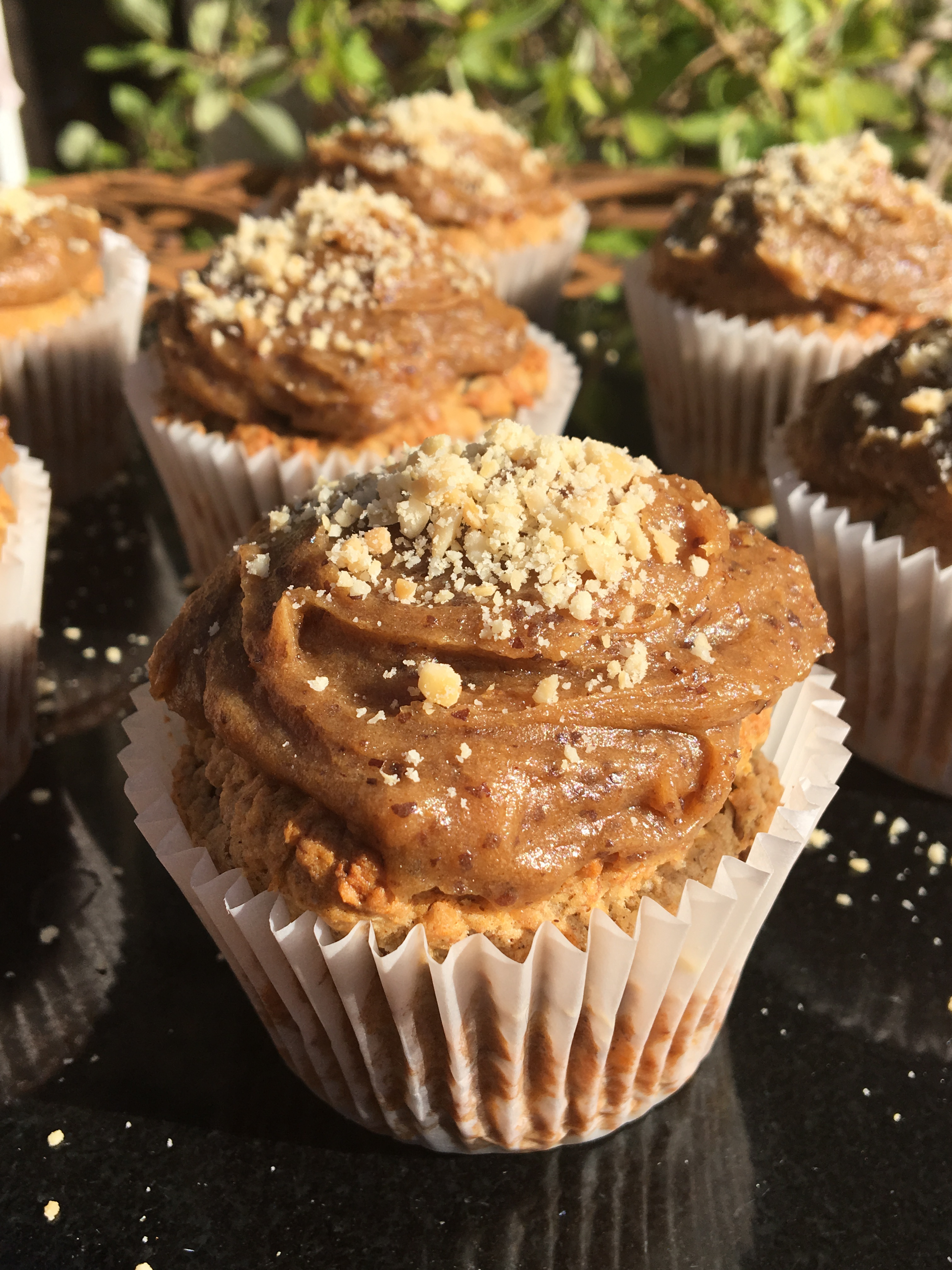
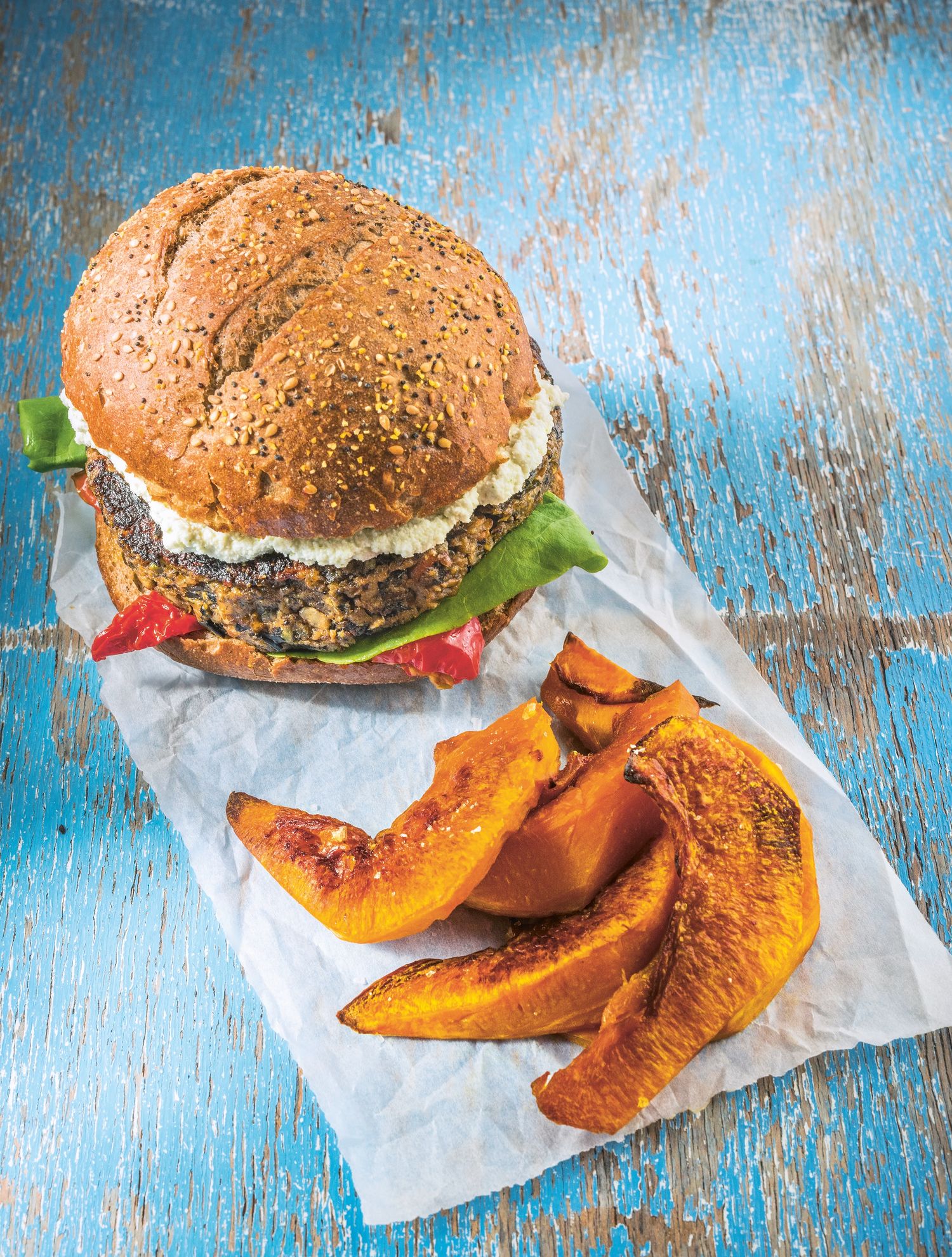
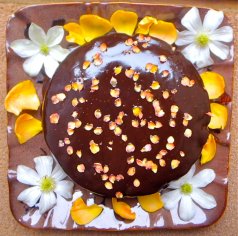

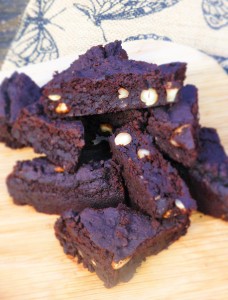
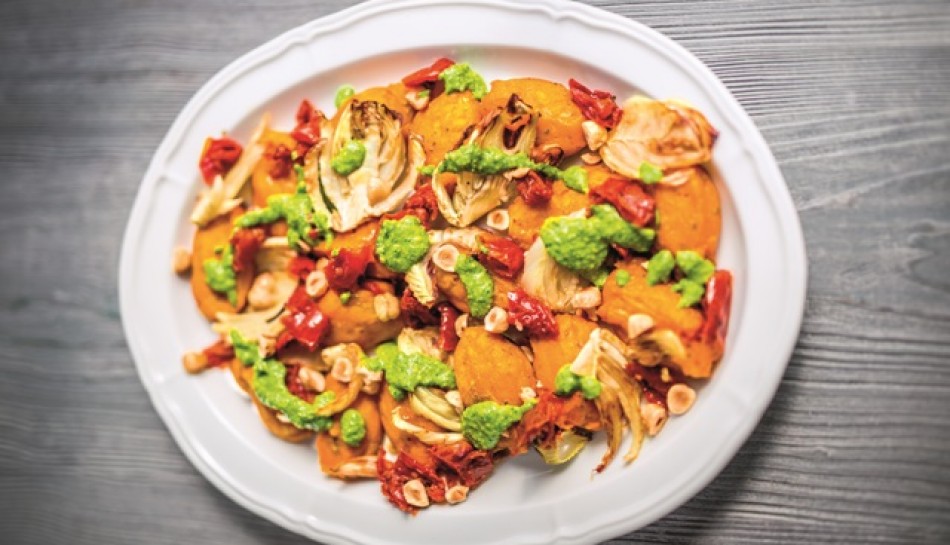
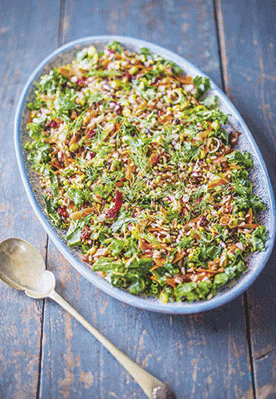


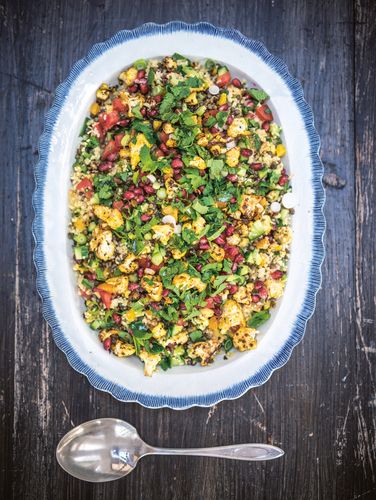
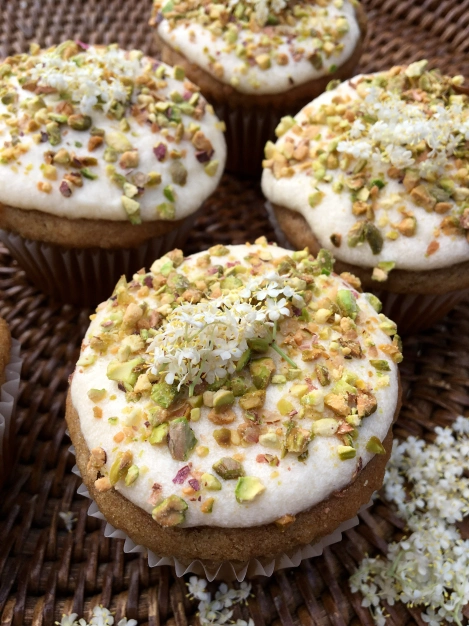
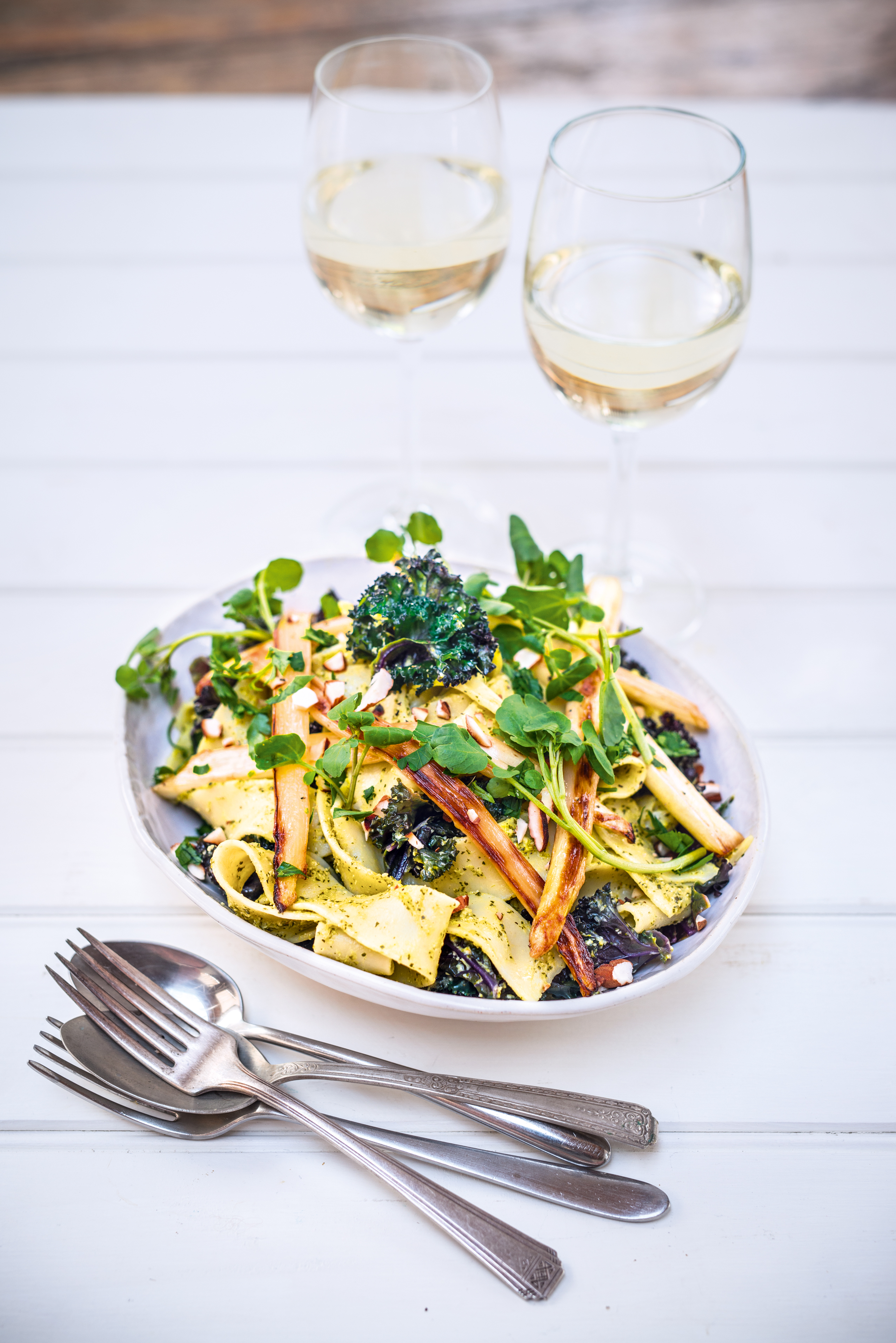


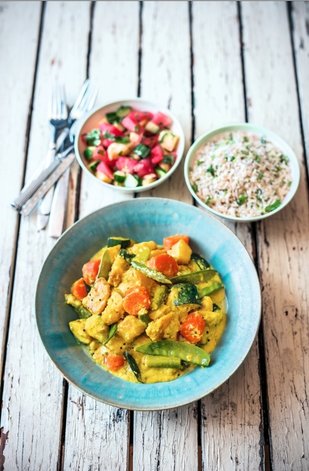
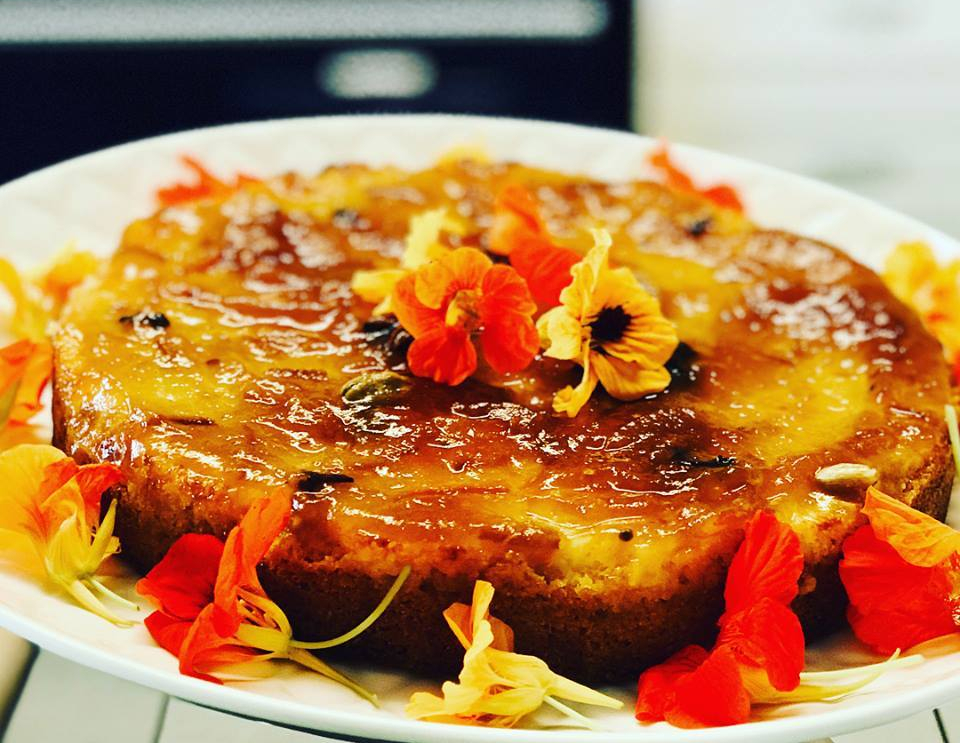
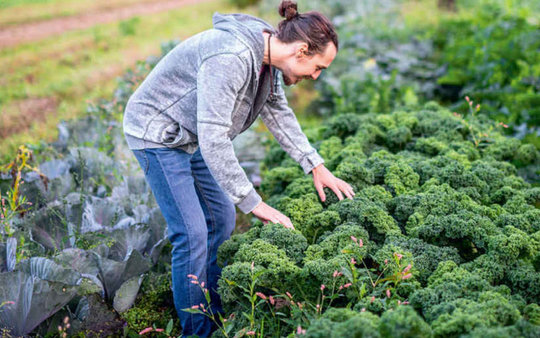


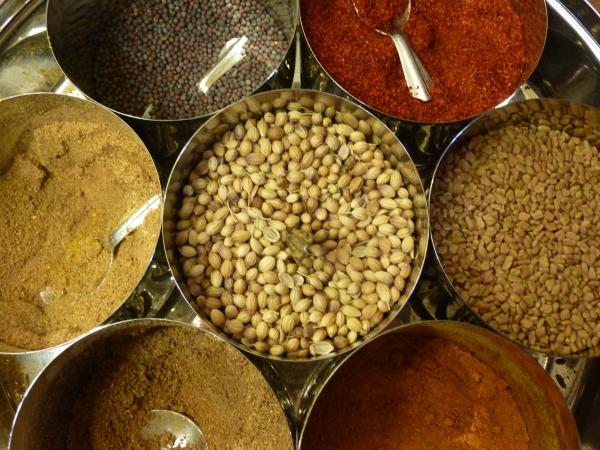




 beach house kitchen