We are running late on Raw Earth Month, the big day is now tomorrow (for a variety of mundane reasons). I know Jane has already told you a little about what we’re up to, but here’s my take on the whole shebang. Lee
The Beach House is going full-on this June – July (24th – 24th), its:
!………………RAW EARTH MONTH……………….!
We are rather excited about the whole dreamt up project. It came like a bolt from the blue, we wanted to do another raw food month (because it makes you feel great and raw food is seriously interesting for the taste buds and from a nutritional point of view) so we took it to the next level, a huge step towards a more natural, peaceful lifestyle.
(other than recharging computers, dehydrating, juicing, blending)
– Minimal car use
(other than going to work and shopping on the way back)
– 1 hour internet use per day
– No electric lights
(candles are allowed!)
– No washing machine
(we are hand washing clothes in the bath)
– Waste water to be recycled
(in the garden on our veg patch)
– Use as much organic produce as possible
(has been difficult this year with the wet, wet conditions)
– Forage as much as possible
(nettles, elderflower, hawthorn, wild herbs, red clover, dandelion)
– Composting all our waste and only buying packed produce when absolutely unavoidable.
Yoga, walking, meditation, gardening, playing music and smiling; definitely allowed.
We have loads of cool books to read about sustainability, organic/ biodynamic gardening, raw food, etc and are taking this month as a huge learning curve. Jane is really getting into herbal remedies and potion making, with wonderful results (elderflower champagne anyone!!!!!) We have both been super busy with work recently and are looking forward to this little window of peace.
Jane and I are also going to be making some music and this may appear on the BHK soon. We may sing about red clovers and rosemary, we may not!
We’d love to hear your experiences of a similar lifestyle/ project and any advice is very, very warmly appreciated.
All in all, we hope to live the life we want to live, free from the troublesome add-ons of the modern world and co-existing within it.
Konichiwa and greetings! Here we have a lovely Japanese dish to tickle your taste buds; the ingredients are subtle and revitalising, perfect for a light spring lunch, also great chilled as a noodle salad.
We have paid a visit to our brilliant little Asian supermarket in Bangor recently and stocked up on the staples for tasty Japanese and Chinese fare. Noodles are of course a mainstay here, but the dried kelp is something not so easy to find, but well worth getting hold of.
Dried kelp adds a strong vegetal flavour to soups and stocks and, along with the mirin, really makes this salad tick and fizz with flavour. The jerusalem artichokes add nice crunch and sweetness and are plentiful in our area of Wales at the moment. Think of them as a water chestnut substitute of Welsh origin.
The rest of the flavours found here are classically Japanese and the sauce is vaguely Teriyaki. I had a friend as a child, Kenji, and my first most amazing cooking experience (I’ve only remembered this because of this dish, how cool is that!) was at his house with his Mum. We had to cook in front of our school class, I have no idea why, so I went around Kenji’s house one Sunday and we got straight into the kitchen and whipped up a Teriyaki Noodles as I recall. I remember it being another world of flavour’s and techniques and like absolutely nothing I’d seen before or tasted before. The way Kenji’s Mum approached cooking was so different. I was then a major Japanese food fan, 10 years old, and still am to this day.
The dish would be best garnished with some toasted sesame seeds, but we seem to have ran out! We finished it with some dried sea salad, but you can hardly see it on the pics, but it’s there and the flavour is wonderfully oceanic and salty. Sea salad is very similar to seaweed, which would also make a great topping here. Anything edible, green and living in the sea is bound to be amazing for you and taste like seaside rocks (you know that flavour!).
THE LAND OF MUSHROOMS
In this part of Wales we are blessed with the finest grower of shiitake and other mushroom varities in the UK, The Mushroom Garden. Being nice and damp and misty, Wales in the perfect place for mushroom cultivation and their shiitake’s and mushrooms in general are some of the finest I’ve tasted. I have been trying to track down a hedgehog mushroom for a while now, they are elusive little critters! The Mushroom Garden are also doing an ‘Umami’ seasoning, which sounds interesting and will be sprinkled on things in the BHK very soon. It’s great to have such wonderful, passionate producers locally.
Here in North Wales, good Japanese food is quite rare, homegrown is best. This salad turned out very well and I’d hope Kenji’s Mum would be happy with my progress!
Sayonara & Peacex
Makes two decent bowls.
The Bits
15og shiitake mushrooms
6 medium jerusalem artichokes (sliced into 1cm discs)
In a saucepan, warm 2 teas of oil and fry your shiitake for a few minutes then add your artichokes and ginger, fry for five minutes and add your vinegar first (allow it to evaporate a little) then add chilli, sesame oil, soya sauce and mirin. Keep your eye on the mushrooms, shiitake will absorb alot of liquid and can go a little soggy. They will release this liquid after a few minutes more of cooking.
Continue to cook on a high heat and reduce the sauce a little, check seasoning, it may need a little more sugar. Cover and keep warm.
Have some boiling water ready in another sauce pan, pop in your kelp and cook for 3 minutes, then add your fine noodles and cook for a minute. That’s all it should take. Seive the noodles and kelp and keep the stock. Run under cold water to cool the noodles down. This salad is best served warm. Reserve any leftover stock for other soups and stews, even freeze it, the flavour is well worth it.
Add your noodles to your mushroom mix and pop in your spring onions. Stir gently together, combine well.
Shiitake, Sesame and Kelp Noodles
Serve
In warm bowls with chopsticks, extra mirin and soya sauce available. Make sure everyone gets a decent amount of mushroom and artichoke, they tend to sink to the the bottom. Sprinkle on your toppings and enjoy.
We Love It!
Full of the flavours of classic Japanese cuisine and is nice and easy to get together and great served hot or cold. Great quick bite material and something that keeps nicely.
Foodie Fact
Shiitake Mushrooms (or Wood Mushroom in Japanese) have been used by the Chinese for over 6,000 years medicinally and are burting with health giving properties. Brilliant for voth the immune and cardiovascular system, the Shiitake is also full of iron.
Although the Shiitake may seem like an iconic Japanese ingredient, China now produces 80% of the worlds Shiitakes. No great surprises there though.
All this nutrition talk is all well and good, but the best way to feel healthy, is to feel healthy! Enjoy your cookingx
Thai Mango and Coconut Forbidden Purple Rice with Basil (Vegan)…..quite a mouthful this wonder dessert, in more than just the name!
If you love this magical dessert, you have been to Thailand and probably savoured it in a hectic street scene with a plastic spoon and big smile on your face. It’s one of those experiences that etches itself on your memory, your first taste of sticky coconut rice is not easily forgotten.
The very mention of this desert and I’m weak at the knee; one foot in dessert heaven, its full of unspeakably good sweet stuff and awesome flavour combos. As you may gather, I quite like this dish, it’s up there with my top desserts of all time (ever) in the world.
I’m not a huge dessert fella, but sweet coconut rice topped with mango is something I’d swim to Thailand to try again. Jane brought it all the way to the Beach House and it was a very pleasant surprise.
Jane made this ‘Forbidden Rice’ for one of our date nights (in). We are some of the luckiest folks you’ll ever meet and get much good luck/ news/ people crossing our paths and we felt like celebrating it all. I opened something fizzy and Jane disappeared into the bowels of the Beach House Kitchen to work her culinary magic spatulas, and what a feast we had. The Corn and Coconut Korma (recipe coming soon) was something to write home about (even though we were already home) but the dessert…………..I do a lot of the cooking in the B.H.K. and I also work in a kitchen for my sins, so to have a dinner presented to you with such care is a recipe for a magic night.
Purple rice (sometimes called black rice) was deemed so special, fragrant and nutty, it was only served to emperors in ancient China, hence the ‘forbidden’ moniker. It was also popular in the fascinating Indian region of Manipur, where it is still served on very special occasions to much fanfare. It is believed that all of the strains of this rice lead back to the Manipur region. It is a glutinous rice and is grown in many different countries now, it is exceptionally nutritious (see the Foodie Fact) and has a distinct, full flavour. This rice also makes for a very funky porridge.
The only problem is getting hold of the stuff, the real deal is hard to find. Jane picked some up in Glastonbury, which is the heart of all things obscure and nutritious foodstuffs within the UK. I imagine if you live in certain pockets of California it grows on trees there! But generally, it may take a while to track down. Our advise, persevere and bring this dessert into your life. Of you can’t get black, go white jasmine instead.
This is an easy dessert to make and is perfect for when you fancy adding something a little exotic to proceedings; mango and coconut are a legendary pair and the coconut pouring sauce, quite literally, tops it off.
We had some pouring sauce left over and its been making cheeky appearances on all sorts of things, mainly bowls of muesli.
You may like to add a little jasmine thai rice to the mix, it turns a wonderful purple colour when combined with the purple/black rice.
A word on coconut milk: there is some real rubbish out there. We have managed to find a little sustainable Sri Lankan project that makes the finest coco milk, it cannot be compared with the stuff you’ll find clogging most supermarket shelves.
1/2 cup black rice (or any rice you prefer really)
1 big handful of jasmine rice
1 can sustainable coconut milk
1/2 cup sugar (we used unrefined brown)
1/2 teas sea salt
1 ripe/ fragrant mango
Garnish
2 tbs toasted dried coconut (desiccated coconut will do)
Several leaves of basil (we forgot the first one, but it would be amazing)
Do It
Soak black rice for four hours or overnight to get nice and tender.
Cook all rice in a saucepan, cover with plenty of water and bring to a boil, simmer for 30 – 40 minutes or until tender but still with a little bite. Drain, keep warm.
Pour coco milk (make sure you get all the cream from the bottom of the can), sugar and salt into saucepan and bring to boil, simmer for 5 minutes, stirring almost constantly. Reserve a cup for pouring at this stage.
Add your rice to the saucepan, heat again gently to a boil, then simmer for 10 mins until it thickens. Check sweetness.
Cut mangoes, this can be quite a fiddle, so heres a little example of how its best done by Peggy Trowbridge Filippone (we loved the name). This will give you cubes, for the thin slices, just take off the skin at the cubing stage and slice thinly. Any questions, we are here to help on the mango hotline, Wales.
Next up toast your coconut in a small frying pan, medium heat for 5-8 minutes will do and this can be done well in advance, although warm is better.
Stay in touch! Join our newsletter to receive exclusive recipes, special offers and news from the Beach House Kitchen. Click here (takes a few seconds only)
Forbidden Purple Rice gets a drizzle
Serve
In lovely shallow bowls (small servings are best as this is a very rich dessert), spoon in your purple rice, lay on your slices of mango (fan shapes look brilliant here) and offer the pouring sauce in a small jug. The general sweetness of the dish will be enough for most.
Sprinkle on your coconut and basil leaves and serve warm and immediately.
We Love It!
You’ve seen the pictures, you’ve heard me get all excited, you imagine the flavours……..you know you’ll love it!
Foodie Fact
Purple/ black rice contains all of the 18 amino acids, which means that technically you can live on the stuff. Great for dessert islands (small joke there)! It is also high in iron, zinc, copper, caroten and several great vitamins.
It also contains anthocyanins, which make it black and are also found in blueberries and peppers. This chemical mops up bad molecules and is a poweful anti-oxidant.
Because music and food are the same thing, one in your ear, one in your mouth……
Two tunes this time from Beach House radio and both relevant to this incredible dessert. Deep Purple ‘Child in Time’ for the deep purple of the rice and because it reminds me of the dawning or rock music in my world (I was around 10 years old in the back seat of a car when it hit me like bolt, you can wail and not be told off! IT’S ONLY ROCK AND ROLL. If I could sing like Ian Gillan, I’d happily forgo my forbidden rice.
and a shaky clip from one of my favourite music bars in the world, the Adhere Blues Bar (just of the infamous and rubbish Khaosan Road) in Thailand (queue more wailing with a Thai accent).
Turkish food has always tantalised me, Ive had a few dishes that promised so much, but finding good Turkish restaurants is difficult in the UK and I have resorted to educating and cooking them myself at home. Isn’t that always the best way anyway! I much prefer a home cooked meal, prepared with love than something bought. I am not a good diner out-er, I rarely have a good time and seem perpetually let down by the food. This maybe due to the fact that I live in the sticks in Wales and in Spain, in the big cities, where cultures merge and intermingle, things are a very different story.
Thing is, I’ve always been more fond of food from further afield that Europe (is Turkey now a part of the ever expanding ‘Europe’!?), maybe its the exotic element and imagery of new and distant horizons. Turkish cuisine has such bold flavours and is normally pretty simple to get together, focusing on super fresh produce and a constant flow of awesome yoghurt!
A wonderful dish this ‘Imam Bayeldi’ of Turkish origin, bursting with flavour and delicious texture. You’ve probably made something like this in the past, but its nice to get a specific origin to things, I love the heritage and tradition attached to dishes, the stories and legends behind them.
Imam Bayeldi translates as ‘the priest fainted’, according to Armenian legend, a housewife was surprised by a visit from a priest and created this dish especially (whipped it up quickly I’m sure!) At the first mouthful the priest fainted with delight!
I have been buying a few cheap as chips cook books on-line, I’m shifting slightly away from constant experimentation in the kitchen and looking at what other people are up to. The books I am buying are mainly retreat style cooking, Ayurveda and Macro-biotic influenced; I have some very cool Zen Buddhist cook books but this recipe (well most of it) came from the awesome ‘Shoshoni Cookbook’, which is a Yoga retreat up in the hills of Colorado. The food is simple, vibrant and superbly nutritious. The philosophy of cooking at Shoshoni, be ever present and immersed in your activity, constantly channeling love and good intention into your food and its preparation are essential for me in the whole wonderful food game, enjoyment! This is food charged with positive energy, cooked from a special place.
I know there are many different ways of preparing this dish, but this is my favourite. The aubergines are very tender after boiling and the light spices and herbs work very well together.
Aubergines can be grown in Britain, but only in greenhouses. We are struggling getting good local produce at the moment, so our seasonal fare is sparse. Fingers crossed this cold weather won’t hold, it’s been gloriously sunny in the days and freezing in the morning and nights. Not good for our poor plants, but makes for beautiful days walking.
You my live in a lovely part of the world where your veggies are just plain amazing and sweet. I would omit the honey and even the tomato puree in this case, with great produce, well, it speaks for itself and needs no assistance.
Yemek Keyfini! Enjoy!
Serves two quite nicely.
The Bits
2 aubergine (whole), 1 onion (diced small), 3 cloves garlic (crushed), 4 tomatoes (diced small), 1 red pepper (diced small), 1/2 teas ground coriander, 1 teas cumin seeds, 1 tbsp tomato puree, 1 teas honey, 3 tbs pine nuts, 1 cup coriander (leaves and stems), 3 tbs olive oil, sea salt and cracked pepper (to taste), parsley and mint (chopped for topping)
Aubergines/eggplants ready for the pan
Do It
Place aubergines in a pot of boiling water, press down into the water with a lid and boil for 15 to 20 minutes until tender. Do not overcook, they have a lovely smooth texture, but the skin is fragile and breaks easily (as I learnt the hard way!) When cooked, run under cold water to chill quickly.
Split the aubergines down the centre lengthwise and gently score out the pulp and remove without piercing shells. Good luck here! Keep the skins warm somewhere of your choosing, a warm covered plate works well.
Saute your cumin seeds for two minutes, they will pop a bit, then add onion and cook until translucent, add aubergine and cook for 10 minutes or until tender, add ground coriander, tom puree, pepper, garlic, honey (if needed) and tomatoes and cook for a further 5 minutes. Add some of your herbs (coriander, parsley or mint or a mix) and pine nuts, season well to taste.
Serve
Fill the warm shells with vegetables and sprinkled with some more herbs and a good drizzle of amazing olive oil. Traditionally served with Mudjedera (recipe to come soon) or cous cous.
We Love It!
A simple, tasty dish that didn’t make us faint this time, but we’ll work on it!
Foodie Fact
Aubergines have very few calories but plenty of fibre, it contains loads of the vitamin B’s and some vitamin C. It also has good levels of manganese which acts as an anti-oxidant around the body and plenty of potassium which is good for many of your parts! (nerves and heart especially).
Layered Filo Pie with Sweet Potato, Puy Lentils and Cashew Cream
After a long walk with Mum and a ride on the Ffestiniog Highland Train it was time for a pie, but not just any old pie though. A wonderful day demands wonderful pie and this one has been on my mind ever since I read the recipe.
This layered filo pie will suit any special occasions and satisfy all loved ones, especially those who are still skeptical about the whole vegan approach. Get on board, try this pie, eat more nut cheese! The cashew cream is the real star here, adding bags of creaminess and that ‘something a bit different’ that I love in any recipe. This is not our first play with cashews and it also makes a very respectable cheese, although denser in texture, cashew cheese would also make a great layer for this kind of pie.
The inspiration for this magic pie came from the brilliant Becky over at Veg Hot Pot, a blog for anybody who likes tasty food cooked with heart and soul. Becky is attracted to big flavours and gorgeous looking food. Cheers Becks!
We have of course tampered with the original and added some of our favourite bits (we’ve just made one with lime zest, smoked paprika and a spinach layer…..but we digress……) We have added roast peppers and sweet potato instead of the delicious sounding roast carrots, we have used sage to flavour the sweet potatoes, because I love that little combo of green ‘erb and funky orange spud. There is also a tablespoon of tomato paste in the puy lentils, this is a rich tart and the tomato lifts things a little.
I love giving meat eaters a run for their money in the flavour stakes, this meets and beats any meaty creation in Christendom (it is Easter after all!). The look of the pie will make jaws drop; cook it for an Uncle who has gravy on his corn flakes or that boyfriend who cannot omit meat from any plate of food. I’d love to hear the response from that crew?! Let me know….
The filo adds a nice crunch here, its a great thin pastry for making a guaranteed crisp pie base. I very rarely buy pastry, but this is a no-brainer. Filo sits there quite happily until called upon.
Mum’s comment after pie for dinner tonight whilst holding her belly:
‘Blimey Lee, I feel like I’ve had a pie!’
This pie is magical in so many ways, mainly because of its versatility. You can play around with the flavours and layers and the potential combinations are mind boggling.
Recipe makes two individual pies, more than enough for two good folk. If you are eating the pie with vegetables, half a pie is more than enough per person.
Layered Filo Pie
The Bits
1 big sweet potato (cubed)
2 fat cloves garlic (finely chopped)
1 red pepper (cut into thick flattish slices)
1 onion, (finely diced)
2 small leeks (finely chopped)
1 cup soaked cashew nuts (overnight)
4 sheets of filo pastry
1 teas dried sage
250g puy lentils
glugs of vegetable oil for frying.
Do It
Turn on your fan oven, 200oC.
Sort out your lentils, either cook them or open the can. Cooked fresh is of course best (follow pack instructions). Normally cover with an inch of water, bring to the boil and simmer for 30-40 mins. They should be completely soft, but not mushy. At this stage stir in your tomato paste and heat through.
Toss your sweet pots in oil and sage and roast for 15 minutes, until soft and slightly golden. Remove and cover. Leave for 10 minutes then mash. Whilst that is going on, add your peppers to the oven and roast for 10-15 mins until becoming slightly charred.
Rinse your cashew nuts and place in a food processor with half a cup of water and a pinch of salt and blitz for 5 minutes until creamy and thick, the texture of hummus is good.
In a frying pan, add a tablespoon of oil and begin to fry your onions off on a medium heat. Get them nice and golden, we’re looking for nice sweetness here, then add your leeks and garlic, cook for a further 10 minutes on a low/ medium heat. All should be very soft indeed. Then add you cashew cream and stir well together.
All layer ingredients can be made well in advance and refrigerated.
Take two small ovenproof dishes, or pie dishes approx 5 inch diameter by 2 inch deep. Oil them up ready for action.
Use filo straight from the fridge and brush oil over each layer, use three layers for each base. Spoon in your layers starting with sweet potato, then peppers layed out, then lentils and finally the cashew cream mix. Make sure all layers are pressed snugly into the corners of the pie, giving a distinct layered look and good full shape to the pie.
Pop them in the oven and check after 10 minutes, the pastry may get a little dark. If so, place tin foil over the pies.
Cook for 25-35 minutes, until the bases are nicely golden and crisp.
Lovely layers
Serve
Leave to rest for a couple of minutes in the dish then pop out onto a wire rack to cool and settle for 5 minutes. Then mange! We had ours with a tomato chutney and it was a tasty feast.
We Love It!
This is a rich tart and very nicely segregated, it looks a million dollars! The cashew cream works fantastically well, it browns a little and gives a fantastic creamy texture. Who needs cheese!
Foodie Fact
Cashews are not devoid of calories, but we’d be a sorry state without enough fuel! Some people I’ve met on raw food diets etc have warned me off cashew nuts, but in a world riddled with vices and food fads, I hardly think the odd cashew nut will push me over the calorific edge. A roasted cashew is a thing of beauty and grows on trees. They also contains plenty of vitamins, minerals and a hefty dollop of fibre.
Easter is all about family, Mum’s here and we’ve been doing some celebrating. It seems nowadays that no party is complete without a stonking dip to showcase (or is that just me!) Dips act as the perfect accompaniment to pre-meal nattering and decadent snacking antics.
This is a very creamy/ cheesy tasting dip without the cheese. I think its the olives and tofu that combine to form an unusual vegan cheesiness. It is rich and like all dips, superbly versatile. Spread it on things, dip things in it, eat it by the spoonful, anyway you enjoy this is just fine by us.
Making our own tofu appeals, but we hear it can be a pain. Here is an interesting little clip that has inspired us and simplified things greatly:
We are moving back to our vegan ways, little by little and this kind of vegan dip leaves us with plenty of space to get stuck into our Easter bounty. Mum even made Jane and I an egg this year, what a talented creature! Its chocolate and ginger and will definitely not be seeing the light of Easter Monday. YUM.
I’ve put one clove of garlic down here, but we actually had two as we are full-on garlic fiends. One is erring on the side of normality.
This can be thinned down by adding a cup of water, or a little oil, depending on your persuasion, to make a nice thick salad dressing.
Happy dipping!
The Bits
250g firm tofu, 1 cup green olives (pitted), 1 lemon (juice and zest), 1 clove garlic (crushed), 1 handful mint leaves, 1 handful basil leaves, sea salt and cracked pepper to taste, dash of fruity olive oil
Do It
Pop all ingredients in a blender and blitz until smooth.
Serve
We added it to a salad, adding nice creaminess and have also dunked wedges of carrots in with gusto.
We Love It!
All the cheesiness without the dairy bits! A pleasant change and very quick to get together, for all your impromptu party dip needs!
Tofu in all its glory
Foodie Fact
Tofu is a magic food with a bad rep due to tiresome jokes about vegetarian hippies and the like. It is an acquired taste to some, but adds a great texture to all it touches and is a great vehicle for bags of fat-free protein in anybodies diet. Tofu contains more protein than eggs and milk and contains a quarter less calories than beef and a third of the calories (that’s the main protein brigade taken care of!). Like all plant based foods, tofu is completely cholesterol free.
Like with all soya products, we strongly recommend going organic.
A simple and lip smacking sauce from our hombres in Mexico. Salsa Verde is so fresh tasting, especially when lathered on a street taco in Mexico City. Viva la verde! Summer is on the way, we need to get these recipes gathered and prepared. Here comes the sun……….
With a fridge full of amazing green herbs and lemons all around, making this was a real no-brainer. I have played around with the spices here, but I think it adds even more punch and flavour to the sauce.
I was first introduced to this incredible, tangy number in a Mexican street stall lathered all over a street taco with lashings of raw chillis (normally after a few late night tequilas). The art of a good taco is in the balance of all the ingredients, but for me the salsa verde was always the most interesting component. How do they fit so much POW (followed instantly by a TWANG) into a sauce?! Later I found out and have been making variations ever since, normally potent concoctions with herbs, citrus and chilli as the core (and of course the essential tomatillos (green tomatoes).
The Verde is a super healthy affair also, making your own sauces cuts out the middle man, who usually enjoys adding scary sounding chemicals to sauces and no doubt bags of white sugar and other baddies.
Local lemons
This salsa is easily prepared and you may want to chop up your garlic, lemon rind etc depending on the potency of your food processor. We think its best to mash it all up in a pestle and mortar (and hope you have time for this). Here in Spain, our blender/f.p. is more of a smoothie maker and woefully under powered for the umph a salsa verde needs, you should be left with a vivid green sauce, all the bits well blended and together, mingling and sharing.
Due to the tomatoes, salsa verde doesn’t hang around to long in the fridge, its best eaten fresh poured over roasted veggies or in sandwiches/ tacos/ enchiladas/ burritos etc and we also use it in cooking as a sauce. Salsa Verde will also grace any pasta, I wonder if they’ve thought of it in Italy yet!?
Tomatillos can be a little hard to get hold of outside Mexico, other green tomatoes work almost as well.
Happy whizzingX
Makes one decent size tubful
The Bits
4 large green tomatoes/ tomatillos, 1 tbsp capers, 1 ½ big handfuls of fresh coriander, 1 of parsley, 1 of mint, 1 teas roasted fennel seeds, 1 teas roasted coriander seeds, 1 teas ground coriander, 2 fresh red chillis (jalapeno? Gauge how hot you like it), 3 cloves of garlic, 2 lemons (juice and zest), 150ml olive oil, hefty pinch of sea salt
In the mix – Salsa Verder
Do It
Pop all the ingredients in a food processor and whizz away until deep green and extremely tasty. Or if you lead a life of leisure and want to do it properly, add garlic, seeds, capers, chilli and lemon zest to you pestle and mortar, add a little oil and get mashing! Add this potent paste to your food processor with the other ingredients and blitz for 2 minutes.
Serve
Its very easy to just ladle this straight into your mouth! We would however recommend it mixed in with roasted veggies and will zing up any rice dish. Use it as a sauce and revel in the goodness. Jane and I would also have it thinned out a little, as the perfect dressing for a lively salad.
Salsa Verde
We Love It!
There is nothing like the bite and zing of a salsa verde, citrus and herbaceous with hints of spice. It’s really, very healthy too. The only sauce for a spring barbecue and salad session. Why not start early this year!
Foodie Fact
All those green leaf herbs are superbly good for you, packed with anti-oxidants. Tomatillos were originally cultivated by the Aztecs and contain more minerals than your average red tomato.
Tunes
The only soundtrack to salsa making, Santa Esmeralda – ‘Please don’t let me be misunderstood’ (bad miming and all!)
With tomatoes literally (almost!) falling from vines before our eyes, this is a curry that is local spice bonanza. For many years I’ve been hunched over a bubbling pot of fragrant curry masala: a spoonful here, a spoonful there; ever seeking perfection in blends of spices and sometimes herbs. This is not it, but its mighty close.
Some of my spices are straight from India, brought back on the plane in my backpack. The pack itself stunk like a Mumbai spice shop, fortunately I flew Egypt Air, Egyptians are no strangers to aromatic spices themselves. During the flight, I got vague sniffs of cumin and turmeric, I knew where they were coming from and I smiled, safe in the knowledge that I was smuggling curried gold dust.
People seem put off by curries, the list of ingredients itself can be daunting. It’s actually fairly straightforward, if you are a little organised (which for curries I am). Once you learn the basics of curry making, especially with a healthy tomato base like here, you are off into a world of pungent kitchen happiness.
These tomatoes are curiously named ‘Rambo’. I have no idea why and when I asked the tomato man at the market he simply said “Because they are from around here.” with suitable gruffness and disdain. They are a macho lot in these parts after all!
A little snap taken on a rambla walk near our casa.
There are many spices here, not an everyday curry, but one fit for a feast and fine friends. The main difference between Indian food in restaurants and at home is that Indian chefs are not afraid to be wild and free with the spices. They also normally add lashing of ghee (clarified butter) to make it sparkle and tantalise. This tomato curry is perfect for the calorie conscious curry muncher, full of flavour and superbly healthy. This surely is some kind of elixir! After some Indian meals in restaurants I feel quite heavy and lethargic (with a smile on my face however), you don’t get that treatment here.
Please try and buy good spices and keep them out of sunlight and in a sealable container. It is well worth it, a little effort could produce a curry that blows your mind.
This makes one large panful, enough for at least six hungry curry fiends.
The Bits
6 lovely large and ripe red tomatoes (chop – see below), 1 large onion (sliced), 1 stick of celery (thinly sliced), 8-10 cloves of garlic (finely chopped), 1 bulb of fennel (sliced), 1 large red pepper, 2 inch sq of fresh ginger (finely chopped), 2 teas fennel seeds, 1 teas yellow mustard seeds, 2 star anise, 2 teas ground coriander, 1 teas turmeric, 2 teas curry powder (a good one), 1 teas cumin, 8 fresh green cardamoms, ½ teas chilli powder (or as incendiary as you prefer).
Do It
Prepare all of your spices, this is quickly cooked and you don’t want to be fumbling around with packets and lids which normally leads me towards turmeric leaks and general chaos. Pop all ground spices into into a dry bowl, and the anise and cardamom into another.
Chop two tomatoes finely, forming something resembling pulp. The rest can be cut into large segments, roughly 8 to a normal sized tomato.
In a hot pan with a good glug of oil, roast off your fennel and peppers until both have colour and a little softness to them. Set aside and cover.
In the same pan on high heat, add more oil (1 tbs) and fry off your onions until soft (5mins) then add your fennel seeds and yellow mustard seeds, give a minute and constantly stir. Then the celery, garlic and ginger, stir in and give another minute and keep it all moving. Then for the spices (being careful not to burn them, add water if needed), add your spices and stir well for couple of minutes, then the cardamom and star anise can be added and the well chopped tomatoes added. Stir well and get all the flavour incorporated from the pan base (that’s the good stuff!)
Cover tightly and lower heat, leave to simmer and infuse for 10 minutes. Stir in your roasted fennel, peppers and tomato segments. Cover again and cook for a further 15 minutes, until the tomatoes are soft.
Try not to stir this curry much at this stage, you want the tomatoes retain their shape and texture.
Rambo Tomato and Roast Fennel Curry
Serve
Finish with a splash of olive oil stirred in (gives it shine and a little richness) then blob on some yoghurt and brown rice, topped all fresh coriander leaves. The serving style that we like to call ‘A La Beach House’.
We Love It!
One of our favourite homemade curry delights that we’d love you to try. We made it for a recent curry night and there were many mmmmmmm’s.
Foodie Fact
Fennel is of the same family as parsley, cumin, carraway and dill. Fennel could we be native to Spain and is a highly sought after veg in these parts. Fennel contains many essential oil compounds, anti-oxidants and a good amount of dietary fibre. Although the seeds are the real stars of the fennel plant, packed full of many, many good things.
A soup with a kick and a tickle that is bound to get you buzzing this winter. A real Sopa de Espana here, all ingredients coming from the Mazarron area.
Many people have asked what the heck we are doing going on a three month holiday. Who one earth do we think we are?!!!!!etc….. Well, we’re making soup; and other things. This soup sprang up from a little potter in the kitchen and rifle through the veggie box. It’s not snowing in the bay, but it can get slightly chilly some night fall.
Here in Murcia, people are wrapped up warm, scarves wrapped around their faces and big thick coats are all the rage. It’s 18-24 degrees! It makes me smile and also admire the resilience of the good folk of Britain and other cold parts of the world. This soup is an offering from the Beach House Kitchen to all those shivering and sniffing their way through with a smile.
Noras are little dried red peppers sold all over Spain and normally used when preparing stews and soups. They add a lovely sweet, peppery tang to all they touch and remind me of the wonder food of Mexico, where the dried chilli is king. Dried peppers come in many shapes and sizes, some large black and sticky, some dark red and spicy.
Pimiento is another word for pepper, red pepper, we love it because it sounds so Spanish! We are lucky (we know this!) to have wild thyme growing in the ramble (dry river bed) below our home. Splashing a little olive oil on the top of a soup really adds richness to proceedings, olive oil is of course ubiquitous with all things Spanish food. It’s crops up in biscuits, cakes, shower gel and even amazing crisps (crisps fried in olive oil seems so decadent!). We need alot of calories and fat in winter months when the body is trying to keep us from perishing! Olives lend a hand here. My friend Chris, who lives here swears by it and claims bread is ‘merely a vehicle for olive oil’.
The veg. stock we used here came from last nights dinner, the water used for cooking potatoes. Such a shame to throw it away, it is packed with flavour. Back in Wales, we’d blend this together with a hand blender, soups with potato in always blend amazingly well. They go very creamy and full. Here, we enjoyed the texture of the lumps and chunks, listening to Ravi Shankar (r.i.p. Ravi ji) and toasted our friends and family on the grey island, hoping they were all cosy and shiny.
Gorgeous Spanish Tomato
This recipe makes one big panful, enough for approx, 6 decent bowlfuls.
The Bits
1 onion (sliced), 1 stick celery (sliced), 2 large potatoes (firm variety/ cubed), 3 noras (finely sliced), 2 large tomatoes (skin them if you have the time), 2 heaped teas smoked paprika, ½ teas chilli powder (we used a fresh green chilli named ‘Pimiento Padron – Shepherds Peppers’. Que rico!), 1 tbs balsamic vinegar, 1 teas fresh thyme, approx. 1 1/2 -2 litres good veggie stock, 1 big handful coriander, good extra virgin olive oil, sea salt and cracked pepper to taste.
Do It
In a large soup/ saucepan heat a little oil, begin to sweat off your onion. After the onion becomes glassy and soft add your noras and cook for 2 minutes, then add your paprika, thyme and finally your balsamic vinegar. This will begin to bubble and evaporate, stir well and get all the ingredients nicely involved with each other. If things get a little sticky and dry, add a splash of veggie stock to loosen things up. Season nicely.
Now for the potatoes and peppers, cook for 5 minutes until softened, then add you tomato and cook until the tomato has broken down and formed a sauce like consistency. Then add your stock and stir, bring to the boil and cover. Cook for 20 minutes until the potatoes are very tender.
Pimiento, Noras and Potato Soup
Serve
Piping hot, topped with a handful of coriander, a splash of olive oil (a la Espana) and big cry of ‘Buen Provecho!’ My thing with soups is, not too hot! Firstly you’ll burn your poor mouth and secondly the flavours come out a little better when the soup has cooled a tad.
We Love It!
Even though we are not freezing and are wearing our shorts, we know this soup would hit the spot in our little wintery cottage back home in Wales. A lovely tangy soup with all the joys of a fiery chilly kick. Wicked winter warmer.
Foodie Fact
Paprika (or Pimenton) is a superb, bright red spice used in traditional Spanish cooking. There are several different types of Paprika; namely spicy, sweet, smoked or combinations of the above. Paprika is made from dried and ground red chillis, traditionally peppers were dried under the sun. One of the finest areas for Paprika in Spain is Murcia, the region that we call home.
Tarifa is one of the windiest towns in the world, home to windsurfers and a whole host of eccentric folk (apparently the relentless wind sends people mad!) Most places in Spain have three winds, Tarifa has five! It is located directly across the med from Tangiers, an equally nutty Moroccan town.
Tarifa has long been regarded as a great example of the merging of all things Hispanic and African, not to mention, there is an awesome band named Radio Tarifa who rock our worlds (see below), they’re also a mix of Moroccan, flamenco and other beats. Really when you get down to this coastline, cultural borders blur into one hectic mix of all things med. There is an ancient feel in the air around here, Romans, Greeks, Punics, Carthagens…… it makes sense that people who want to live in such beautiful climes and always have done.
I learnt to make good cous cous and tagine on the open fires and portable gas stoves of Morocco, in garages, date plantations and even the odd oasis. Moroccans are like Italians when it comes to their cooking, namely, don’t mess with it brother!!!! Keep it the way it has always been and momma knows best et al. Which is cool, makes things easier. I cooked a tagine in the Atlas Mountains and added beetroot to the mix and then spent the rest of the evening in some form of food induced exile. They turned their nose up at my meddling with the ancient, alchemical laws of the tagine. Seems I haven’t quite learnt my lesson!
I have had a good meddle here. I love to add a little tahini to the mix to add some richness and paprika is a superb local delicacy that creeps into most things I cook over here on the Costa Calida. The rest is all fine, fresh, fresh, med veg and fistfuls of cumin from the markets of Marrakech to get things flowing in the right direction.
The secret here is a thick and rich sauce to start with and gently steaming the other veggies over that. This makes this dish brilliantly tasty and the veg chunks are cooked until perfectly tender and succulent. The nature of tagine recipes is wide and uber-complex, but this one is straight forward and mighty fine. A tagine is just the pot’s name really, it’s unique conical shape, but it’s what goes into it that matters.
I serve this with fluffy cous cous in a tagine dish, there is plenty of gorgeous sauce to make the cous cous nice and moist. My tagine dish has a very sticky base, otherwise I would cook the sauce in the tagine base and then whack the lid on. That would be the authentic route, but I have used a pan here to make this easier and avoiding sticky situatioGod, I love Morocco, the dunes of the Sahara and the peaks of the Rif mountains are just a hop, skip and ferry away from here and it is calling my name in capital letters. It’s such a massive empty place, full of amazing people and tasty treats. This tagine takes me back……
Tarifan Vegetable Tagine
The Bits
2 med onions (finely sliced), 6 cloves garlic (finely chopped), 3 inch cube of ginger (finely chopped), 5 big fat plum tomatoes (chopped rough), 1 courgette, 1 large red pepper, ½ large butternut squash, 4 large carrots (all veg chopped into large chunks), 4 teas ground cumin, 3 teas paprika, 1 teas cinnamon, 1 teas ground coriander, ½ handful roughly chopped dried apricots, 6 dates (finely chopped), 1 heaped tbs dark tahini (dark has a more intense flavour, but regular tahini is fine), 2 cups good veg stock, s + p to taste
350g cous cous (for three), 1 pint good veg stock, 1 teas cumin seeds,
Do It
Get a nice good glug of olive oil hot (high heat here) in a large saucepan, pop your onions in and cook until soft and going golden, add your garlic and ginger and your spices. Stir well and often, get it all combined nicely, then add your chopped tomatoes and stir in. It should all be smelling amazing and cooking down well. Taste and adjust accordingly. When the tomatoes have all broken down, 5-10 minutes, add all of your other veggies, stock and dried fruit stir in a little. Stick a lid on it and leave for 30 minutes to cook slowly, no peeking!
When the lid is taken off, you’ll have a gorgeous tagine waiting with plenty of rich sauce to be soaked up by the cous cous.
To cook your cous cous, warm a pan with a little oil and toast your cumin seeds for one minute, then pour in your cous cous and stir well, add some s+p to taste and pour in some freshly boiled water (straight from the kettle is good).
Cover the cous cous with water, 2cm above and then cover tightly with a lod and leave for 20 minutes to cook off the heat. When you lift the lid, fluff the cous cous well with a fork and add a little oil if it needs a little help.
Puerto Mazarron Sunset
Serve
As warm as you can, in a tagine dish preferably. Lay out plenty of cous cous on the base, spoon over plenty of sauce and then scoop on your vegetable tagine. Cover with more sauce and a good drizzle of great olive oil.
We like to eat out of the tagine dish in a communal fashion, pop it in the middle of the table and enjoy with your nearest and dearest, just like in Morocco. We had ours with hummus or a nice garlic yoghurt.
At the shepherds house – Bolunuevo, Mazarron
Foodie Fact
We use tahini in many ways, but here it adds a creamy richness to the tagine without the use of our old friends butter/ cream and the dairy gang, with the added advantage of awesome health benefits and easy digestions. Tahini is full of vitamin B’s, essential for keeping the body ticking over, enhancing metabolism and sorting the immune system out.
Tahini is also rich in calcium and a small blob can contain up to 35% of your required daily intake. Many people believe that tahini boasts the highest levels of calcium in any food!
Here’s the soundtrack to our Tarifan Tagine, the incredible Radio Tarifa:
A salad to light up any table with a wonderful combination of strong colours and sweet flavours. I know we always rave about our food, but we happen to like it! This salad is a combo of all the things we adore in food; beans, sweet things, crispy veg and a tangy dressing. It’s a hearty salad and ideal for a main course.
All ingredients are from the local market, grown by people who love their plants. I swear you can taste the difference!
Piquillos are something new for us, I have never fully appreciated their potential to tantalise. A proper taste explosion! There is such a wide range of flavours that can be experimented with when marinating. The process is the same with meat and veggies, peppers are ideal for the slow soaking process. Really getting the flavours in there and becoming nicely tender.
Piquillos are little red Spanish chilli peppers, which are spicy in a soft way. To make our marinated peppers, we roast them off first, get a little colour on them, and pop them in a jar and cover with olive oil and a drop of honey. Herbs and spices can be added, we like them nice and simple. Seal well and leave for a few days, longer if you can, and enjoy on all salads, sandwiches or served straight up as a nibble/ tapas treat.
Kumatos are a real star. A type of tomato grown in these Murcian parts, dark green (or called black by some!) and full of a vibrant sweet flavours. Very fruity indeed. I did not fully understand the wonder of tomatoes until I visited southern Spain. They grow all around this region, unfortunately mostly in longs bags in massive plastic covered farms. These beauties came from an old mans back garden and you can taste the love!
Salads like this deserve a decent plate to be served on, not stacked up in a bowl. This adds a little theatrical joy to the dining experience. Get your largest, finest plate and spread the gorgeous ingredients out in a haphazard, indulgent fashion.
I like to serve the salad with warm butter beans, it brings the flavours out even more. If you use warm beans, serve straight away, things can get limp.
Time for the assembly…..
Makes one large plate of salad, good for two as a main serving.
The Bits
5 medium kumatos (or the best tomatoes you can get your mits on), three large handfuls of chopped swiss chard, 2 cups of cooked butter beans, 1 cup chopped piquillos, 1 avocado (chopped into chunks), 1 handful of fresh coriander,
Dressing – 3 tbs great olive oil (or use the oil from the piquillos, even better), 2 tbs freshly squeezed lemon juice, sea salt and cracked pepper to taste.
Do It
Lay your chard out onto the plate and pop the rest of your bits evenly on top, leaving the coriander until last. Drizzle with a little dressing and keep some on the side for people who love their tang!
Kumato, Butter Bean, Coriander and Piquillo Salad
Serve
Centre stage maybe with some crusty bread and lashings of olive oil.
We Love It!
Rich and sweet, just like us (not!) A real gourmet salad treat.
Foodie Fact
Piquillos are traditionally grown in northern Spain and are full of vitamin C (comparable with a citrus fruit). They are also rich in many other vitamins and are generally served in Spain stuffed and roasted. They’re great stuffed with cream cheese and herbs.
We’re down in Mazzarron, Murcia (Espana!) and having a ball, basically taking along break and getting down with the Spanish vibes (manana!). Lack of internet means little Beach House stuff, but we are getting a little more organised, so hope to be posting a few bits in the near future. The sun shining, the weather is sweet……yeahX
After a wander down the local fruit and veg market we headed back to the ‘Lemons’ (our little flat near the sea) along the beach full of inspiration and big bags of odd looking tomatoes. We came up with this gorgeous and simple rich-tasting pasta dish using aubergines and yellow peppers. We called it rasta pasta, you can take it easy, whip it up in minutes and spend more time in the sun with some good tunes.
Buen Provecho, JaneX
Getting things started, Aubergine and Peppers frying up
The Bits
1tbs cooking oil, half a large aubergine (chopped into 2cm cubes), 2 medium sized yellow peppers (chopped into 2cm cubes), 2 medium sized onions (chopped into 1cm cubes), 3 cloves garlic (chopped finely), 5 tomatoes, cracked black pepper, sea salt, 1tsp of mixed herbs, 1tbs balsamic vinegar, 1tsp runny honey (local por favor), fresh parsley, brown spaghetti (we liked).
Do It
Chop the aubergine into rough cubes and fry in oil on a medium heat for about 5 minutes. Add the chopped peppers and keep cooking until everything is soft and roasted and smelling good. Put them in a bowl and cover.
In the same pan, fry the onions gently on a lower heat in a little more oil, for about 5 mins until soft. Then add the chopped garlic and cook gently so everything goes caramalised.
Chop up your tomatoes roughly, then add to the pan. We left the skins on. Pepper and salt to taste, add the mixed herbs, balsamic vinegar and honey and turn up the heat to medium. Stir everything around then cover and leave to reduce for 15 minutes until the sauce is perfectly thick and ready for the pasta.
Rasta pasta in the mix
Serve
We used brown spaghetti which was beautiful or whatever pasta you prefer. Mix all mixed together with a little splash more olive oil making it juicy and rich. Oh and a rather decadent side salad with avocados and sprouts.
What a feast!
RASTA PASTA
We Love It!
This dish is a wonder and has virtually no fat. It proves that the need for cheese with pasta is a myth and it has all the colours of reggae! Yippeee!
Foodie Fact
Aubergines are brilliant! Low in calories and rich in fibre, they are full of the vitamin B’s and are good for anti-oxidants.
We’re on the road in France and Spain at the minute, but here’s one we did earlier…….
We have some lovely friends of the Beach House Kitchen to thank for these nuts, Rachel and Axel over on Anglesey, who somehow man-handled their monkey puzzle tree into letting go of its precious nuts. Not an easy task, these trees are seriously covered in sharp spines.
We saw this technique being executed by the British wild food guru Hugh Fearnley-Whittingstall on his TV programme ‘Veg Everyday’ recently and he needed the help of a tree expert and a hydraulic lift. From what Rach tells me Axel simply shimmied up a neighbouring tree and shook the hell out of the top, using only a snake catching pole (Axel is an expert in all things snakes and adders) and net. Unconventional harvesting techniques demand an unconventional recipe me thought. Hugh made a tasty looking summer cous cous salad out of his puzzle nuts, but we were on a different page all together.
Monkey Puzzle Nuts
So I had a bowl of these beauties, I roasted them and tried one, tastes a little like a chestnut merged with a pine nut. They are probably best just eaten as they are, but I couldn’t resist sticking them in this vegan muffin recipe that I’ve been sitting on for a while. A word of gentle warning, these nuts do go a bit dry after roasting and when baked. CRUNCH!
Jane has been fantasising about cake now for a few days and I have finally got around to making my poor, long suffering lady something resembling a sweet thing. This is as close as I get really, all that white flower, butter and sugar makes me feel a little queasy. These muffins are packed with the good stuff and still taste mighty fine.
Monkey Puzzle Tree
What on earth is a Monkey Puzzle Nut?
The monkey puzzle tree (or Araucaria araucana if you’re Latin speaker) is an evergreen that can grow up to 40 metres tall with a trunk of two metres wide! The tree is covered with sharp, blade-like, ‘reptilian’ leaves or spines that make the monkey puzzle nut one of natures toughest morsels to harvest. The tree is native to the low Andean slopes of Chile and Argentina but seems to do well on this little grey island. It is a hardy conifer and you regularly see them sticking out of gardens and stately home driveways. I don’t think there is a more incongruous tree on this island than the monkey puzzle.
What on earth is Jaggery?
Jaggery is an unrefined sugar used in many parts of the world, known as Gud in India. It has an amazing toffee-like texture and can be made with palm, coconut or date tree sap. Jaggery has a powerful, caramelised flavour that sets it apart from any sugar I have come across. It is high is sucrose and can be used as a healthier alternative to refined sugar. Great in a chai. I like to bake with it because it flavours and sweetens.
You could use a good unrefined brown sugar as a substitute, or even something like molasses, as jaggery can be a little hard to track down.
These muffins make for a great breakfast (they are nice and dense) and are best served warmed through. A cold muffin has an air of austerity to it that a baked good should not possess. If you are storing them, make sure they are in a well sealed container or well cling filmed, they can get a little dry these vegan sorts.
I used polenta and oats here as they were in the cupboard, another flour like spelt, rye or tapioca will work really well. Polenta isn’t quite fine enough to bind and bake as well as other flours. The oats add alot of ballast and ‘feel’ to these wonder muffs.
Monkey Puzzle Muffins in the mix
Makes for six hearty muffs.
The Bits
2 cups polenta, 2 cups oats (gluten-free), 1 teas cinnamon, 1 teas baking powder (gluten-free), 1/2 teas bicarb, 1/4 teas sea salt, 2 mashed bananas, 1/2 cup coconut oil, 1 grated carrot, 1/2 cup jaggery, 8 finely diced dates (finely chopped), 1 teas vanilla extract, 2/3 cup monkey puzzle nuts (or pine nuts/ your favourite nut), 1/3 cup chopped dark chocolate (finely chopped), 1/3 cup roasted pumpkin seeds, 1/2 cup soya milk
Do It
Preheat your oven to 375ºF and grease six muffin cups (or use silicon muffin cups). In a bowl, mix with vigour the polenta, oats, cinnamon, baking powder, baking soda, and salt. In a food processor, blitz together the banana, coco oil, jaggery and vanilla until relatively smooth with just some small banana lumps remaining. Add wet mix to dry and add carrot, chocolate, seeds and milk. Fold and stir together nicely until just combine.
Muffins pre-mix
Divide the batter up between the six muffin cups, and bake for 25 to 30 minutes, or until slightly browned on top and a thin knife inserted into the center of a muffin comes out clean.
Ready to bake
Serve
With a cup of fine tea. Best warm from the oven, but great in a packed lunch too.
Lovely looking muffs
We Love It!
Simply put, we know of no cooler muff.
Foodie Fact
Jaggery is unrefined and a more complex carbohydrate than normal white sugar. It contains magnesium and salts and good levels of the antioxidant selenium. Jaggery also contains iron, which helps ease tension.
Sage advice and I managed to stick with it this time. This Sabzi is quick, super healthy and a staple at the BHK. All it takes is a little tofu, a scattering of seasonal veggies and a few sprinkles of fine spices.
Sabzi (pronounced ‘sabji’ or ‘chi’, my Hindi is not great) is a simple vegetable curry in India that is the cornerstone of most Indian meals. Sabzi, rice, chappatis, maybe some pickle and dahi (yoghurt), that is a hearty, balanced feast that can be enjoyed everywhere across India. It fuelled me daily and around 1 billion other folk on the sub continent for that matter.
Travelling in India is such a treat for all the senses, especially the belly sense. The smell of toasting chappatis and a bubbling sabzi is a truly magical thing. My best eating experiences in India were sat on the floor, on mats in communal canteens, eating by hand from a metal thali plate or banana leaf, steaming curries and daals served straight out of buckets.
This is a quick and easy Sabzi that I made a little heartier and healthier with the addition of the tofu, a substitute of sorts for paneer. Make sure you get the firm tofu, it comes in many different textures and the firmer the better for cooking. Silken tofu has a lower fat content and will just dissolve (but does make amazing tofu ice cream!)
Sabzi in India is prepared with what is growing locally and seasonally, the only way you can eat in most parts of the world, what you eat is where you are and for that reason, one of the wonderful things about travelling the world. Our choice of veggies here reflects this with some gorgeous local organic tomatoes (plucked from the farms poly-tunnel). The kale was yanked (lovingly) out of the Beach House garden, it’s actually doing quite well now winter is here!? I have alot to learn with plants! We are loving the cavolo nero cabbage that is available at the moment, it’s very dark green which can only be a good thing. It has a really full texture and strong flavour making it perfect for stews, soups and even smoothies.
Oops! I’ve managed to delete the rest of the photos from the camera but the dish is such a winner, I thought I’d share it anyway.
Serves four hungry sorts.
The Bits
1/2 block of firm tofu (chopped into cubes), 10 stems of kale (sliced), 6 stems of cabbage (like cavolo nero, long leafed is best, sliced), 1 stem celery (chopped), 1 courgette (cubed), 1 onion (chopped), 2 carrots (cubed), 4 tomatoes, 1 inch cube ginger (finely sliced), 4 cloves garlic (crushed), 2 teas turmeric, 1 teas gram masala, 1 teas chilli powder, 1/2 handful of methi leaves (curry leaves), 1/2 cup water, sea salt.
Do It
Add onion to the pan on a medium heat, get them nice and glassy, then add your ginger, spices and garlic, fry for a further 3 minutes. Add your courgette, tofu and carrot and fry for 3 minutes, then the methi leaves and the tomatoes and cook this mixture down a little (5 more minutes will do). The pan should be nice and hot, toss the kale and cabbage in along with the water, it should steam up nicely, put on a low the heat and pop a lid on the pan and leave to gently cook for 10 mins. Check seasoning and serve piping hot. This will keep very well overnight and may even be better for a good rest the next day.
Serve
With basmati rice (we used wholegrain) and some dahi (yoghurt), mango pickle if you have can. If you have time and the skills, make some fresh chapattis. This type of sabzi would normally be served out of a thali plate, a metal plate with compartments.
We Love It!
Eating Sabzi in Wales is a little like riding an elephant down Caernarfon high street, slightly incongruous yet very satisfying.
Foodie Fact
Tofu was discovered thousands of years ago in Japan, it is basically curdled soya bean milk. It boasts many health giving properties from a plant based food. Tofu is a brilliant source of protein and calcium. Soy protein can lower your chances of getting a dodgy ticker and has also been shown to help during menopause. Tofu is virtually fat free and contains many anti-oxidants and omega 3 fats.
In the absence of tofu photos, here I am with a cool car.
This is a blockbuster bake. Layers of golden courgette, chard, green cabbage, onion, tofu and mushrooms, all smothered in a creamy garlic, cashew and basil sauce. Hows that!
This was loosely based on the traditional French dish ‘au gratin potatoes’, but without the cheese, milk, butter, flour, breadcrumbs or potatoes! So I guess it becomes a good, old fashioned bake!! Its a healthier Beach House number after all. I guarantee that no flavour is lost here, no enjoyment. Just different flavours and ways of enjoying food.
We love a good bake, but generally they just turn into a cheese and fat fest. All that oil and the incredible richness just makes us feel a little sleepy and bloated. We fancied something baked and light and this dish hits that nail right on the head.
As usual, the local farm is producing some quite amazing veggies. This dense courgette was over a foot long and weighed a couple of kilos, that’s a proper vegetable. We thought about roasting it whole but then this little idea cropped up and we haven’t had baked anything for an age now.
Ready for a roasting
The tofu was added last minute, to give it a different texture and more luxurious feel. Tofu has a certain cheesiness to it, like a vegetal haloumi. Viva tofu! Our mate Pete gave us a fantastic Japanese tofu book from the 60’s, the entire history and different methods for producing the wonderful white stuff. We shall be experimenting soon. We forgot to add the sweet peppers here. Red ones sliced thinly, that are unfortunately still in the fridge. They would be a nice addition. Next time. This time, it still tastes quite amazing.
One of the best things about this dish is the leftover potential. Tastes better the day after and is even delicious served cold.
This is an interesting little take on an old classic and with Autumn around the corner, its good to have some new ‘bakes’ up your sleeve.
Recipe Note
You can salt and pat dry your courgettes beforehand to get rid of some of their water.
The Bits – For 6 hungry sorts
Layers
1 giant golden courgette (or 2/3 normal sized courgettes/ zucchinis)
1 bunch of chard
1 bunch of spring greens (aka dark green long leafed cabbage)
1 onion
8 mushrooms
1 block tofu (250g-ish, enough for two layers)
1 sweet red pepper (sliced)
1 big handful of basil leaves
Sauce
1 small onion
3 cloves garlic (crushed)
1/2 cup cashews (soaked for 1 hour)
1 handful of chopped basil leaves
1 handful of fresh parsley
2/3 cup soya milk (or nut milk)
1/3 cup filtered water
1 big glug of olive oil,
Sea salt and cracked pepper
Topping
2 handfuls of roasted cashew nuts
Do It
Sauce – In a decent blender, blitz up your cashews until a paste forms, then add the rest of the ingredients and blend until a smooth liquid forms. You may need to scape down the sides of the blender to get it all mixed evenly.
Layer of mushrooms
Layers – Slice all veggies thinly, not quite wafer, but getting there. Remove any thick, chewy stems. Add a little sauce to cover the base of your dish (a good thick rectangular baking dish, glass would be nice to see all the layers), begin the layering. Start with the cabbage, courgette, mushroom, onion, pepper, chard, tofu, courgette sauce (repeat once more). That will be three layers of courgette, it should be the last layer on top and will go nice and brown when baked.
The dish should be piled high, don’t worry it will cook down quite alot. Cover with foil and bake for 40 mins (180oC) then remove foil and bake for a further 15 mins or until the top is nice and golden brown.
Serve
Topped with roasted cashews, we ate ours with our leaf of the moment, a carrot top salad. Rich bakes just crave for a nice crunchy salad.
We Love It!
Hearty winter fare, but light and healthy. Like a normal bake but without the vast amounts of grease and fat.
Yellow Courgette and Basil Au Gratin
Foodie Fact
The gold in these courgettes makes it a great source of flavanoids, a wonderful thing. They scavenge the body looking for baddies and make us look young and keep us disease free. Courgettes are best stored in a plastic bag in the fridge, they dry out easily.
At this time of the year, with summer on the wane, you need some colour adding. You need something to remind you that holidays, beaches and the sun, are not just figments of your imagination. They exist and are alive and well in this pina colada. It is guaranteed to add a little tropical swing to any day. Sweet and vibrant, when we tried this, we both felt like we were back on a Thai island or any land where the pineapple grows.
Pineapples always remind me of Costa Rica, where in many places, pineapple plantations stretch to the horizon. Quite a site, rows and rows of those sharp leaves. Pineapples take a long time to grow, like a lot of the fruit and veg we eat and they are real gifts from the earth. They also look quite amazing, bar the rambutan and the dragon fruit, is there a cooler looking fruit?
You can technically grow your own pineapple, just take the severed head part and plant it in the ground. Quite shallow. After a year, a pineapple may have grown. We have not tried this for obvious reasons. Wales is not a pineapple friendly environment (however the raspberries are looking well this year).
You can see we quaffed this with a rather funky fruit salad, putting the meat of the coconut to good use with some other fruits seeds and yoghurt. You can try to make your own coconut butter/paste, just blend it up in a decent blender and after a few minutes it will take on a lovely creamy texture. Ideal to keep in the fridge and add to dishes.
This sweet and tarty juice takes half a pineapple to make, but its well worth it and the lime juice adds a nice tang to proceedings. We’ve added a little bit of canned coco milk, for creaminess. The combo of coco and pineapple is always tantalising and a quick burst of escapism in the morning sets you up nicely for the day.
The Bits
1/2 pineapple, 1/4 tin organic coconut milk (stirred and creamy), juice of 1 fresh coconut (the water only), 1 squeeze of lime juice.
Do It
Get the magimix fired up!
Juice your pineapple in large chunks into a large container. Stir in the coco water and milk. Just before serving, squeeze a little lime into the juice and stir.
Serve
Immediately, with sun hats on and some calypso music.
We Love It!
It’s a tropical juice to spark wanderlust in even the most rooted of souls. The tropical beaches seem ever closer with this juice in your life.
Foodie Fact
Pineapples are drought tolerant and the plant grows up to 8ft tall. Pineapples are a brilliant source of vitamin C and dietary fibre. They also contain bromelian and incredible enzyme that actually helps you digest your food and fight all sorts of infection/ disease.
View of a autumn sunset from the Beach House Kitchen window
So what does a mostly raw food dude take to work for lunch? A carrot top salad of course! The most complete salad we can muster.
This Carrot Top Salad is a good example of my daily packed lunch, nice and quick to prepare and bursting with good textures and flavours. Its one of my favs. You may have noticed the distinct slow down in Beach House posting recently, I’ve been working like a donkey. I need all the energy I can get and this salad is a serious hit of nutrition, flavour and vitality. I feel fully charged after lunch and light as a feather. Non of those post lunch slumps with this salad.
To make this you need carrot tops. To find those you need to go get some real food, most supermarkets won’t sell carrots with the tops on and if they do, god knows where they’ve been and what the poor green things have been exposed to along the way. Go local and find some earth loving types, normally living in peace and happiness somewhere in the middle of a field and ask them which way to the carrots. It should’t take long.
Carrot tops are delicious and full of nutrients, especially chlorophyll. They can be a little bitter, thats the potassium, so at least you know its some good stuff. They make great juice and can even be crushed and used as a mouthwash. They contain a lot of vitamins etc not present in the carrot (like ‘K’ for example). They can be hard going and a little chewy on their own, thats why they are best in this salad. They’re not as sweet as the ‘root’, thats where all the sugar and water goes. So much food is thrown away nowadays and much of these we can re-use or munch on. Please, give these little green beauts a chance!
Glorious local toms
To the salad….I basically combined the fruits, veg and seeds available into a massive salad, stick it in a container and have a jam jar full of dressing (that lasts a few days). I make enough salad for at least two days (excluding the apple, normally added in the morning) and hey presto! LUNCH.
This is a huge salad by general standards, alot goes into it and it’s designed to be a hearty meal. The Carrot Top definitely cannot be termed as a ‘side salad’, this is the main attraction. A word of warning, this takes quite a bit of munching. You need to build up some decent jaw muscles to attempt such a salad.
There are constants in my salad world; dark green leaves make up the majority of it, lots of hard vegetables cubed (for crunch), seeds (lots)and the occasional dried fruit makes an appearance and also a nice easy, tangy dressing. Then that’s me off, for another day in the office/ kitchen/ restaurant/ field/ bridge tunnel or wherever else the money lies!
We have decided to head off to Spain for a few months over the winter months and all the pennies are needed for time in the beautiful Mediterranean sun. Expect some real bright beach posts soon, until that time comes in mid October, its work and salad time for me.
Just for your information, I also scoff two pieces of fruit and a bowlful of nuts and seeds all washed down with a cup of green tea and lots of water. You’ll be glowing afterwards, safe in the knowledge that this lunch time you were very kind to your body.
The only reason we can eat like this is due to Jane and I’s passion for healthy foods. We have buckets of fine pulses and seeds filling up our kitchen. We buy all this stuff in bulk normally and have it to hand. We are lucky. If we are not at home, travelling around etc, it can be tough to get anything like the real ‘Carrot Top’ together.
Kale takes a bath
This makes two large pots of salad, good for two lunches at least.
The Bits
Salad – 1 apple (or pear), 2 carrot, 1/2 cucumber (pickled or not, I like either), 1 courgette, 1 beetroot (all cubed), 2 handfuls of carrot tops (finely chopped), 2 big handfuls of beetroot leaves or green cabbage or kale (chopped), 1/2 handful of raisins, 1/2 handful of pumpkin seeds, 1/2 handful of sunflower seeds, 1 handful of mung bean sprouts, 1/2 handful of chopped mint leaves, 1/2 handful of chives, 2 teas barley powder/spirulina (optional, specialist things from health food shops that are full of zing), handful of cherry tomatoes (whole)
Beetroots on the board
Dressing – Juice and zest of half a lemon, 1/3 cup good olive oil, 1 teas honey, 1 clove garlic (minced), sea salt, cracked pepper. Or just make a whole jam jar full and shake it up when you need it. I normally carry it around in my bag. If you friends laugh at you for carrying dressing around with you, they obviously don’t understand the importance of salad.
Do It
Gather all you ingredients in your largest salad bowl and get you hands in there, give it all a good mix up. Separate into your containers and pop the lids on and into the fridge. You are now well lunch’d up and ready to go.
Packed up and ready to go.
Serve
After a good mornings graft, eat with a large spoon and be happy in your munching.
We Love It!
Turning something that many would deem as waste into a tasty dish is just grand. We love the crunch and texture of these salads, each mouthful is different.
Foodie Fact
Carrot tops can also be made into a brilliant tea, great for purifying the blood and kidneys. They also used to be used as a fashion accessory:
“In the reign of James I, (1603) it became the fashion for ladies to use flowers, fruit, feathers and the like to decorate their clothes. This was amusingly extended to the use of Wild Carrot flowers and its feathery leaves and stalks to decorate their hair, hats, sleeves, dresses and coats. The lacy green foliage was especially fashionable during the autumn months when the leaves took on a reddish coloration.”
This is just one of those recipes that comes along, out of the great blue yonder, that catches the eye and demands to be made. This floated by via a recommendation from Yolanda at the wonderful Byzantine Flowers blog. There are millions of recipes hovering around out there, but only a small minority grab me and really get my creative juices flowing. I like something a little bit different, something challenging and new. When I saw that this cheesecake had either kale, beetroot leaves or spinach in it, I knew I’d discovered a new dessert for me to play with. I’m strange like that!!
MERCI CHEF!
We are in veggie heaven at the moment after helping chef strim his garden. To be honest it was more of a wild field than a garden and due to our combined efforts in helping tame his jungle, chef gifted us a serious glut of amazing vegetables from his pristine veg garden (you can see where his priorities lie!).
Chef lives way up in the hills and has a fantastic garden that he and his Zimbabwean wife, Estele, take magnificent care of. Estele is a natural with the good earth and can grow things that just shouldn’t grow in these temperate parts. Chef is a proud frenchman and quite handy with a strimmer and mandolin. Thanks to them we are now the proud owners of literally bin bags full of incredibly sweet spinach, fiery mint, intense chives, vibrant cabbage and some of the most vivid carrots. You may be seeing more of these ingredients soon (maybe in desserts?!) I have never tasted spinach this sweet (see below), the seeds came from chefs sister in the Loire Valley in France. Ideal dessert spinach I’d say.
Raw desserts normally have a lot of components, but they are easy to get together and require a lot less messing around than normal baking (its not going to sink, burn, crumble, split……etc), it just sits there on the plate looking sexy. I’ve never used pumpkin seeds in a base before and I think they taste even better than nuts. Less fat, more flavour. Seed bases are a winner. The filling is rich and bright green (the spinach doing its thing) and you won’t believe that cream cheese wasn’t added. It’s so smooth and creamy.
Who needs flowers
In the bright, green future, we’ll all be eating these!
Here’s the recipe with a few Beach House additions. I stuck with handfuls, rather than exact measuring, here because its so straightforward and we love getting our mitts involved in cooking!!!
2 big handfuls dates (pitted and soaked in warm water for an hour)
1/2 tsp vanilla extract
2 teas tahini
Pinch sea salt
Filling
2 avocadoes (peeled and stoned)
3 big handfuls spinach leaves (washed)
2 handfuls dates (pitted and soaked n warm water an hour)
125ml (1/2 cup) water/ water from date soaking
3 tbs lime juice
2 tbs coconut flakes/ desiccated
1 tbs coconut oil (melted)
1 tbs maple syrup
1 tsp lime zest
Pinch of sea salt
The pumpkin seed bases
Do It
Using a food processor, pulse the pumpkin seeds, dates, vanilla, tahini and salt together until they start to clump into a ball. Place in the fridge for an hour to firm up.
On a chopping board, using your hands, press the ball down into a flattish sheet (approx 1.5cm thick). Then take a cake/cookie cutter and cut circles. Roll up the leftovers and make another smaller sheet, repeat this until most of the base mix is used (eat the rest. Yum!)
In the mix
Get all of your filling ingredients in your food processor/ blender and blitz up until nice and smooth. Place you cake/ cookie cutter over your bases and spoon in a good layer of mix, using the spoon, even out the mix and make sure it meets the edges (giving you a nice looking, clean edge). Gently pull off the cutter, your cheesecake should look splendid. If not, be more careful with the next one! Repeat until your mix runs out.
As I mentioned, the base can be rolled up into little balls and snacked on at a later date, so no waste here.
Please feel free to play with sizes and shapes. We used this cutter as it makes for a decent dessert size and was handy. The original recipe was more of a cupcake size.
Serve
They don’t last long, for many reasons, the avocado doesn’t help (so creamy!) Serve them immediately with thin slices of lime, bits of coconut or as we did, a sprinkle of coconut flakes and a few pumpkin seeds.
We Love It!
People look quite disgusted when we tell them we’ve been making desserts with spinach in. Hopefully they’ll read this post and have their minds changed, even better, they’ll actually try it for themselves. Vegan desserts are the future, next week, garlic beer! (joking)
Foodie Fact
Coconut oil is an excellent substitute to cooking oils and especially butter. It has been heralded as a ‘superfood’ and it certainly is. The benefits of coco oil are many, for example, it can even be rubbed into your hair and skin giving amazing nutrition to both. Coconut oil is high in saturated fats, but they are mainly lauric acid, which actually helps repair the heart and arteries. These fats also contain micro-biological qualities that fight bad bacteria and fungi in your guts, they also help you absorb many vitamins and minerals. I could go on here……..I’m sure you get the idea. Eat more cocos!
These little toms are mind-blowingly tasty and light up this fabulous raw soup recipe. We believe they are called Black Princes, but cannot be sure. If they are Black Princes, they originated in Siberia but we picked them up from the wonderful John and Pippa in the small village of Bethel (a couple of valleys away). They are stunning tomatoes to look at, purple and dark green inside and mottled with emerald patches on the outside. The most surprising thing about these tomatoes is that they have been grown organically in Wales (the land of the shy sun). How is this possible? I put it down to great expertise and poly tunnels, 20 years of growing experience also helps! We are so very grateful to the brilliant Pippa and John for eeking out the best of the conditions of this, the wettest and worst summer on this grey island for over 100 years. Can you imagine what they’d do in Spain! Jane and I are almost addicted to these little gems, even scoffing them like popcorn whilst watching a samurai movie recently.
So whats all this about a Black Prince anyway?
Well, the Black Prince (apart from just having the most epic name of any tomato we have encountered) is one of the most popular black tomatoes in the world (more dark green than black to be honest). These toms are classed as an heirloom variety in the U.S. (see the foodie fact below) and have a wonderful deep, rich and fruity flavour. The Black Prince is known as a ‘true Siberian tomato’, which makes it perfect for growing in cooler climates like our little grey island.
They say an Indian summer is coming to these parts, having experienced a couple of these myself in India, I am not sure that this is an accurate description of the potential weather situation. We can however hope for some late summer sun which makes for a perfect raw soup climate. But raw soups are not just for the summertime.
One of the things we both struggled to imagine prior to our month of raw food eating in June, was sitting down in front of our fire in mid-December, all wrapped up warm with thermals on and tucking into a cold soup with a salad. We now know that this would work out just fine. Although the temperature outside is chilly, the effect this kind of soup has on body and mind is seriously rejuvenating and they are absolutely jam packed full with the vitamins etc. that your body needs come the darker months.
This soup really does the black prince toms justice, it’s refreshing and not shy of a few flavours. Whether you feel like sparkling some more, or are getting over a good old-fashioned beer garden adventure, this soup will get you zinging in all the right places.
Recipe Notes
The juice in the recipe replaces a traditional stock. We have been experimenting with this juicy method and have had some brilliant results in mainly raw soups and stews. No stock can live up to the vibrancy and freshness of a raw juice, especially for a chilled soup like this one. We picked only the freshest flavours here and the combination of the tomatoes, peppers, oranges, chilli, coriander and ginger……well you can imagine! With all those colours in a bowl, expect fireworks!
We like to use a little of the orange zest, it gives it even more pizzazz. The dates are essential to balance the saltiness of the miso. You could use agave syrup or the like if you fancied, but there is something wonderful about adding dates to savoury food. Avocado is perfect in soups, but does mean that it must be eaten within a day. The avos add creaminess without the cream and are a great little raw food trick.
If you don’t own a juicer, just buy some fresh carrot juice instead. You could also use the same quantity of water, but it would be slightly lacking. You may also omit the sprouted mung beans and still produce a wonderful bowl of happiness, we just had a glut of them to hand.
Black Prince Tomatoes
This recipe is enough for two big bowlfuls with ample seconds.
The Bits
10 ripe black cherry tomatoes (or the best cherry tomatoes you can get your hands on)
3 ripe tomatoes (the bigger variety)
1 avocado
1 big handful mung bean sprouts
250ml carrot and celery juice (that’s roughly 4 large carrots and 1 stick celery)
1 big handful chopped coriander
1 yellow pepper (chopped)
1 tbsp flax oil (or good olive oil)
2 tsp miso paste
2 cm cube ginger (finely chopped)
1 clove garlic (mashed)
1/2 red chilli (or 1/2 teas chilli flakes)
Juice of 1 orange (with half the zest)
3 finely chopped dates
Do It
Make your juice first and then placed all ingredients in a food processor. Blitz and add the juice gradually. We think a minute or so is enough, maintain a few chunks, a longer blitz means a smoother soup.
Pre-blitz
Serve
Just not quite chilled and with a good handful of freshly chopped coriander (cilantro) as a topping and a scattering of sprouted mung beans.
We Love It!
Our favourite raw soup yet!!
Black Prince Cherry Tomato and Coriander Soup
Foodie Fact
In America ‘heirloom’ veggies are all the rage. The Black Prince is an ‘heirloom’ fruit, which basically means that they are pure seeds and have not been touched by any GM crops. At local markets in Britain, it is great to see people growing our indigenous varieties again, all mis-shapen and knobbly, with real flavours and textures. Many people are single handedly keeping these varieties in existence and passing on these heirlooms to future generations.
Only naked and fresh veggies here! Food for the sun. When the produce is this good, you don’t want to mess with it too much. The flavours of these veggies are amazing, we are so privileged to live in an area with some serious vegetable growing heroes living close by.
We are getting veg from two local farms over the hill and have recently been picking up a veg box from another farm. We are suddenly inundated with incredible produce and can think of no better way of eating it than raw. Bring on the salads!
Local food is fresher and contains more nutrients due to this, we also like to support these amazing folk who are dedicated to the land. These salads are simple and contain only a few ingredients. Its what you’ll find us eating most days. Adding less ingredients to food makes the nutrients in food easier for the body to digest and use.
Our garden has taken a beating recently with the ‘summer’ storms, the wind is raging out there as I type these words. Leaves whizz by at right angles and the rocket is blown flat to the ground. The slugs have also had a field day out there, I can only hope they enjoyed what they ate. We have been harvesting some lovely red potatoes and a little rainbow chard, but really, the garden had been a steep learning curve this year. Next year, we are full of hope and fresh ideas to fortify our garden from these vicious Welsh elements. Having spoken to local farmers, it has been the worst growing season for 20 years, so a meagre crop is understandable. So we need some help!
Doing my best for the leeks
I’ve been working like a trooper of late, no time to cook food at the BHK. I needed plenty of shiny food and nutrition to keep me going and Jane has stepped in and has been making the most fantastic raw food delights. These salads, that we ate last night for dinner, were for me the pick of the bunch. Simple and tasty with a wonderful dressing.
I have a habit of throwing things together and letting a little bit of experience and my taste buds sort out the rest, Jane is brilliant at following recipes and measurements. This is important with some parts of cookery, namely baking and it would appear dressings. This dressing was perfectly balanced, with the warm edge of mustard and a good amount of honeyed sweetness.
Thinly sliced veggies
Thinly Sliced Veggies
Some may call this a ‘carpaccio’, but really it’s just a stunning way to serve veggies as a salad. Get your nicest plate out of the cupboard, some amazing veggies and slice thinly and arrange. Viola!
The Bits
We used our one each of our local organic farms courgette, beetroot, broccoli and a organic yellow pepper. Any combination of hard vegetables will do, if you are conscious of presentation, maybe mix up the colours a little.
Tomato and Basil Heaven
Tomato and Basil Heaven
For this you must have the finest tomatoes available. These red/green tomatoes came with our veggie box and completely blew us away. They grow in poly tunnels and god knows what else! They are insanely tasty and needed just a few torn basil leaves which are blooming on the windowsill and a splash of olive oil.
The Bits
2 handfuls of amazing tomatoes, meagre handful of torn basil leaves, a splash of great olive oil and sea salt and pepper if you must.
Carrots and Almonds
Carrots and Almonds
The sweetness of these carrots and almonds goes perfectly with the sweet mustard dressing.
The Bits
3 wonderful large carrots (scrubbed, not peeled), 1/3 head of broccoli (broken into little pieces, use the stalk and leaves), 1 handful of raw almonds, thinly sliced red onion and yellow pepper.
Sweet Mustard Dressing
Shake all ingredients together in an old jam jar, they are also handy to keep your dressing in afterwards.
The Bits
1 teas English Mustard, 2 teaspoons clear honey, 1 tbs lemon juice, 4 tablespoons rapeseed oil, a sprinkle of sea salt and pepper.
There is so little work in getting these together, we hardly need a ‘Do It’ section. More time to soak up some rays with your loved ones.
Serve
All veggies are best served at just under room temp, we used the dressing on the Carrot and Almonds and Thinly Sliced Veggies, the tomatoes needed no additions nonsense.
We Love It!
Magic veggies deserve to be eaten in all their glory i.e. naked and fresh!
Foodie Fact
Why buy organic/ local? Food loses nutrition when shipped and kept, so the more local fresh food you consume the better for you and your community in general. Organic veggies actually contain no more nutrients that conventionally grown, but they are clean and contain no pesticides (or poisons). Organic practices enrich the earth and by not using chemicals and GM techniques, ensure the fertility of the earth for future generations. Also, people who grow organically are normally lovely people to visit for tea!

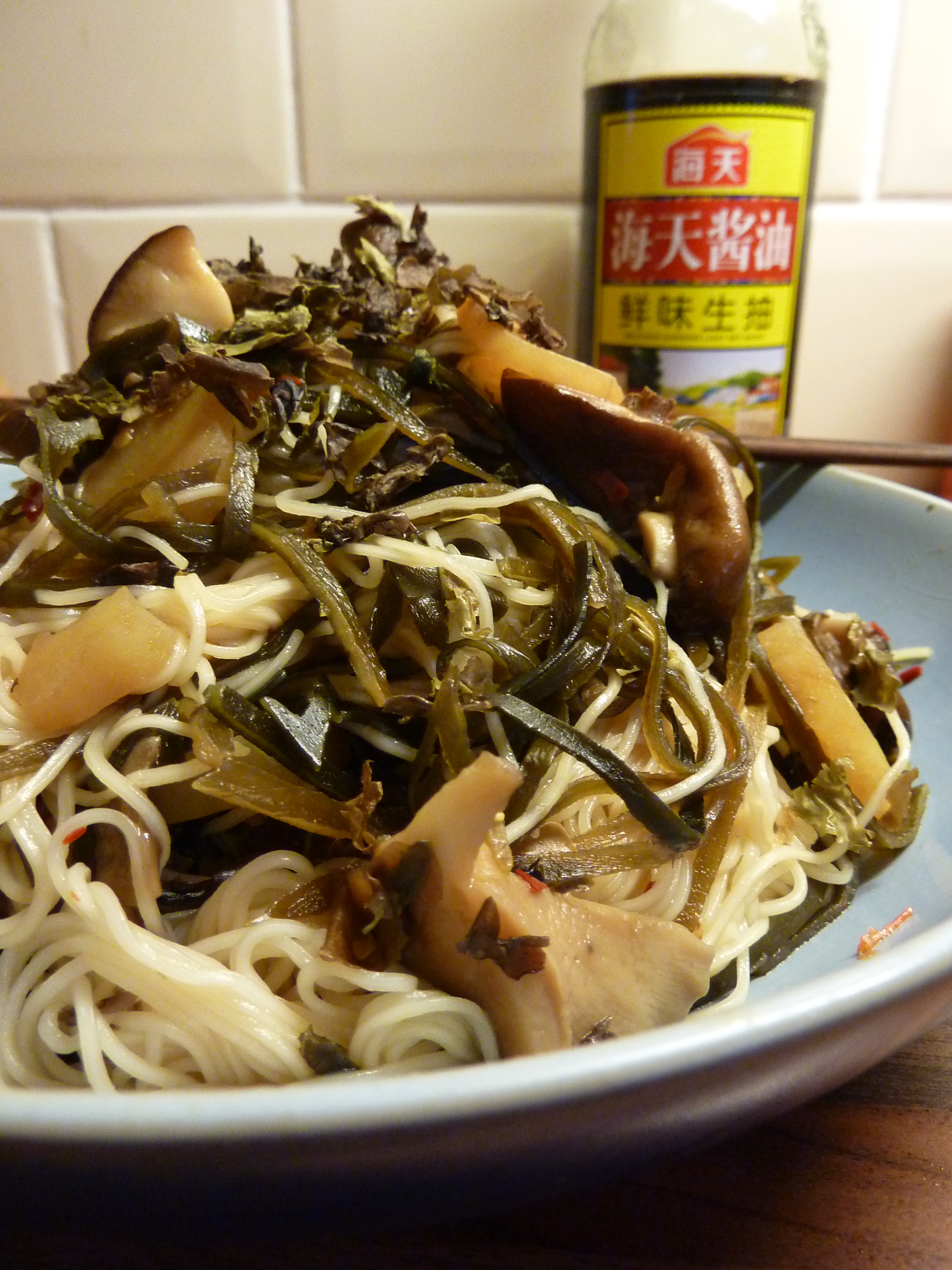


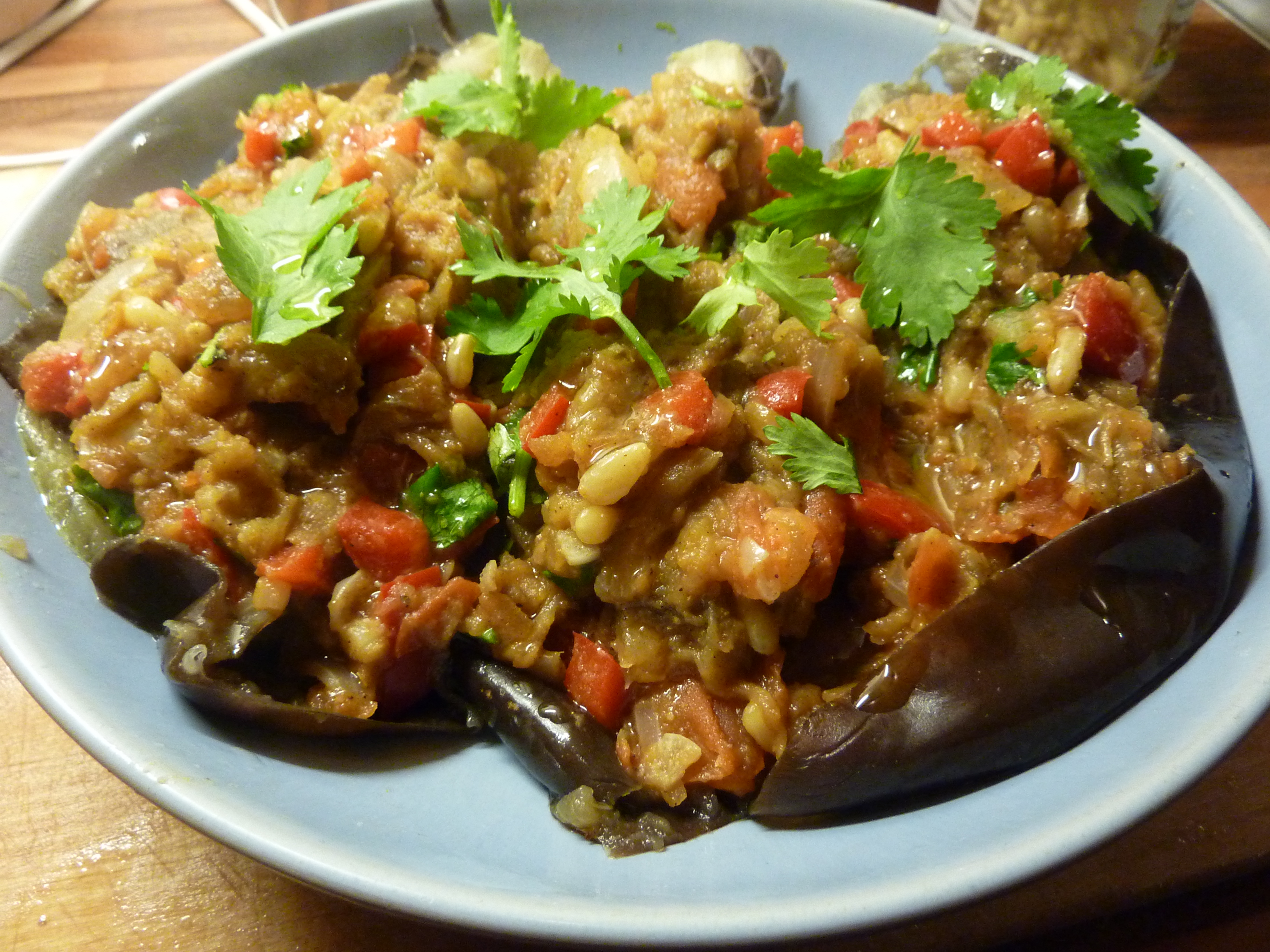


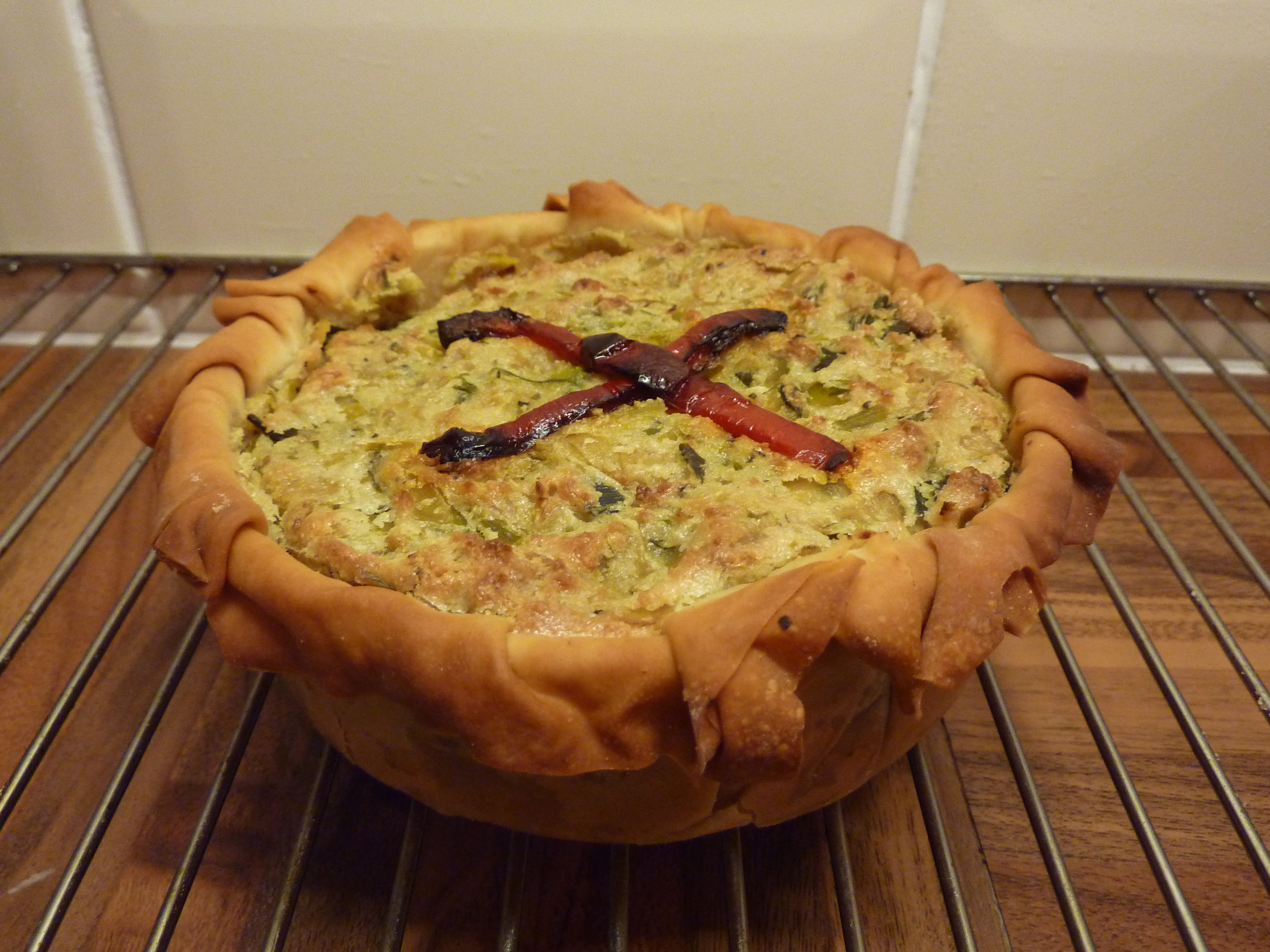


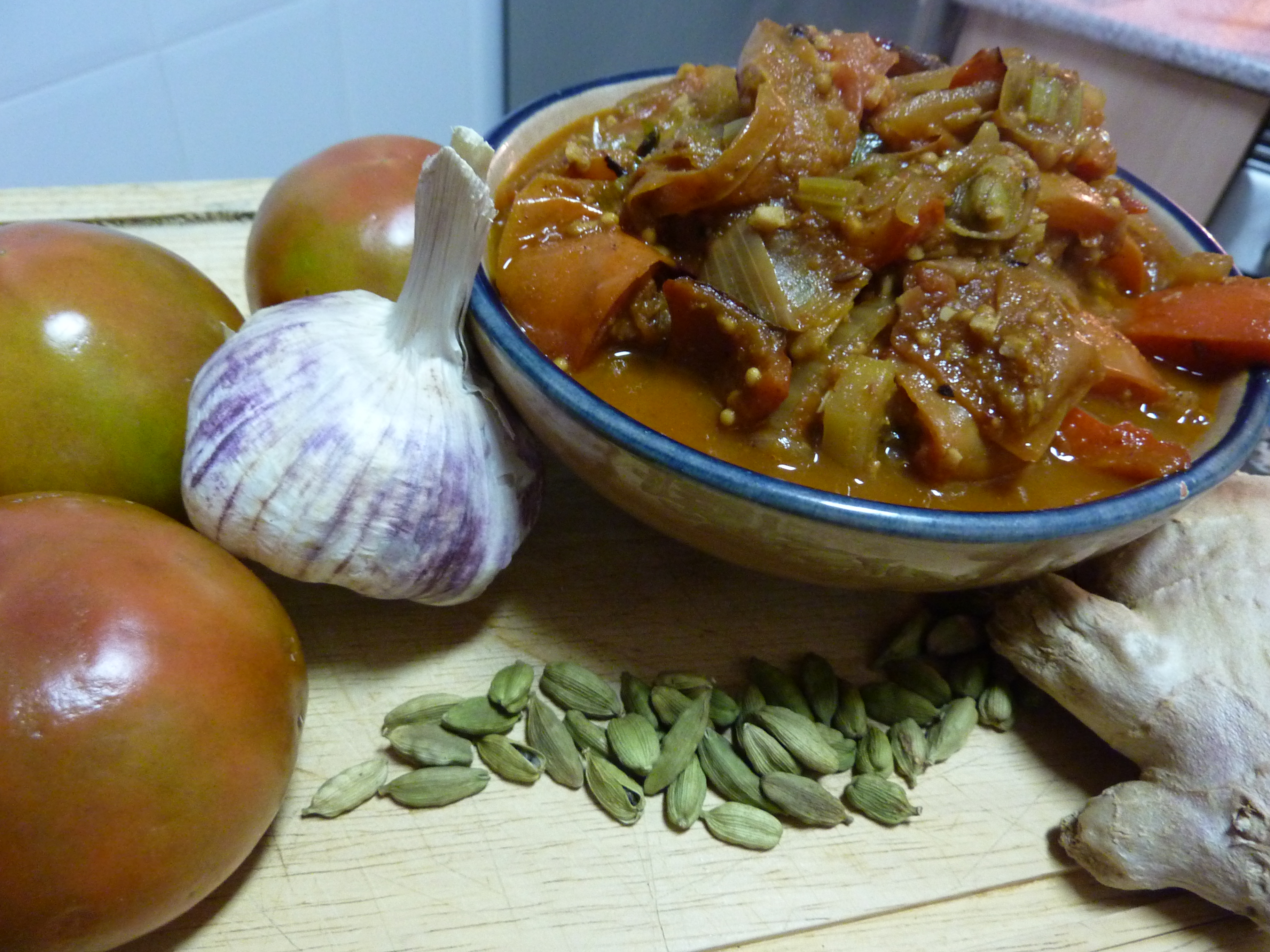

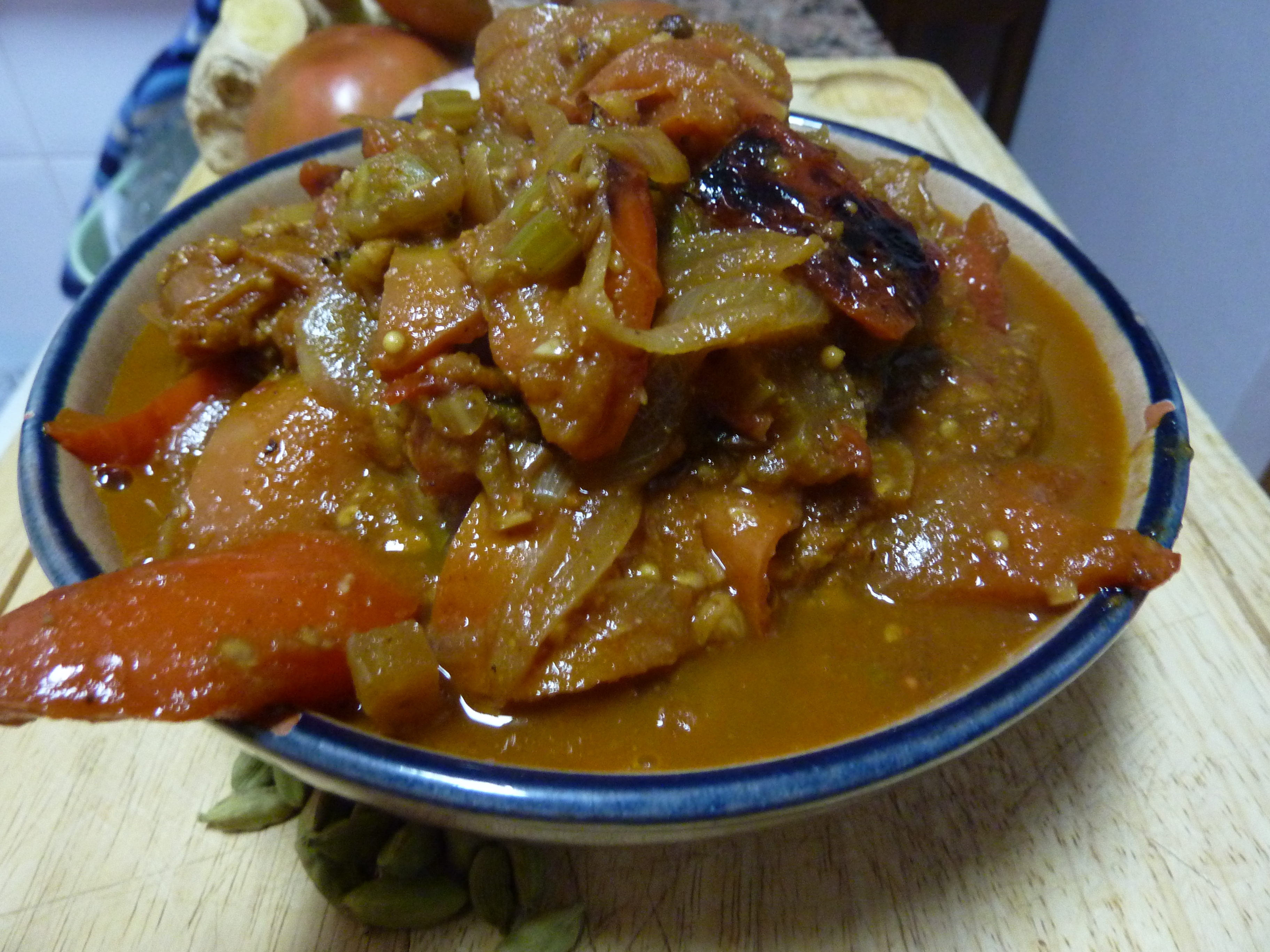




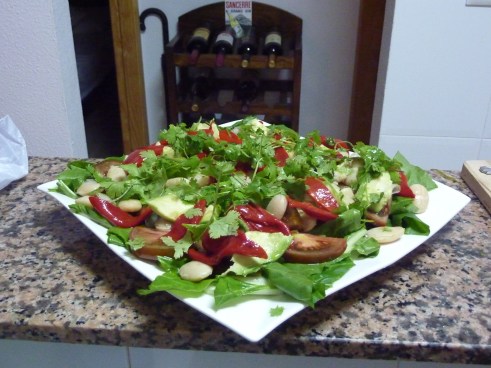
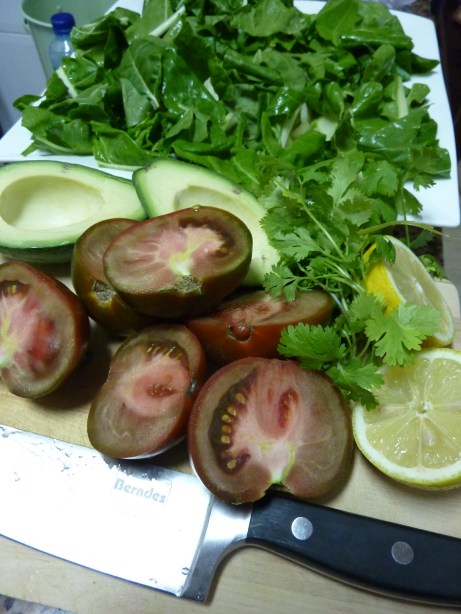


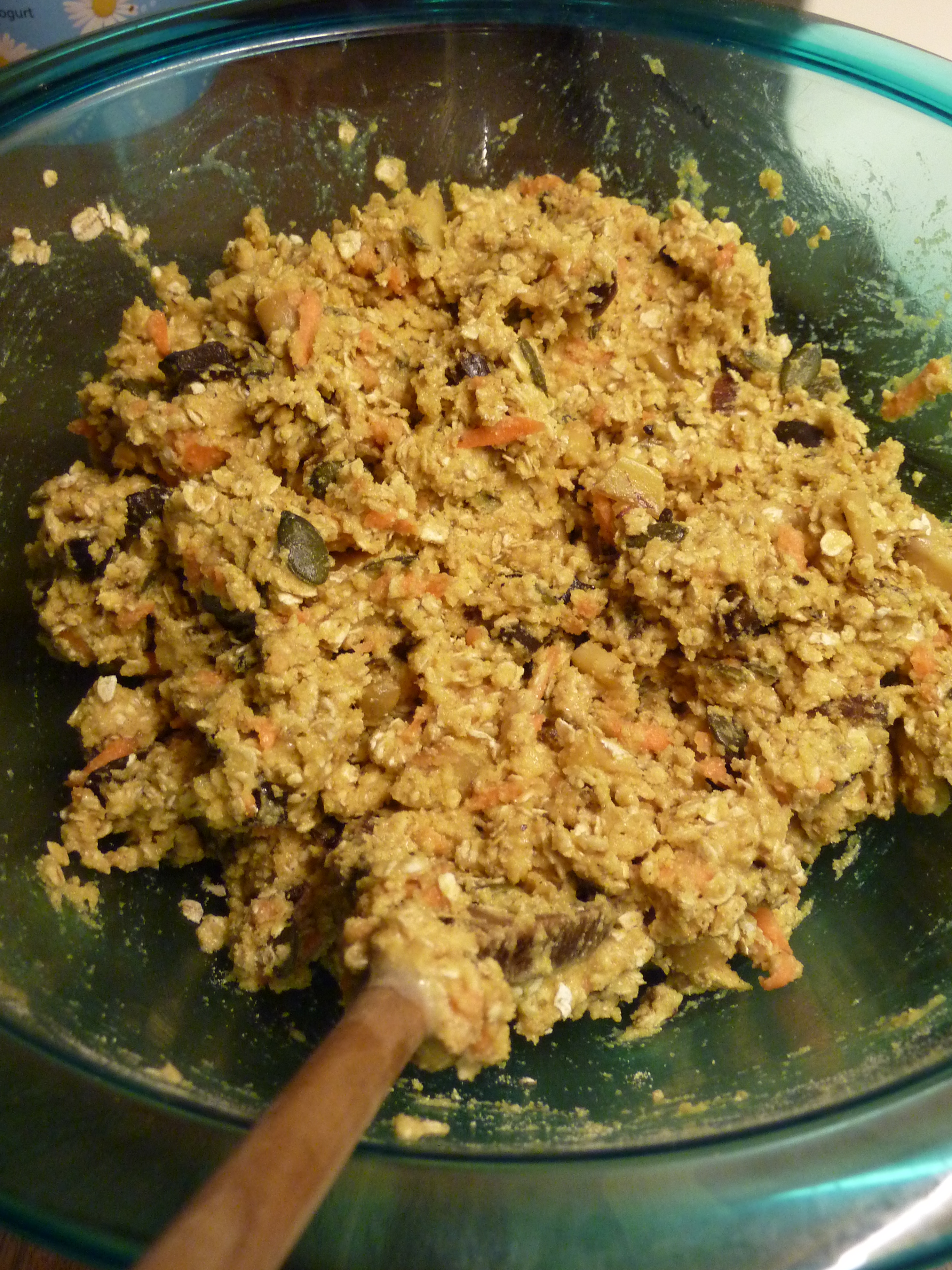
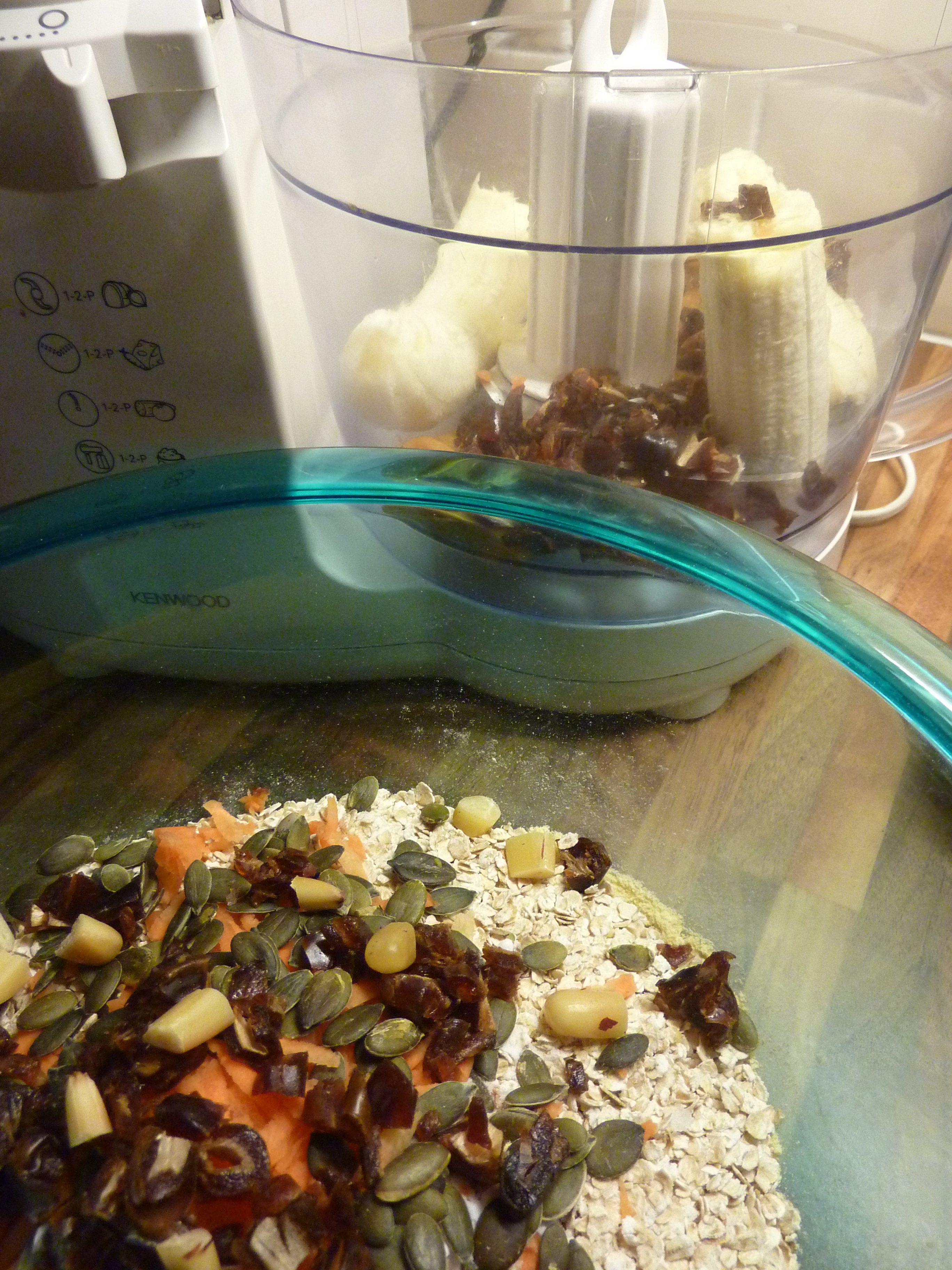


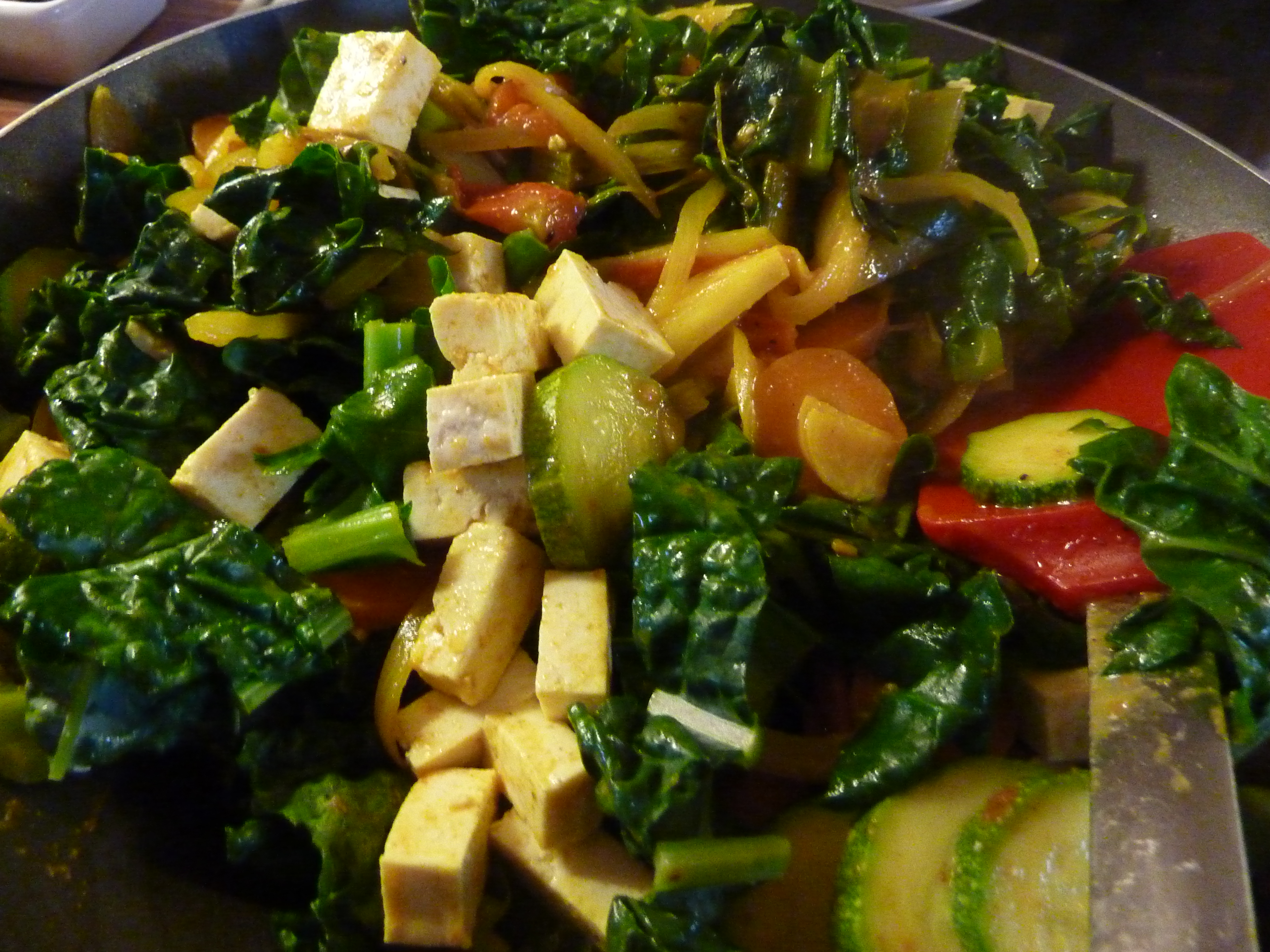

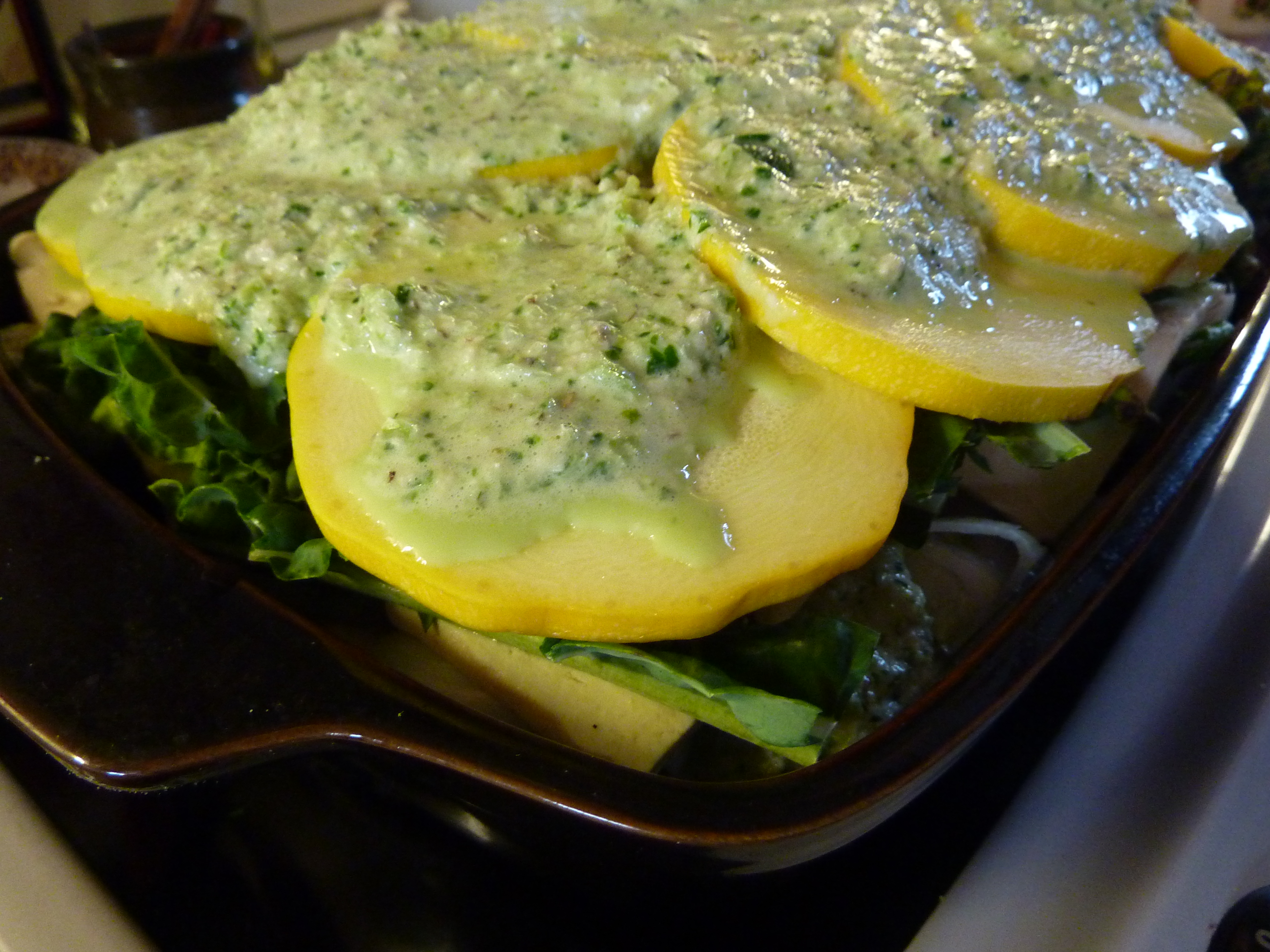
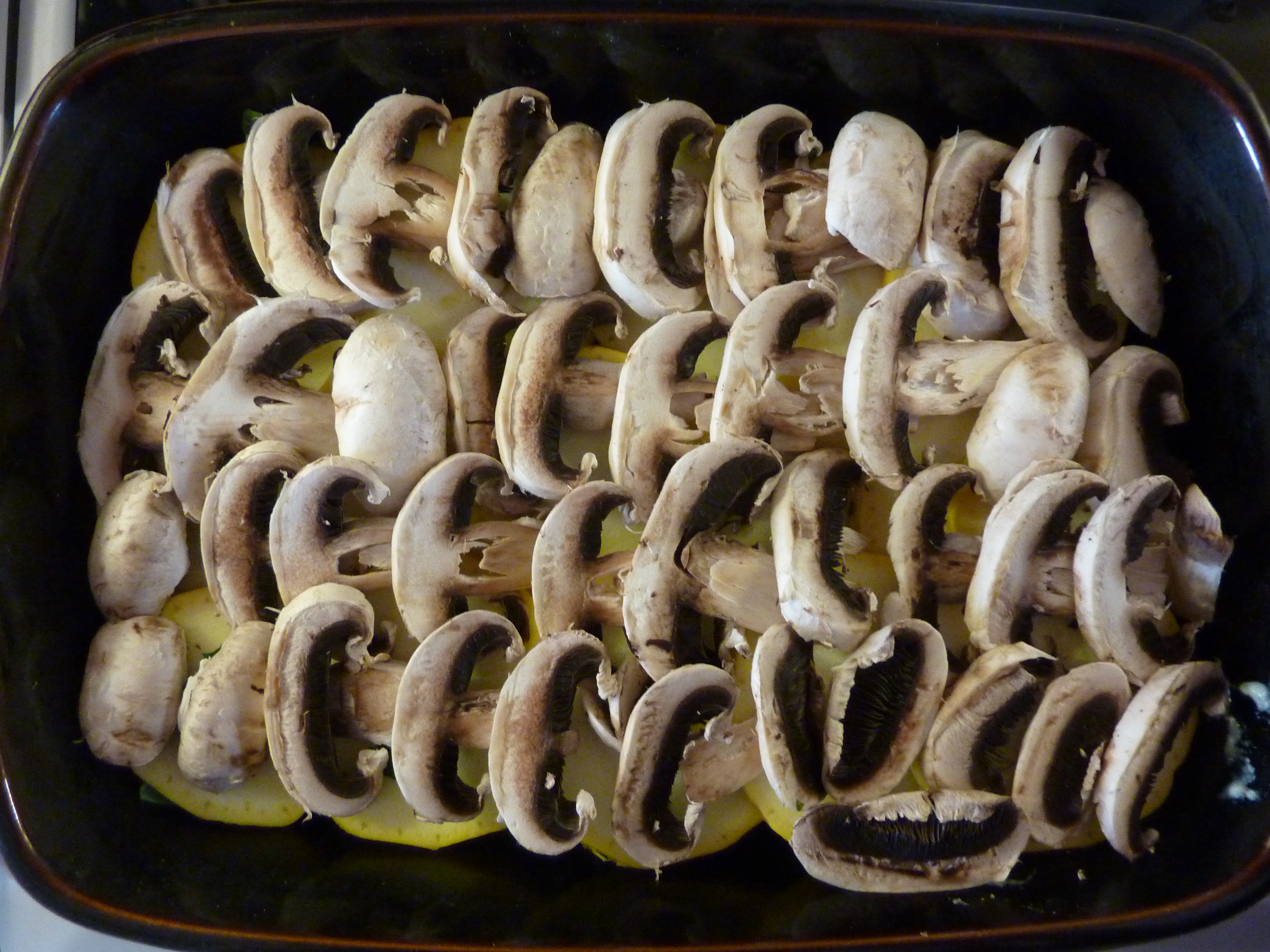
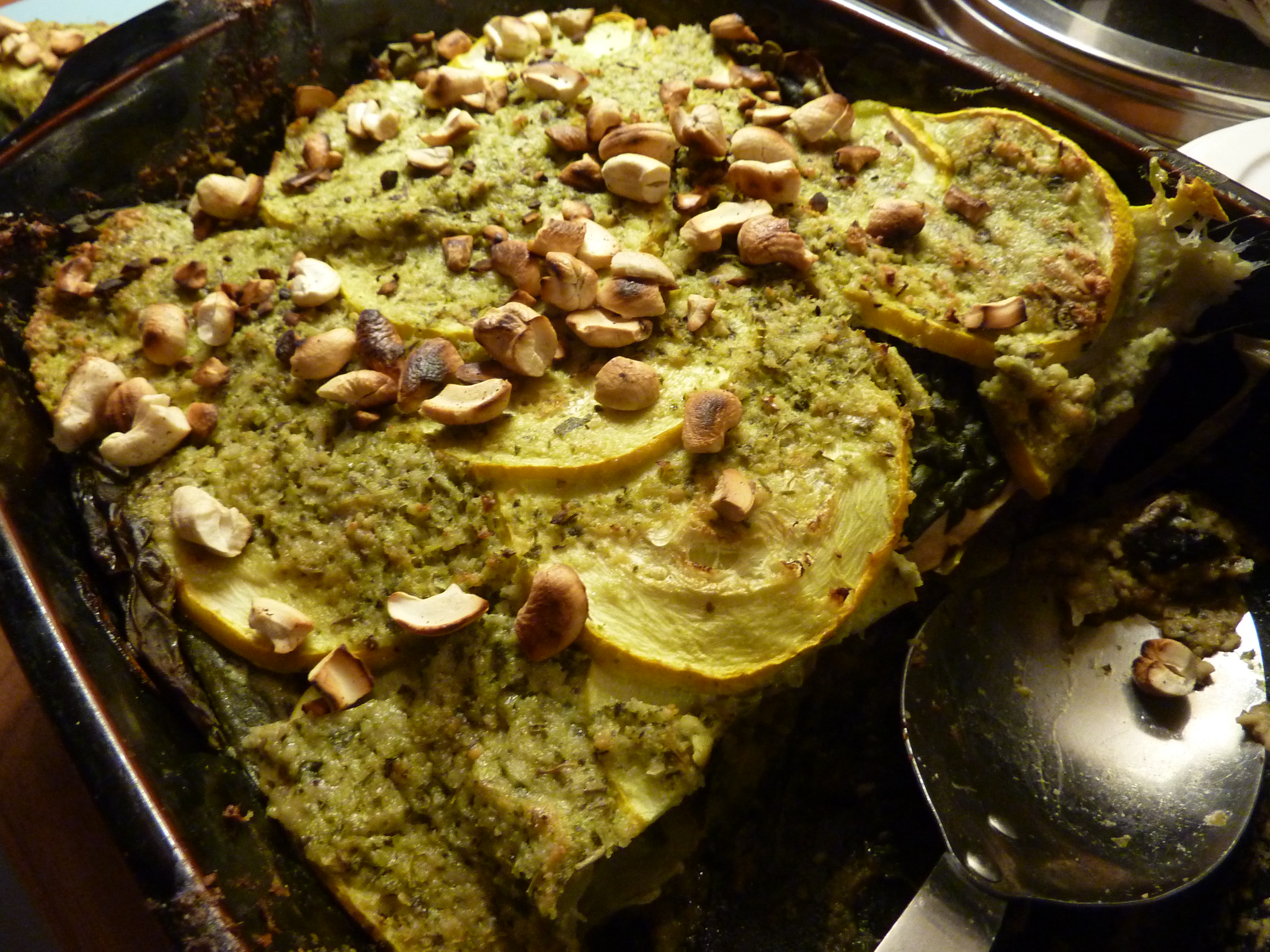
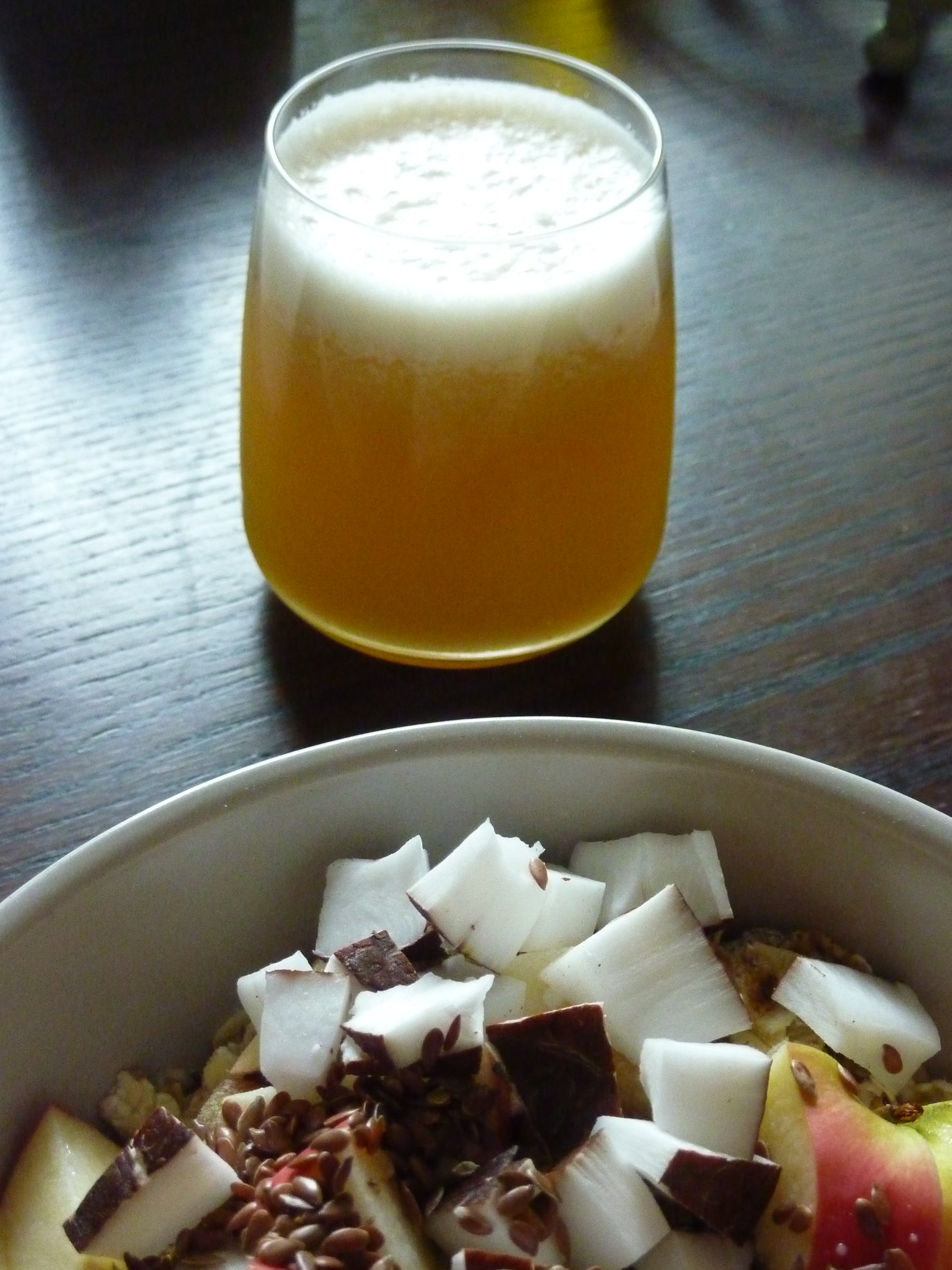


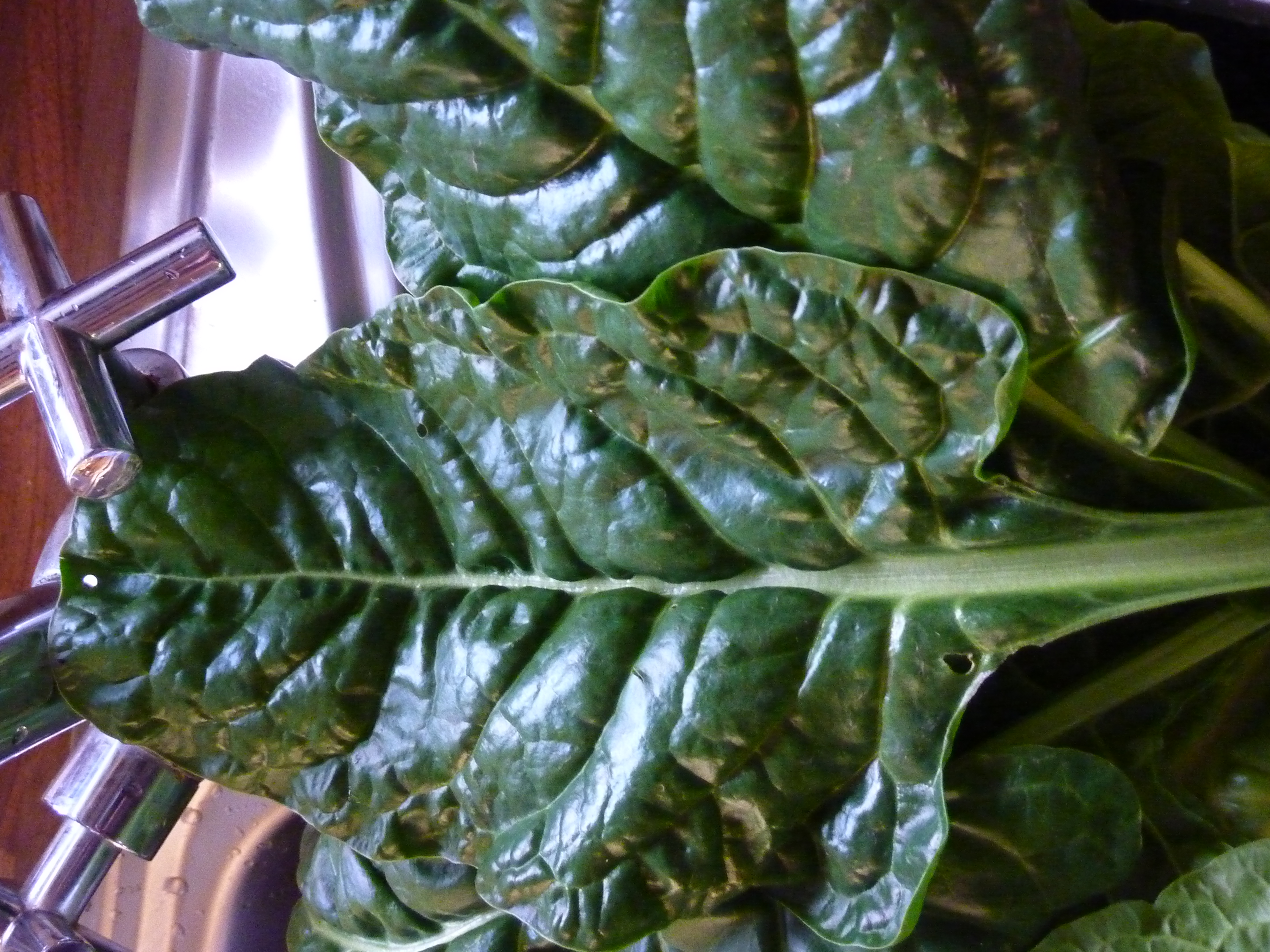


 This was amusingly extended to the use of Wild Carrot flowers and its feathery leaves and stalks to decorate their hair, hats, sleeves, dresses and coats. The lacy green foliage was especially fashionable during the autumn months when the leaves took on a reddish coloration.”
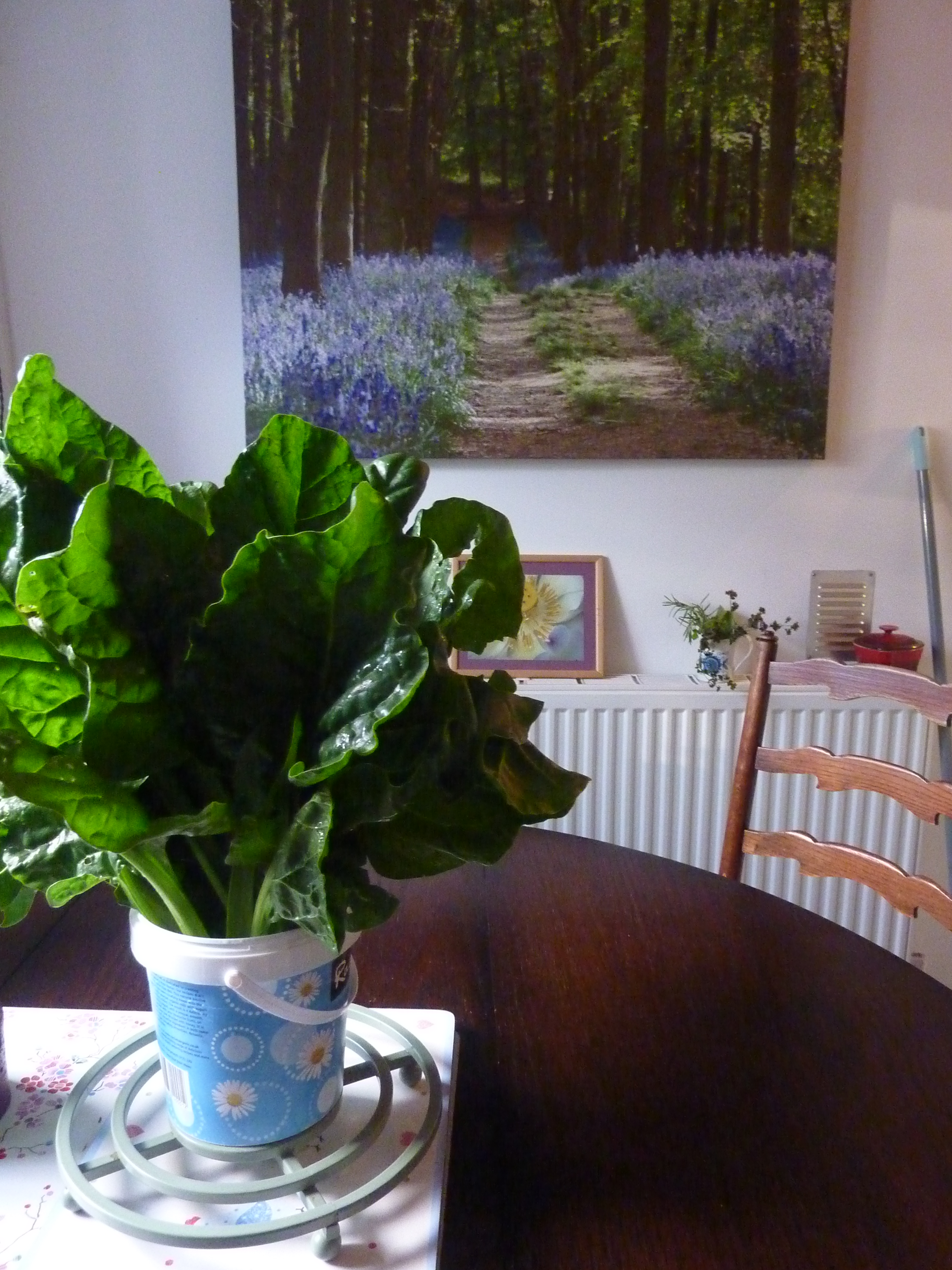
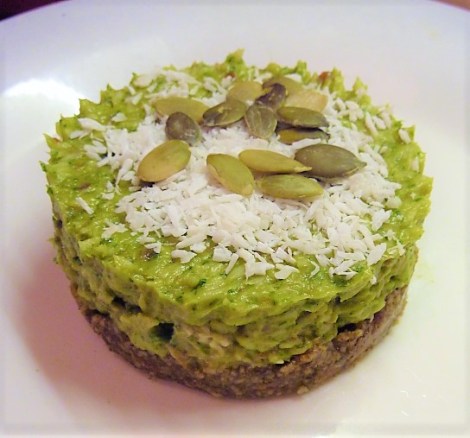
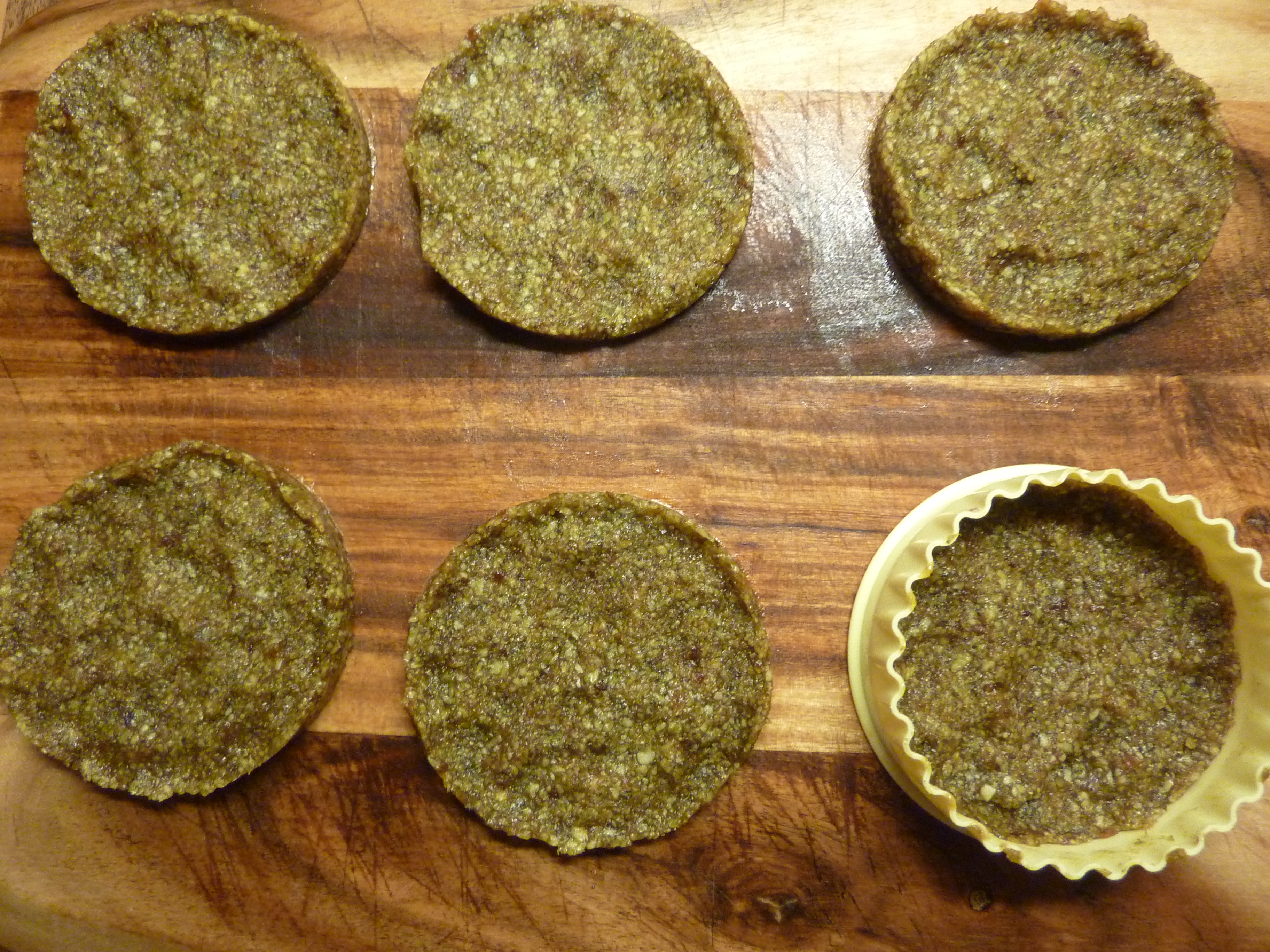


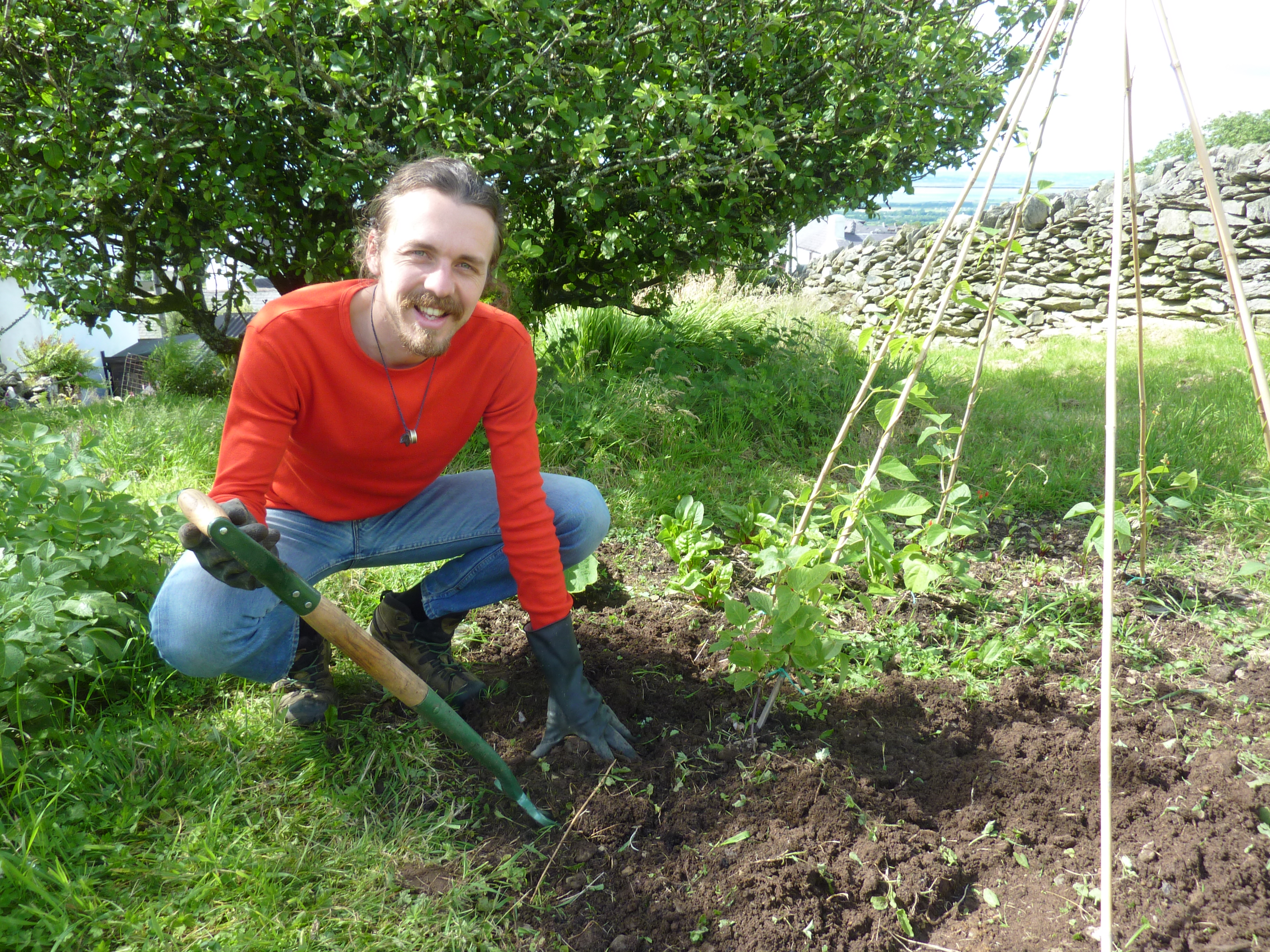
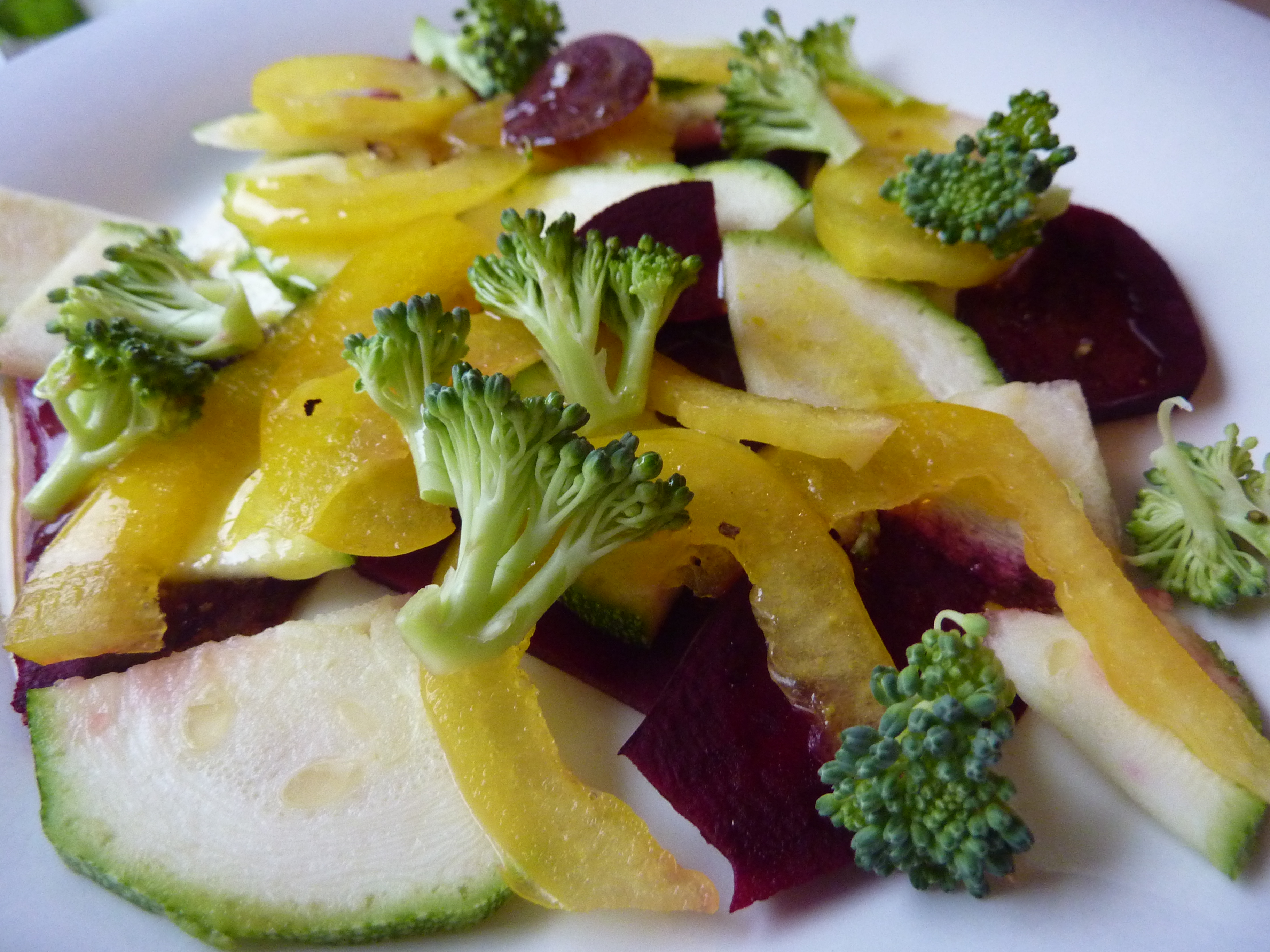





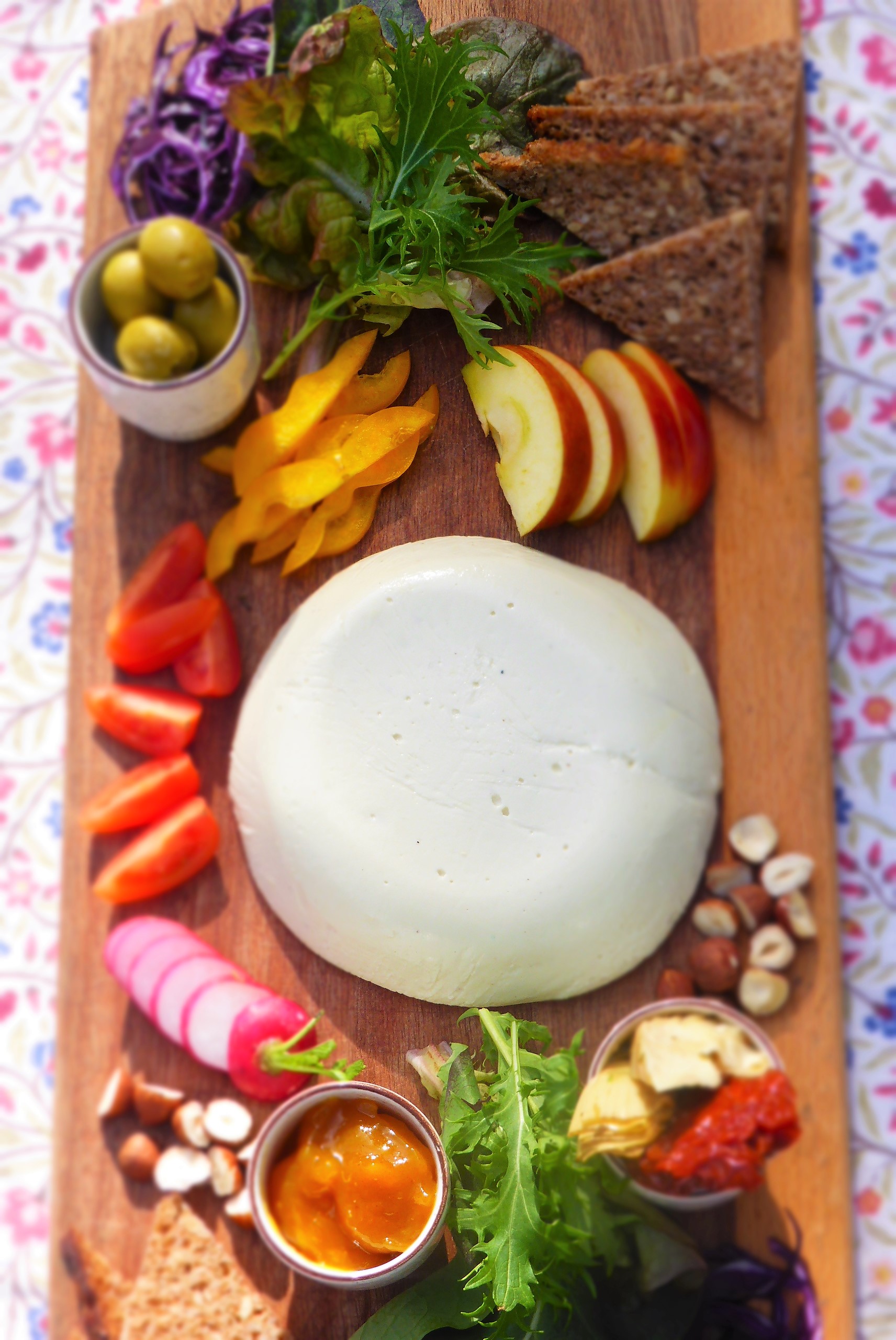

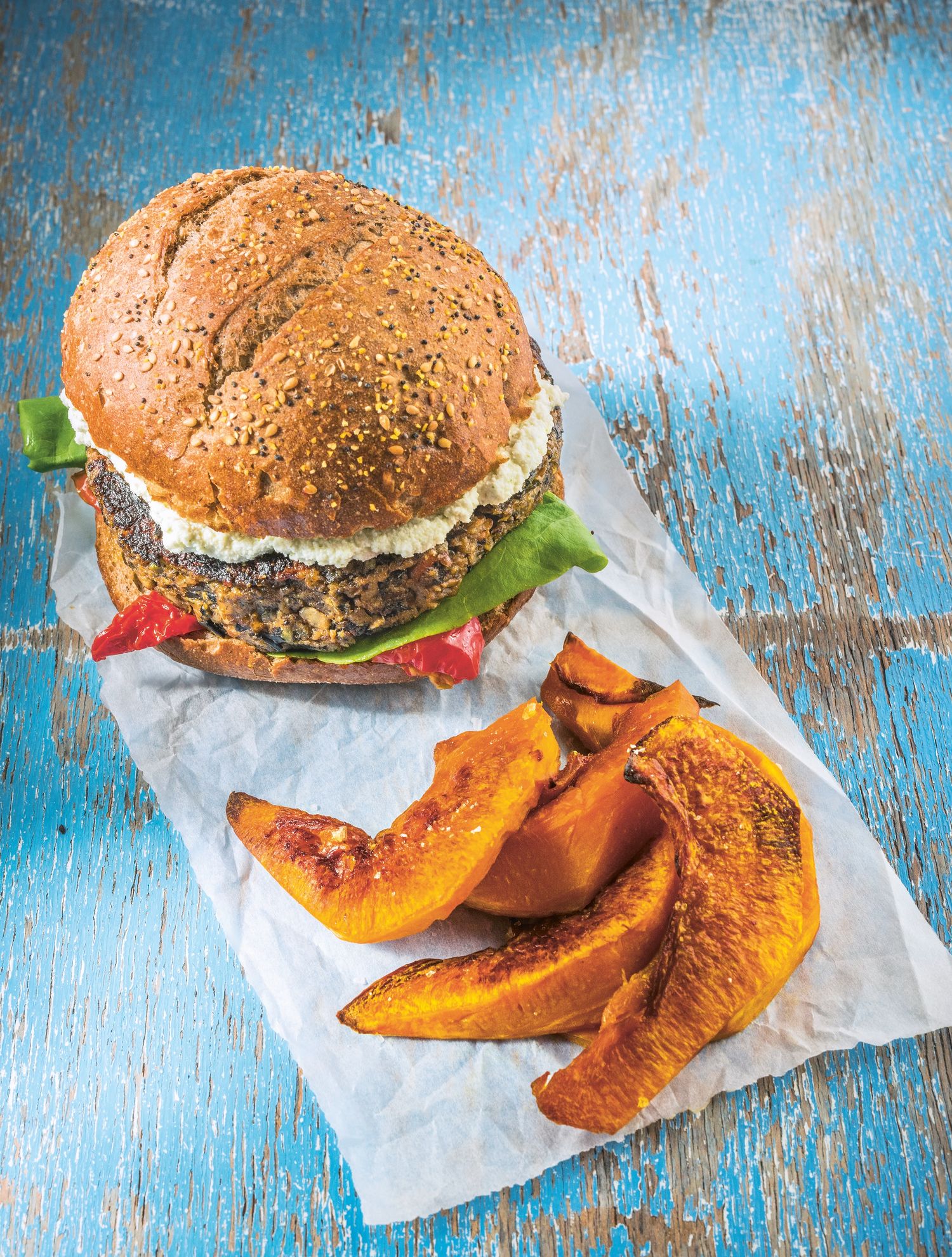



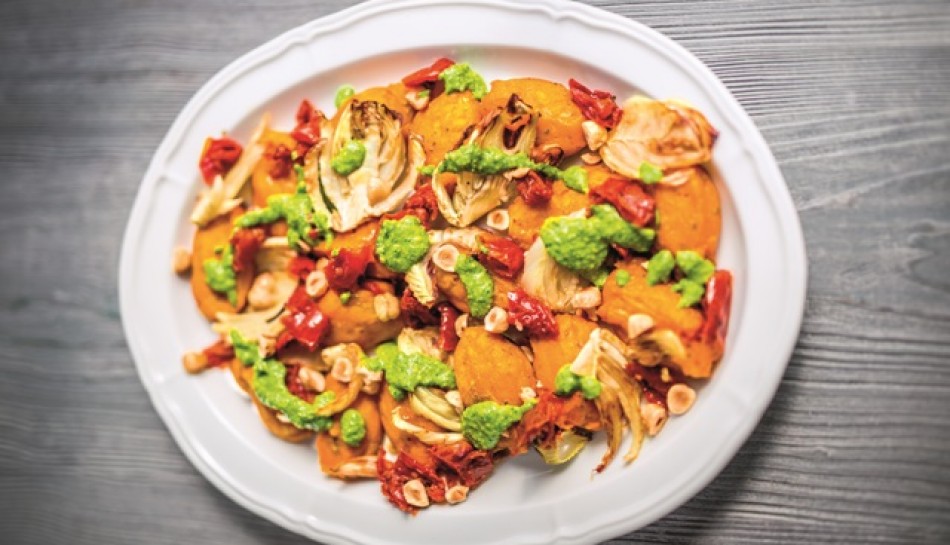
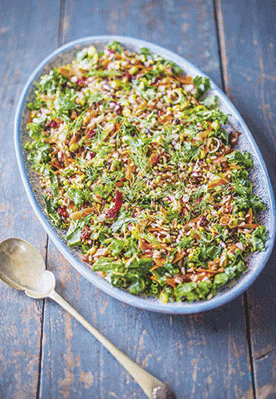


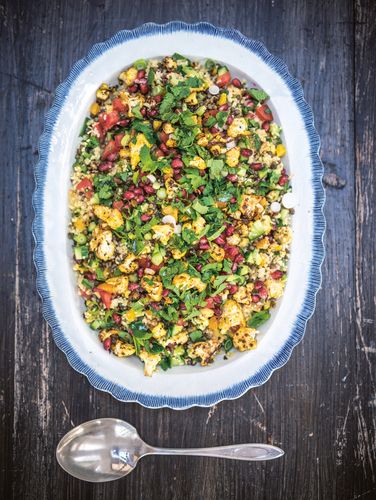

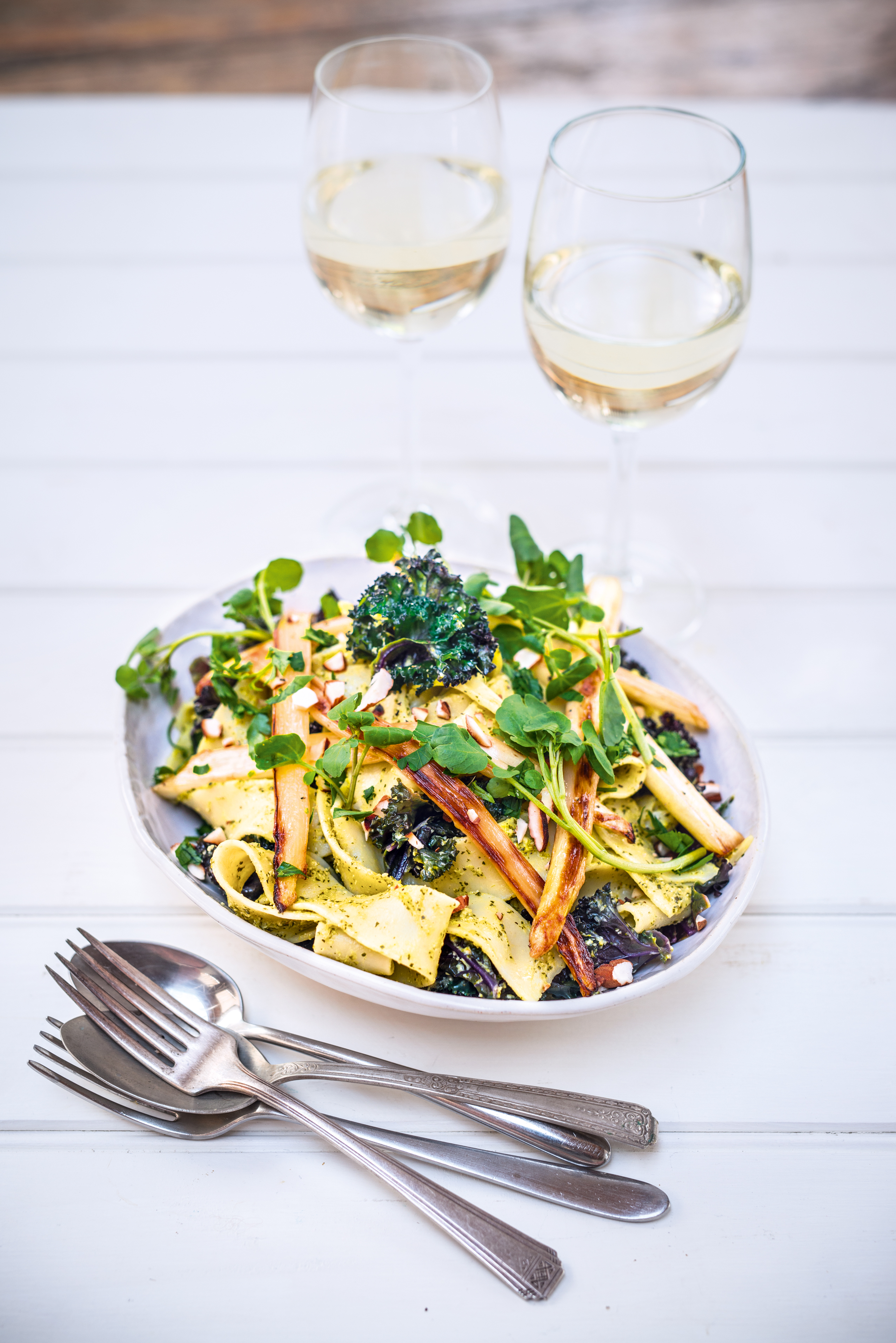


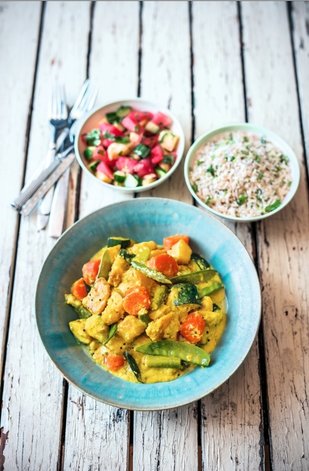
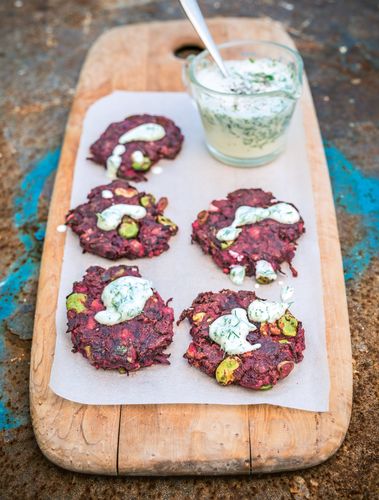
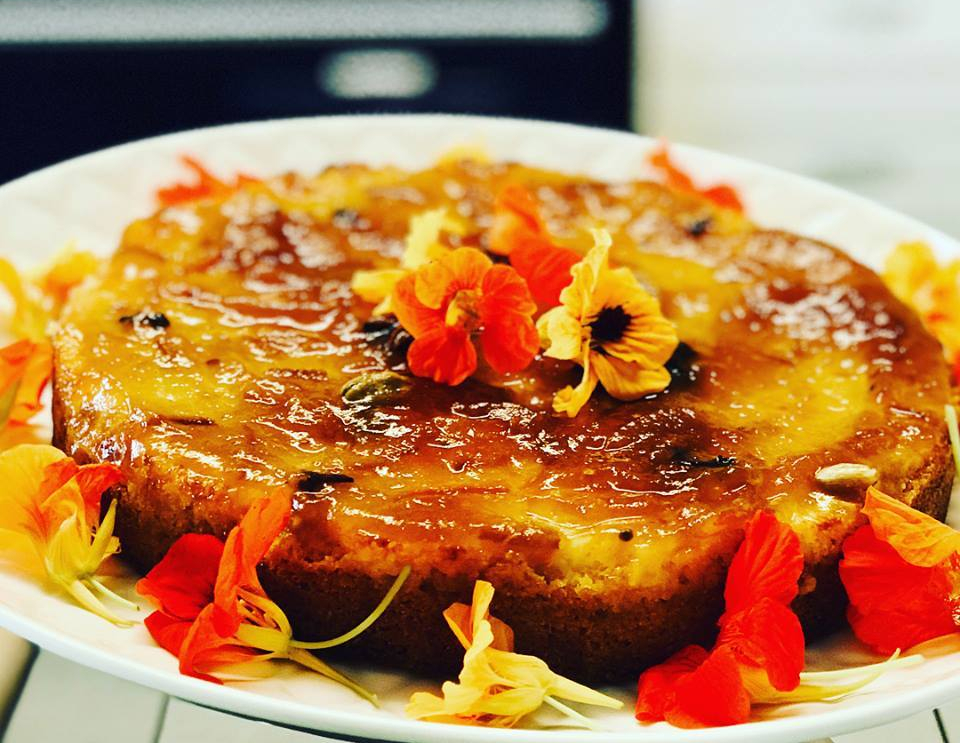
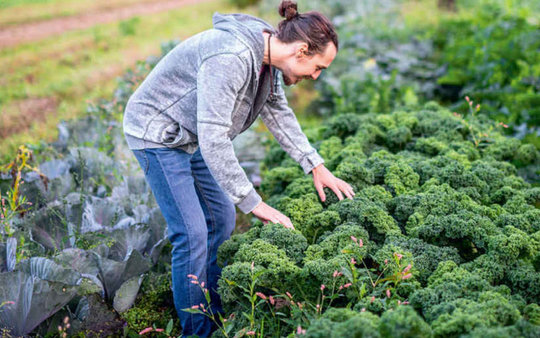


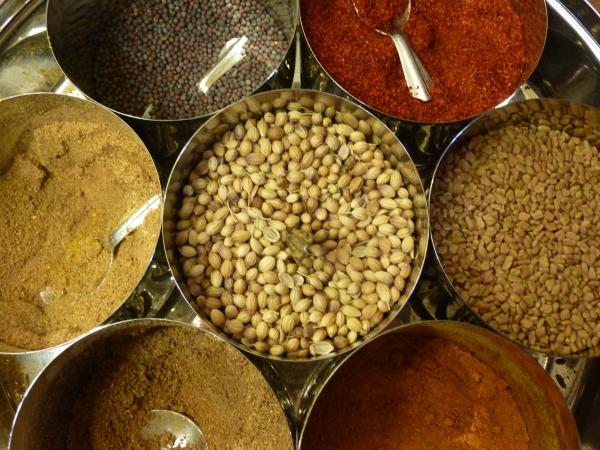




 beach house kitchen