
Beat those dark winter nights. Blow away those frosty morning blues. Hah! These foods give your body a super kick and are packed full of a feel good vibes. Spring is getting closer, but these beauties will help you across the dark season finish line.
Everybody seems to love a ‘Top 10’. So surely a ‘Top 15’ is better?! I was looking into healthy eating and came across several sites claiming to have the definitive selection of ‘Top 10 Superfoods’. I don’t know who or when the term ‘Superfood’ was created, but I like it. It simply suggests food that is super packed full of goodness.
Superfoods come into their own in the busy modern world, when we don’t always have time to prepare meals. They can be grabbed and munched, giving a nutritious boost. This is especially important during winter when the sun retreats early and the cold can chill you to the bone. It’s a strenuous time for body and mind.
I’ve compiled my own Winter ‘Top 15’ (better than 10) below. The criteria are simple. Is it tasty? Is it also super healthy? Do we eat it regularly? Is it local(ish) and seasonal? I haven’t added things like spirulina, goji berries, wheatgrass etc, although they are very healthy they don’t have the delicious-ness. They are just not your everyday hero.
Our selection will inevitably change towards summer, expect another instalment.
All of these contenders are packed with goodness and if eaten with other healthy bits and some regular exercise, will keep you shining all winter.
15) Red Wine – Dodgy start you may say. Well yes and no. I’ve managed to stem the tide of wine in recent years. Everything in moderation. Grapes provide vitamin C, vitamin B1 and vitamin B6–red grapes also contain powerful phytochemicals (especially phenolics) that may help decrease risk of cardiovascular disease. These compounds are housed mostly in the skin of the red grapes, which gives red wine its colour. Resveratrol, found in the skins of red fruits has been shown to have anti-oxidant, anticancer, and anti-inflammatory activity.

14) Green tea – Not exactly a local crop, but this brew has a serious ‘feel good’ effect in the mornings. Green tea contains polyphenols, which may reduce heart disease, cancer and stroke risk. Green tea also supports brain health and memory, likely due a key compound in green tea called EGCG (epigallocatechin gallate), a flavonoid. EGCG is thought to boost the immune system and prevent tumors. Aim for at least two cups daily.
12) Whole grains (whole wheat, barley) – Bread and beer, not healthy really, but ever so British. Two of the myriad of uses for the humble, yet essential whole grain. Whole grains help stabilize blood sugar and insulin and may protect against heart disease. They include all three parts of a grain kernel: the bran, germ and endosperm. Whole wheat flour, brown rice and barley are all whole grain foods. Look for the words “whole grain” on the label, and the word “whole” immediately before the name of the grain in the list of ingredients. Contrary to popular perception, the benefits of whole grains go well beyond fiber and fiber’s role in digestive health. Whole grains contain vitamins B and E; the minerals magnesium, selenium and zinc; phytonutrients; that appear to work together in powerful ways.

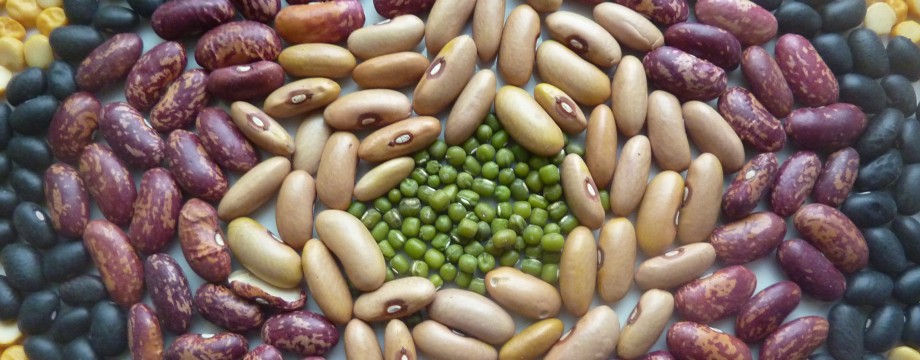
Panamanian Bean Mix (Good name for a band)
11) Beans – A staple. Anybody who knows me, understands my passion for these little beauties. A fabulous source of vegetarian protein and fibre, two nutrients that help you stay full and satisfied. Important to feel fully sustained in winter. The protein and fibre in beans also tempers the rise in blood sugar that occurs after a meal, which can help stabilize mood. The fibre in beans helps keep you regular. Beans are low in fat and a good source of magnesium and potassium, nutrients that work together to lower blood pressure and keep your heart and blood vessels healthy. Added bean bonus: They’re cheap and when growing add vital nitrogen back to the soil.
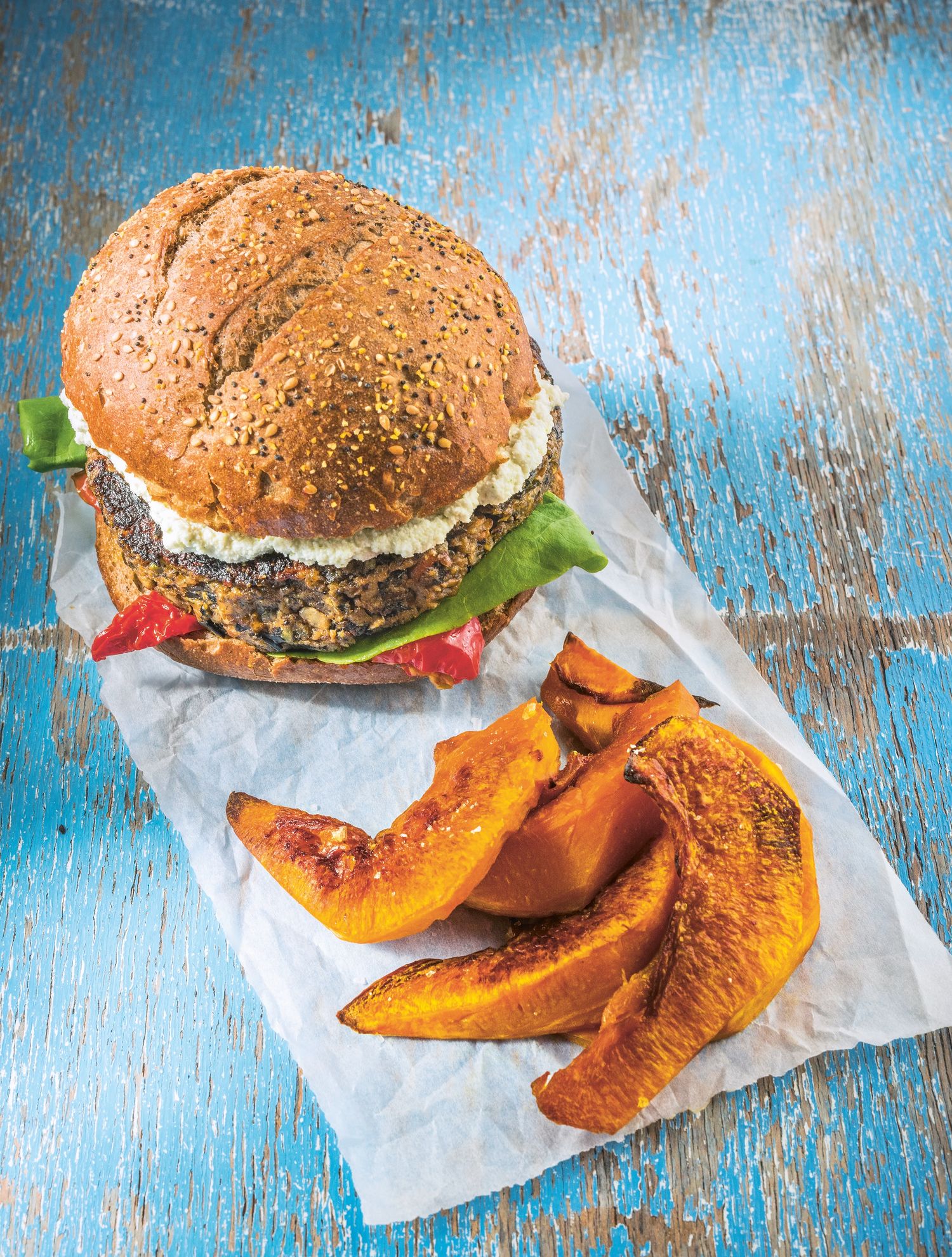
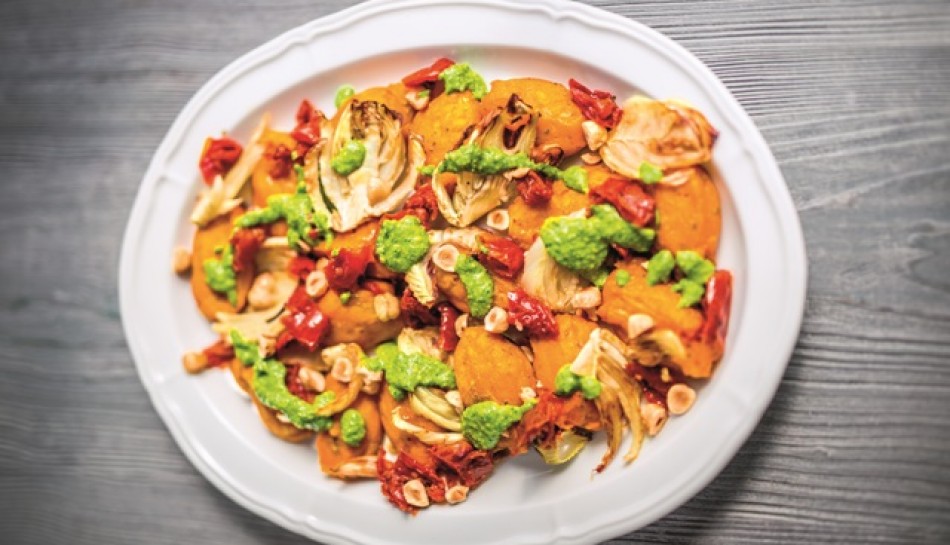
10) Pumpkin – Orange veggies are all loaded with Vitamin A, vital in the winter when the sun is so shy. We are lucky to have two different varieties growing locally to give us some variety. Pumpkin is loaded with nutrients that will help your heart, bones, eyes, and skin shining. Beta-carotene and potassium are the two standouts here: Beta-carotene is an antioxidant that helps rejuvenate skin, protect your vision, and may even reduce risk of arthritis. Potassium is a mineral involved in lowering blood pressure and maintaining healthy bones. There is nothing sweeter than a well roasted pumpkin?

9) Oats – Are technically whole grains, but get their own section in these parts. Britain, this windswept little island, has been fuelled on the stuff since early man first landed here. I don’t think any food better sums up our predicament and history. The oats in porridge acts as central heating for your body, one bowl in the morning and you’ll be simmering all day. Eating oats is good for those with high cholesterol. Whole grain oats are one of the best sources of soluble fibre, which, in addition to lowering cholesterol, helps keep blood sugar levels under control. No peaks and troughs, just plain sailing.
8) Olive oil – Reminds me of my other home in Spain. My heart generally resides there, as my body does the rounds. The freshly pressed oils of Murcia are hard to come by here, but with our uber consumerist ways, good olive oil is easy to find. One of the best types of fat you can opt for in your diet. Olive oil helps to protect against heart disease and cancer. Recent research shows that heart-attack survivors on a Mediterranean diet had half the death rates of those on an ordinary low-fat diet. Nice to know. Spaniards do eat a lot of fish, which keeps them healthy, but normally drink like one too. However olive oil is also high in antioxidant activity. Is there nothing this golden amritar is not capable of?!
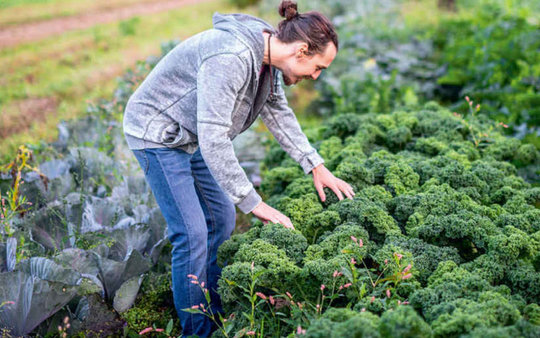
7) Crucifers (broccoli, kale, cabbage) – This family thrives around here. They are so tasty and versatile. Trigonos (our organic veg farm) grows the finest red cabbage and kale imaginable. In fact, all of their vegetables are rather special. Cruciferous vegetables contain indole alkaloids that may help prevent the big C. They are high in fibre, antioxidants, vitamins and minerals. Foods from the cruciferous and cabbage family (including broccoli, cabbage, kale, cauliflower, Brussels sprouts, collards and turnips) may help bolster memory as you age. Something I need help with right now!
6) Tomatoes – Grown in a local poly-tunnel. We are so blessed to be surrounded by die hard green fingers. These wonderful orbs contain lycopene, a powerful antioxidant shown to help stimulate the immune system and protect from certain cancers, especially prostate. Lycopene is more highly concentrated in cooked tomato products including tomato paste, passata or tomato sauce.
5) NUTS (Walnuts, almonds, hazelnuts, pine nuts, macadamia nuts, cashews etcetc)Generally, limit yourself to a handful of nuts per day. But what a handful! Nuts are so precious. They are not local, but are one of our favourite treats. Adding a dose of almonds daily helps the intake of key nutrients, lowering the intake of dietary detractors like trans fats, excessive sodium, sugars and cholesterol. Eating nuts may help protect against heart disease and inflammation, enjoying 11 walnuts daily reduces total cholesterol by up to 4 percent. Walnuts also look like a brain, so are good for your brain (Ayuvedic wisdom). They are a rich source of heart-healthy omega-3 fatty acids, as well as a compound called ellagic acid that has been shown to reduce artery-forming plaque. Love NUTS!
4) Leeks – It goes without saying that this gorgeous Allium would crop up. We are in Wales after all. Regardless of that fact, leeks are one of my favourite vegetables. Packed with flavour, vitamins, minerals and flavanoid anti-oxidants. They are low in calories and contain both soluble and in-soluble fibre. They contain lots of folic acid, essential in DNA synthesis and cell division. Vitamin wise the are packed with A (hooray) and C, which not only protects against infections, but also harmful free radicals. Wear your leeks with pride! So much tastier than a rose (not to mention a thistle).

3) The Cuppa (Tea) – Another tea? Why not! The elixir of the B.H.K. Without it, we’d be lost and flaccid. The caffeine content in tea is useful for stimulating alertness, mood and motivation, but is also a rich source of the antioxidant called catechins. Studies suggest that catechins protect the artery walls against the damage that causes heart disease and prevents the formation of blood clots. It also does wonders for the spirit on a dark winters day. Avoid drinking too much milk, try a slice of lemon or drink good quality tea black. It’s one of those things that will grow on you.
2) Dark Chocolate – The finest of news. Believe it or not, chocolate is a healthy treat, as long as you choose wisely. Dark chocolate is rich in flavonoids, antioxidants that have been shown to lower blood pressure, improve blood flow, and boost overall heart health. Choose chocolate that is at least 70 percent cacao or cocoa to optimize the antioxidant power and health benefits. Dark chocolate may even boost your mood. The rich taste and sensuous mouth-feel of a decadent piece of dark chocolate may be to thank (remember the Flae advert Brits). Just don’t eat a whole bar. Our favourite is Green and Blacks.
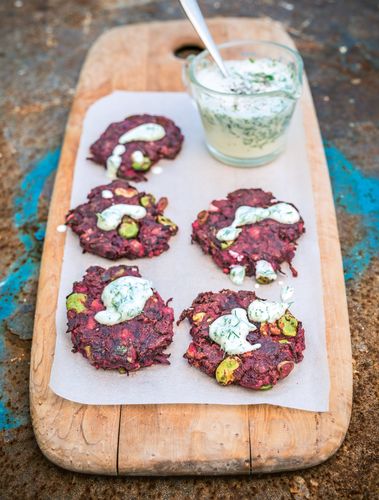
1) Beetroot (or beta vulgaris) – King Crimson! The dark purple avenger! Anything that comes out of the dark soil this colour, is bound to be packed full of good. The pigment that gives beets their super-beautiful fuschia depth (betacyanin) is a powerful cancer-fighting agent. Beets’ potential effectiveness against colon cancer, in particular, has been demonstrated in several studies. Beets are also particularly rich in the B vitamin folate (see above) and the mighty vitamin C. If you’re lucky enough, use the leaves. They are higher in vitamin A and anitoxidants than the root. We roast them up, put them in cakes, pickles, pies…..They add amazing hues of purples and pinks to anything they touch (including your chopping board) and generally brighten up any day. Truly our winter king.
So Beetroot is the winner. What drama! I wonder who it will be in the summer (strawberries).
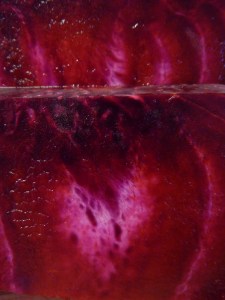
Heart of the 'root
















 beach house kitchen